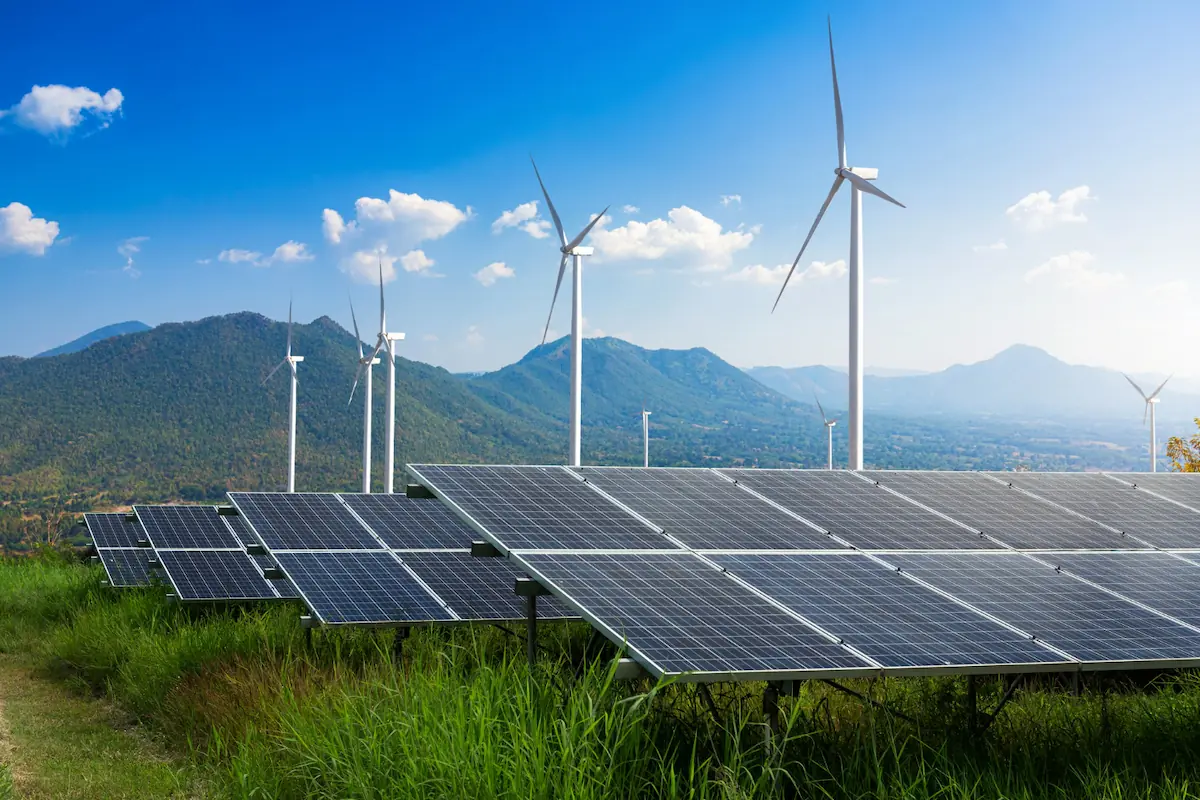
The energy that sustains life can actually come from the natural resources around us. The shining sun, the blowing wind, and even the water flowing in rivers all store energy that can be harnessed for various needs.
These various natural resources can be harnessed through green energy as a sustainable energy source.
Want to know more about green energy? To understand it better, take a closer look at the information below!
What Is Green Energy?
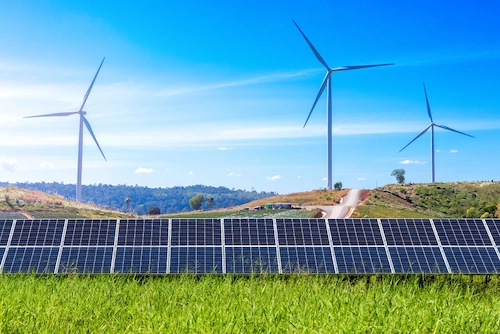
Imagine if our daily electricity needs could be met by utilizing energy sources from nature. This is one concept associated with green energy.
Simply put, green energy is energy derived from natural resources that are naturally renewable and have a relatively lower environmental impact during the utilization process.
Unlike energy sources with limited quantities, green energy utilizes resources that are continuously available through natural cycles. However, not all renewable energy automatically qualifies as green energy.
Renewable energy refers to energy sources that can be naturally replenished, while green energy considers the environmental impact of their use. Thus, green energy is a subset of renewable energy that offers greater environmental benefits.
For example, hydroelectric power plants (Pembangkit Listrik Tenaga Air/PLTA) are a renewable energy source, but large-scale plants can affect ecosystems, fisheries, and land use. In this context, low-impact hydroelectric power plants can still be categorized as a green energy source.
Why Is the Green Energy Transition Important?
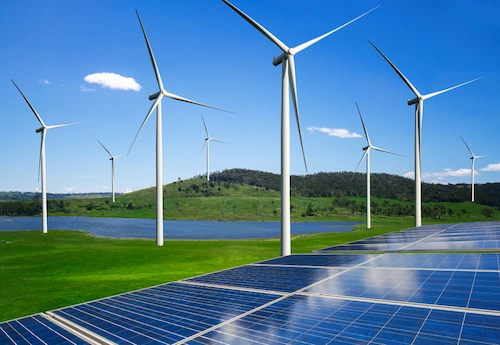
As the population grows, industries expand, and community activities increase, Indonesia’s energy demand continues to rise. These conditions are driving an ever-greater need for a more sustainable energy system.
According to the International Energy Agency (IEA), emissions from Indonesia’s energy sector have more than doubled over the past two decades, reaching approximately 600 million metric tons of CO₂ in 2021. This number shows that the energy sector plays a crucial role in efforts to reduce emissions and achieve Indonesia’s net-zero emissions target.
That makes the green energy transition a crucial step toward fostering a more sustainable energy system. Shifting from fossil-fuel-based energy sources to renewable energy can help reduce carbon emissions while improving environmental quality.
Apart from its environmental benefits, the green energy transition can also strengthen energy security and national economic independence.
By developing renewable energy sources such as solar, hydro, wind, and geothermal power, the country can utilize its natural potential to meet energy needs.
These efforts to develop renewable energy sources can also reduce dependence on foreign energy sources while opening opportunities for investment growth and the development of Indonesia’s energy industry.
Read also: Waste-to-Energy Power Plants: Mechanisms & Challenges
Examples of Green Energy
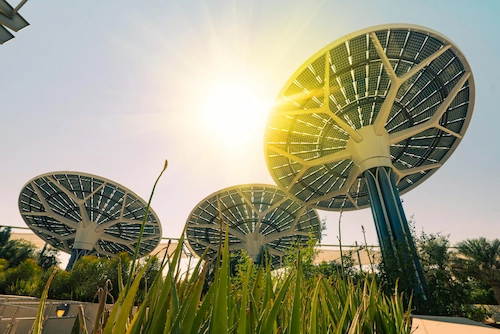
So, what exactly constitutes green energy? Various natural resources can be utilized as renewable energy sources. Here are a few examples:
Solar Energy
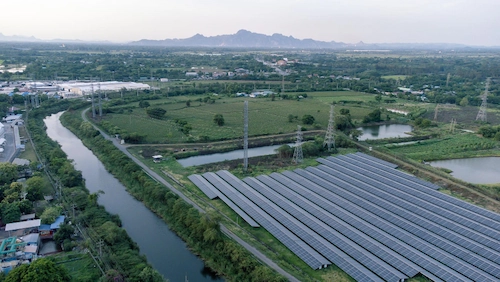
Solar energy harnesses sunlight to generate electricity and heat. One application of this technology is solar power plants (PLTS), which use solar panels to convert sunlight into electrical energy.
In everyday life, solar panels installed on rooftops can help meet household electricity needs, such as powering lights and operating electrical appliances. This rooftop solar power system is implemented at the household scale by installing panels on building roofs.
Hydropower
Hydropower harnesses flowing water to generate electricity. In hydroelectric power plants, for example, water flow drives turbines, which in turn rotate generators to produce electricity.
Through micro-hydro or pico-hydro power plants, the Ministry of Energy and Mineral Resources is working to utilize the flow of rivers, irrigation canals, or waterfalls to help communities near water sources, particularly in rural areas, meet their electricity needs, including lighting for houses and public facilities.
Geothermal Energy
Geothermal energy is energy derived from natural heat stored beneath the Earth’s surface. This heat generates steam, which drives turbines and generators to produce electricity.
According to 2025 data from the Ministry of Energy and Mineral Resources, Indonesia has enormous geothermal potential, estimated at approximately 23,742 megawatts (MW). Indonesia also ranks second globally in geothermal electricity production. This vast potential is supported by Indonesia’s geographical location along the Pacific Ring of Fire.
For communities living in areas with hot springs, geothermal energy can provide bathing facilities, hot springs, and spas. Additionally, geothermal energy can support the drying of agricultural products.
Bioenergy
Bioenergy is energy derived from organic materials or biomass. In Indonesia, bioenergy has great potential because of the country’s abundant biological resources from the agriculture, plantation, forestry, and livestock sectors.
These biomass types can be processed into energy sources that add value while supporting national energy diversification.
One example of household-scale bioenergy use is biogas for cooking. Biogas is produced from processed organic waste and is then used as fuel in biogas stoves.
Also worth reading: 6 Ways to Conserve Energy with A Sustainable Lifestyle
The Difference Between Green Energy, Clean Energy, and Renewable Energy
Surely, Warga Asri has heard the terms green energy, clean energy, and renewable energy, right? At first glance, the three do sound similar and are often used interchangeably. In reality, however, each has a different definition and focus. To avoid misunderstanding the three, check out the differences in the following table:
| Aspects | Green Energy | Clean Energy | Renewable Energy |
| Definition | Energy derived from renewable sources with relatively low environmental impact. | Energy that produces low levels of emissions or pollutants during its utilization. | Energy derived from natural resources that can be naturally replenished or renewed. |
| Main focus | Environmental sustainability and using more environmentally friendly energy sources. | Reducing emissions and pollution from energy production and consumption. | Long-term availability of energy sources. |
| Energy sources | Sun, wind, water, geothermal heat, and certain types of biomass. | May include renewable energy and other low-emission energy sources. | Sun, wind, water, geothermal energy, biomass, and other renewable sources. |
| Key considerations | Impact on the environment as a whole. | Levels of emissions and pollution generated. | The ability of energy sources to be naturally replenished. |
In short, renewable energy emphasizes the origin and renewability of energy sources, while clean energy emphasizes low emissions or pollution. Meanwhile, green energy covers sustainability and the environmental impact of energy use.
Let’s Move Together in #AksiAsri!
That concludes our overview of green energy, covering its definition, benefits, differences from clean energy and renewable energy, and examples of its applications. By learning more about green energy, you can understand the importance of supporting a more sustainable energy system for the future.
One simple step is to adopt a sustainable lifestyle, including choosing vehicles that run on more eco-friendly fuels. This small step can be part of a collective effort to support the energy transition while creating a greener environment.
If you want to take concrete action to care for the environment while expanding your network, you can join Indonesia Asri through various #AksiAsri programs.
There are many exciting #AksiAsri activities to join, such as Operasi Semut, which encourages you to sort your trash before disposal.
Now is your chance to play your part in keeping the environment safe and healthy. Register now and join other exciting activities at #AksiAsri.
Discover more: 6 Examples of Alternative Energy & Its Projects in Indonesia