
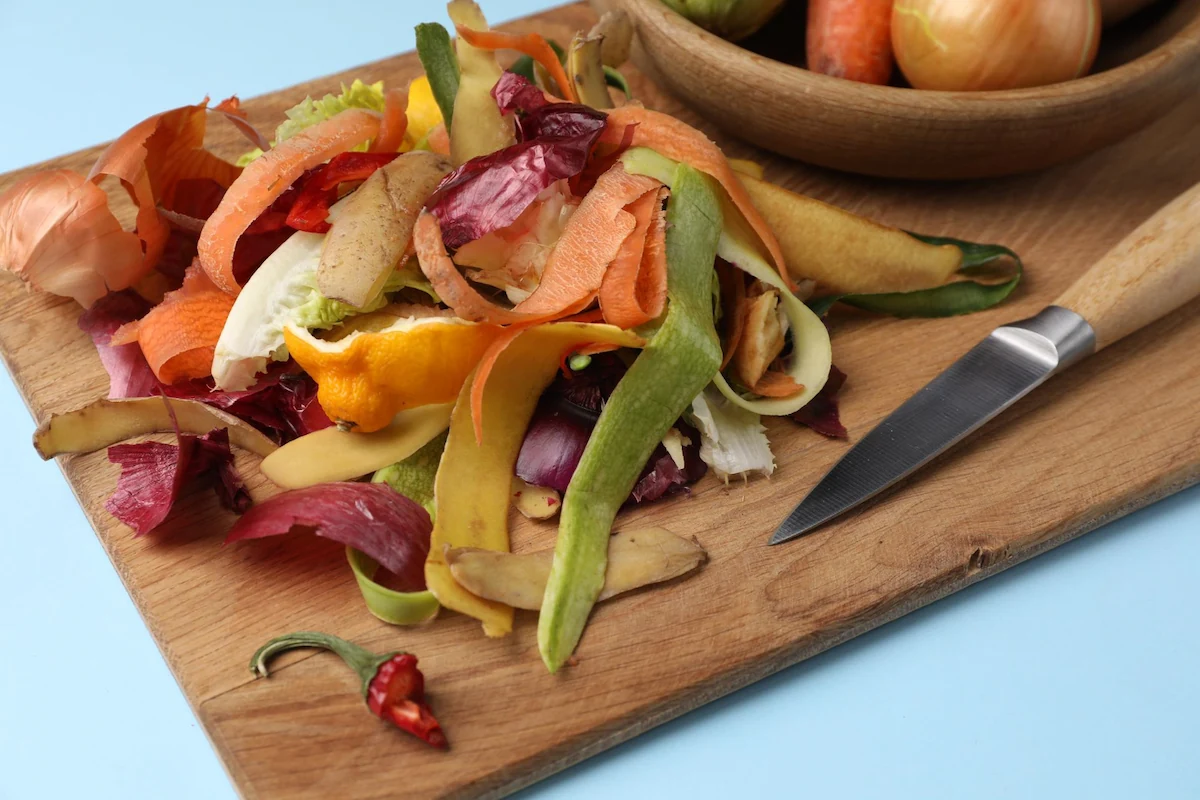
After cooking, what do you usually do with your leftover vegetables? Do not throw them away right away! Some types of vegetables still have growing points on their roots, stems, or tubers, so they can be replanted.
If you have a little space at home, leftover vegetables with growing points can be regrown. Interesting, isn’t it? Let’s learn about the types of vegetables that can be regrown and the easy ways to plant them here!
Types of Vegetable Leftovers That Can Be Regrown
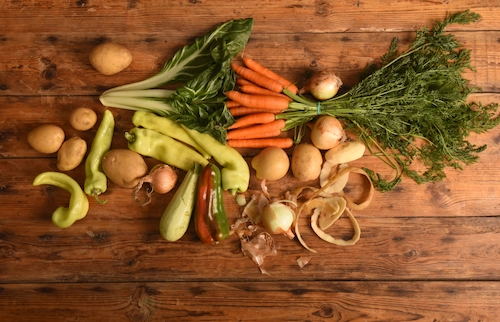
Not all parts of vegetables have to end up in the trash after cooking. Some types of vegetables have growth points on their roots, stems, or tubers, so they can still be replanted. With proper care, these parts can produce new sprouts and even grow into plants that are ready for harvest.
So, are you curious about what you can do with leftover vegetables? First, check out the types of vegetable scraps that can be regrown and how to plant them below:
Potatoes
Do you have sprouted potatoes at home? Do not throw them away just yet! Potatoes that have started to sprout still have a chance to grow again.
Instead of letting them go to waste, you can plant them in the right growing medium so they can develop into new plants and produce new tubers to harvest. Try the following method for planting potato sprouts:
- Choose potatoes that have several sprouts.
- Cut the potatoes into several pieces if they are large. Make sure each piece has at least one sprout.
- Let the potato pieces sit for 1–2 days until their surfaces dry out.
- Prepare the growing medium in a pot, plastic bag, or any container you have.
- Plant them with the sprouts facing upward in loose, well-draining soil.
- Water them moderately and place the pot in a sunny spot.
Green Onions
Green onions are one of the easiest vegetables to regrow because their roots are still actively growing. Using the water propagation technique, the green onion bulb can produce new roots and shoots and can even be harvested multiple times if cared for properly.
Planting them is quite easy. Leave about 5–8 cm of the green onion bulb with roots intact, then place it in a container filled with water so the roots are submerged.
Keep the container near a window or in an area that gets enough sunlight for optimal growth. In about 2–3 weeks, the green onions will be ready to harvest.
Basil Leaves
If you often use basil leaves as a garnish for your dishes, do not immediately throw away the leftover fresh stems. These basil stems can still be regrown, so you can have a fresh supply of basil leaves without buying new seedlings.
It is also quite simple to plant. Just cut a basil stem about 10–15 cm long, then remove the leaves from the bottom part. After that, place the end of the stem in a container filled with water and set it in a bright spot, but out of direct sunlight.
When the roots of the basil you planted begin to grow, transplant it into fertile potting soil and water it regularly so it can grow well.
Read also: How to Get Rid of Trash Properly: A Guide to Sustainable Waste Management
Sweet Potatoes
Just like potatoes, sweet potatoes that have started to sprout can still be replanted to grow into new plants. Interestingly, sweet potato plants not only produce tubers but also have young leaves that can be used as a vegetable.
To plant them, simply soak part of the sweet potato in a container of water, using a toothpick as a support. Once roots and sprouts begin to grow, move the sweet potato sprout pieces to loose, well-draining soil.
After planting, place the sweet potatoes in a spot that gets plenty of sunlight and water them regularly to support their growth.
Mustard Greens
You can replant the base of the mustard greens that are often left over after cooking. Although the yield is not always as large as that of the original plant, mustard greens can still produce young leaves you can use in various dishes.
Planting them is also quite easy. Simply place the base of the mustard greens in a container with a little water so that the bottom is submerged, then change the water daily to keep it clean.
If roots and new shoots have started to appear, immediately transplant them into a fertile growing medium. Next, water them regularly so the mustard greens can grow optimally.
Read also: What Is Composting? The Benefits and How to Make It at Home
Tips for Planting Leftover Vegetables
To ensure the leftover vegetables you plant grow well, keep a few things in mind. Here are some tips you can follow:
- Choose fresh vegetable parts: Use leftover vegetables that are not wilted or rotten and still have roots, stems, tubers, or growing points to increase the chances of them growing.
- Adapt the growing medium to the type of vegetable: Some vegetables, such as water spinach, celery, and lettuce, can be grown using hydroponics. This method does not require soil and can be used in limited spaces.
- Ensure the plants get enough sunlight: Place them in a bright area, such as near a window or in your yard, so photosynthesis can occur effectively.
- Maintain the moisture level of the growing medium: Water the plants regularly and moderately to keep the medium moist, but avoid waterlogging, which can hinder root growth.
- Care for the plants consistently: When using the hydroponic method, change the water periodically to keep it clean. Additionally, check the plants’ condition regularly to ensure that shoots and roots are growing well.
That concludes our explanation of various vegetable scraps that can be regrown, along with how to plant them. By using parts of vegetables that still have growing points, you not only manage organic waste more wisely but also enjoy a simple harvest right at home.
If you have an interesting way to manage waste or take action to protect the environment, do not hesitate to share it through Jejak Asri, a campaign by Indonesia Asri.
Your story can inspire Warga Asri to collectively create a greener Indonesia. Even better, you also have the chance to win millions of rupiah if you are lucky (terms and conditions apply).
Do not miss this opportunity! Be sure to submit your story before October 16, 2026. Register now and contribute to the environment with Indonesia Asri!
Read also: Benefits of Eco-Enzymes and How to Make Them Easily at Home