According to data released by the Indonesian Ministry of Environment in May 2025, approximately 61% of waste in Indonesia remains improperly managed. Of the total 56.63 million tons of waste per year, 21.85% is still dumped in landfills using open dumping.
This condition highlights the extent of the challenges in Indonesia’s waste management and the importance of understanding the prevalent open dumping waste management.
Would you like to know more about open dumping and its environmental effects? Discover the complete explanation below.
What Is Open Dumping?
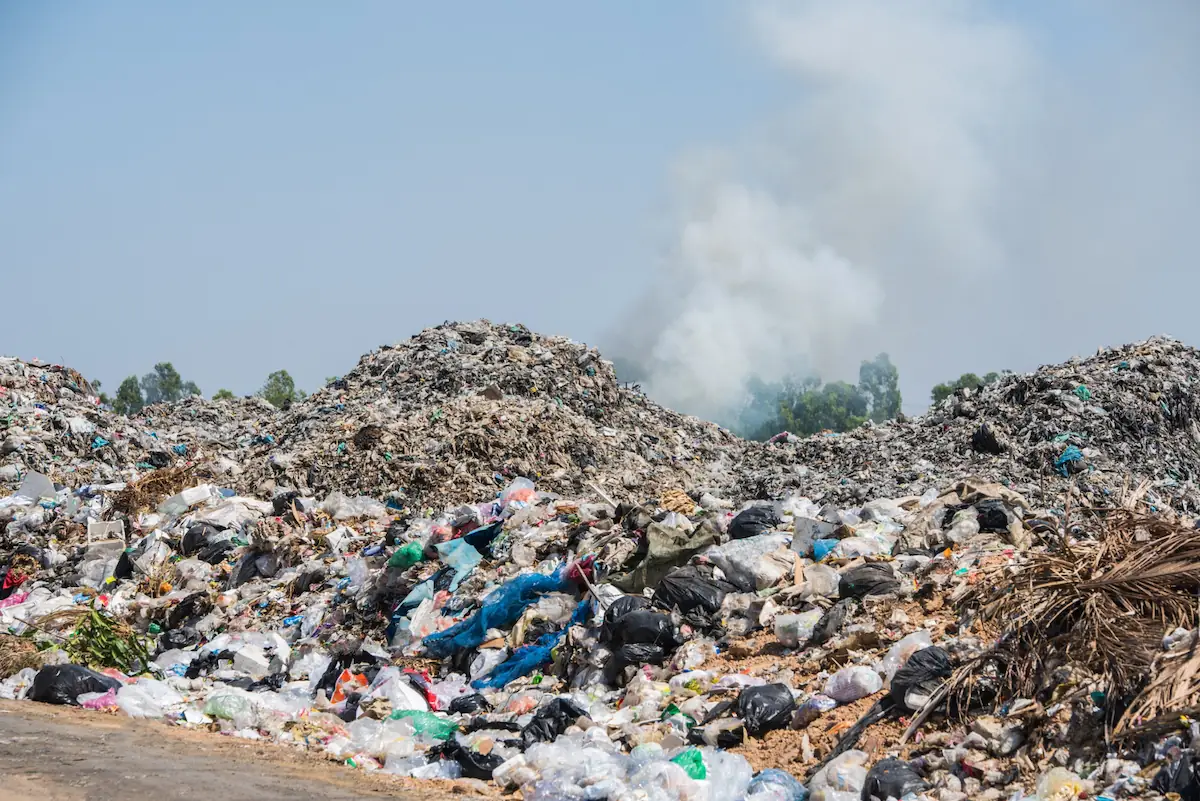
Open dumping is the practice of disposing of waste in an open space without properly managing, sorting, or controlling it beforehand.
In an open dumping waste management, organic or inorganic waste is generally dumped on the ground surface and left to decompose naturally without being covered with soil, managed through a leachate treatment system, or using gas management facilities.
This condition makes open dumping potentially dangerous to the surrounding environment and population.
Why is Open Dumping Harmful?
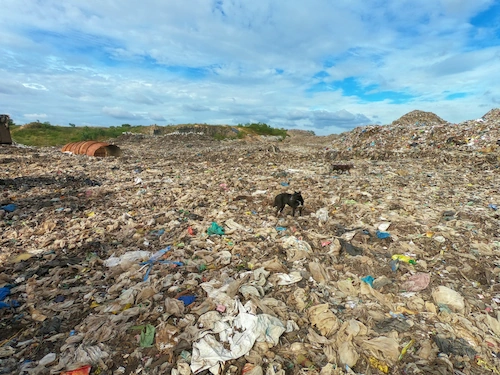
According to the Triple Green Environmental Development Foundation (TGED Foundation), open dumping is harmful because it leaves waste in areas not intended for waste disposal. Without proper regulation and control, waste accumulates in open spaces.
Considering the characteristics of open dumping, waste that is left on its own without sorting, covering, and a leachate treatment system and gas management can easily spread soil, water, and air pollution to the surrounding areas.
Based on the actual practices, open dumping is an inefficient waste management practice and may lead to broader environmental impacts.
In Indonesia, the practice of open dumping is also strictly prohibited by law. This is stated in Law No. 18 Year 2008 on Waste Management, which prohibits open dumping for waste disposal in landfills.
The law is supported by Government Regulation No. 81 of 2012, which requires local governments to manage waste more safely, such as by practicing sanitary landfill practices. Therefore, open dumping is not only harmful but also violates Indonesian law.
Read more: How to Get Rid of Trash Properly
Negative Effects of Open Dumping
Open dumping has various negative effects that people are often unaware of. According to the data from the Indonesian Ministry of Environment, most landfills that practice open dumping may pose serious environmental problems.
A few negative effects of open dumping on the environment include the following:
Groundwater and River Pollution

Accumulated waste left in an open space produces leachate, a toxic liquid acquired from the waste decomposition process. Leachate liquid that seeps into the soil may pollute groundwater used by the population in the surrounding landfill areas.
Accelerated Global Warming
Decomposed organic waste in open dumping areas will generate methane gas (CH₄). Accumulated methane from the waste contributes to increased global warming, which may accelerate climate change.
Health Decline of the Surrounding Population
The sites of open dumping often become home to animals that carry diseases, such as flies, mosquitoes, and rats. These animals may spread contagious diseases, including dengue fever, leptospirosis, skin infection, and respiratory disorders.
In addition, strong odor from harmful gases, such as ammonia and hydrogen sulfide, may trigger eye irritation, coughing, dizziness, and reduced air quality that directly impact the nearby population.
Risks of Damaging the Ecosystem
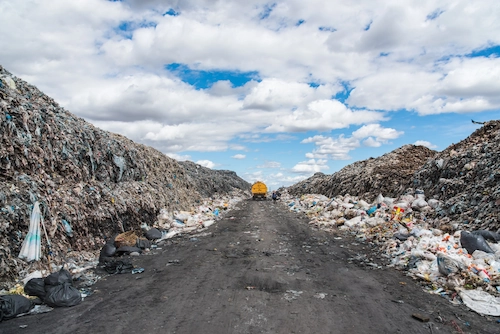
Waste accumulation from open dumping practices may damage the ecosystem. This changes soil quality, reduces fertility, and disrupts plant growth, the source of food for many organisms.
Moreover, waste spread in natural animal habitats may disrupt local animal life patterns. Land or water animals often consider waste as food, which leads to poisoning, digestive disorders, and death.
This concludes the explanation related to open dumping and its negative impacts on the environment. Open dumping must not be practiced due to its unsafe and unsustainable practices.
Open dumping must be replaced with more modern, controlled, and sustainable waste management to maintain the quality of the population and the environment.
Considering the risks that may arise, a more responsible waste management practice is highly important. You can learn how to dispose of waste properly and reduce the negative environmental impacts by becoming a Warga Asri.
Together with Indonesia Asri, you can take part in various #AksiAsri that support the creation of a clean, healthy, and sustainable environment. You can also participate in many positive, impactful activities, ranging from sorting waste to maintaining a clean environment, as well as joining sustainable, fun environmental challenges.
Are you ready to be a part of the change? Sign up now and become a Warga Asri who actively contributes to a cleaner and healthier Earth!
Read more: What Is Waste Disposal and How to Do It?