

Table of Contents
Plastic waste management in a country is not the sole responsibility of any single party. In fact, plastic waste processing requires strong government regulations, adequate infrastructure and funding support, as well as active participation from the community and industry.
This means that regardless of your role and status, you have a responsibility to manage plastic waste wisely. With proper processing, plastic waste can truly bring many benefits. Let’s take a look at the guidelines for plastic waste processing in this article!
Various Methods of Plastic Waste Management
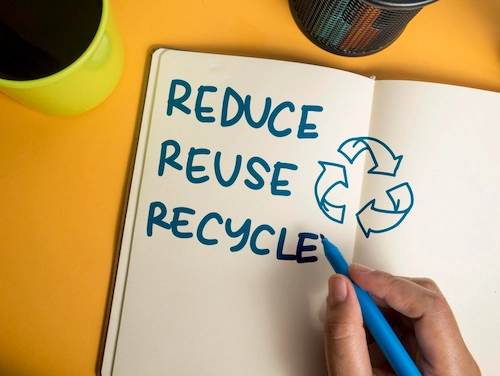
The discussion of plastic waste cannot be separated from the 3R (Reduce, Reuse, Recycle) management methods. In practice, 3R plastic waste management is applied at two levels, which are the household and community levels, as well as the industrial and technological levels. Here are examples of each method, followed by their explanations:
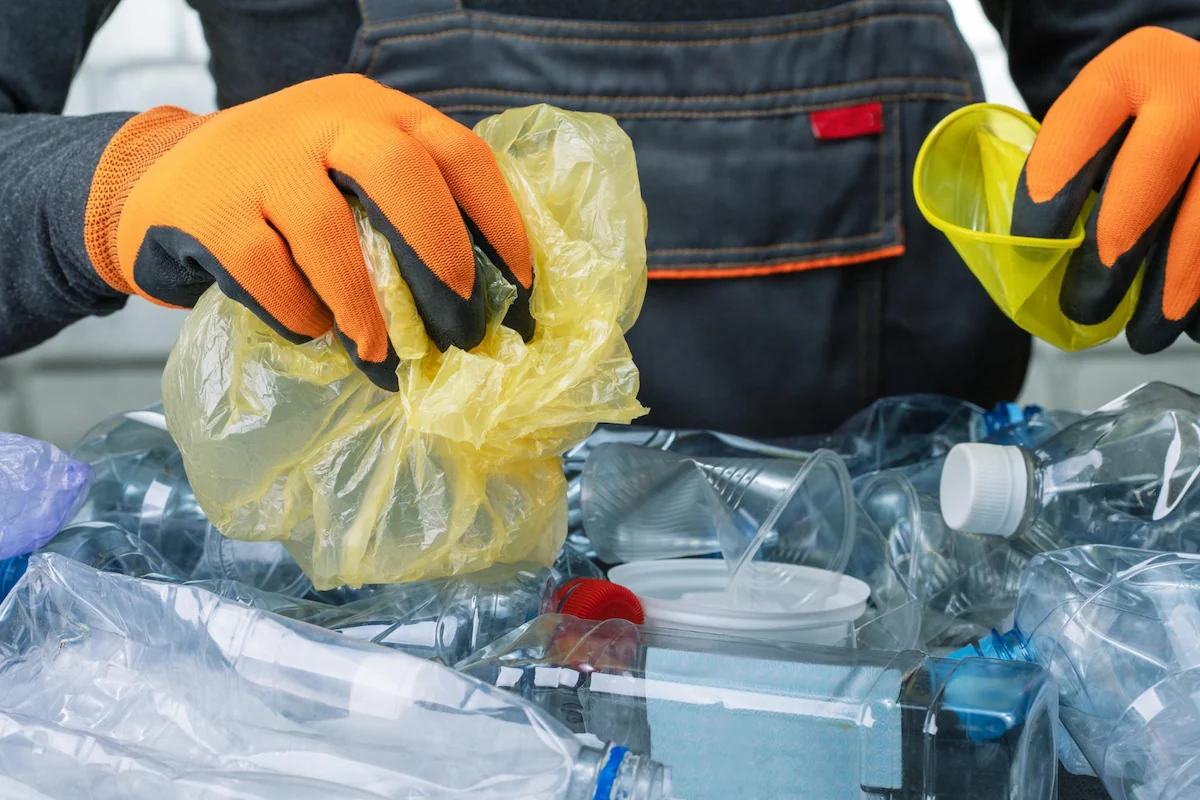
Sorting Plastic Waste
Sorting plastic waste is a basic step that should be conducted before further processing. Here, you need to separate it from organic waste, then divide it based on type.
The reason plastic and organic waste need to be separated is that they have different recycling methods. Meanwhile, sorting by type is important because some plastic waste can be recycled directly, while the rest should undergo further processing.
Read also: Why Is Waste Sorting Important? Learn How to Do It at Home!
Using It as a Mini Greenhouse
If you enjoy gardening, you can use plastic bottles to create various tools to support your hobby. One of the easiest ways is to make a mini greenhouse. Instead of buying conventional greenhouse materials, such as UV plastic and iron frames, using plastic bottles is much more cost-effective.
To make it, simply cut the bottom of the bottle, open the cap, and place it on the garden bed to surround it. This way, you can protect your plants from heavy rain and strong winds while maintaining humidity around the plants.
Turning It Into Functional Artwork
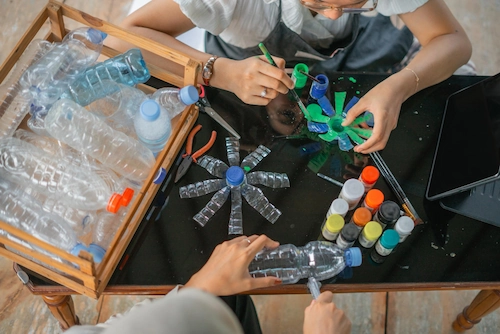
This third method falls under the processing methods category at the household & community level. You can turn plastic waste into something useful for personal use or as a community project.
Some examples of functional art that can be created include flower vases from syrup bottles, wall shelves from jerry cans, and decorative lamps from plastic spoons. By turning plastic waste into these items, you can reduce the volume of plastic waste, extend the life cycle of plastic, and highlight its aesthetic value.
Turning it into an Ecobrick
Ecobrick is derived from the words “eco,” meaning environmentally friendly, and “brick,” referring to the material itself. An ecobrick is an environmentally friendly brick. But, why so? Ecobricks are made from plastic bottles filled with non-biodegradable plastic waste.
They are usually used as non-structural building elements, such as partition walls and dividers in certain areas of a room. Additionally, you can also assemble them into simple furniture and furnishings, such as pots and garden benches.
Apart from helping to streamline budgets, ecobricks can also be an interesting medium for public education. Ecobrick-making activities are often carried out in schools, community workshops, environmental campaigns in public spaces, and even within families.
Recycling into Fashion Products
Plastic waste can be processed into more than just crafts and decorations. In fact, plastic waste can also be used to make unique fashion products. One well-known sports brand has even produced sportswear and shoes from recycled ocean plastic.
Furthermore, recycled plastic waste can also be used as a raw material for bag production, as explained in the Journal of Entrepreneurship and Business. The journal discusses the practice of processing plastic waste into bags carried out by Bank Sampah Sejahtera in Surakarta.
To create bags from plastic waste, waste bank managers receive training in ecopreneurship, which includes design patterns, bag accessories, sewing, and promotional strategies. As a result, Bank Sampah Sejahtera can sell its products widely, both offline and online, and receive many orders.
Read also: What Is Sustainable Fashion & the Impact on the Environment
Turning It into Environmentally Friendly Fuel
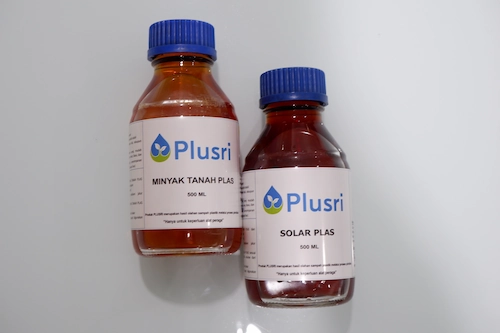
The process of converting plastic waste into environmentally friendly fuel is known as pyrolysis. This method falls under the category of industrial-scale processing methods and technology. In the heating process, pyrolysis occurs at 400–800 ℃ and uses little to no oxygen.
Chandra Asri Group, which significantly contributes to waste processing efforts, has also launched a pyrolysis oil product called PLUSRI. Many local industries have been using this oil as an alternative fuel to replace kerosene and diesel.
PLUSRI users range from home-based food processing MSMEs to batik artisans. One of the MSMEs using PLUSRI is Batik Krakatoa Cilegon. This MSME from the City of Steel uses PLUSRI as fuel to heat wax and dye its batik products.
Shredding and Processing It into Plastic Asphalt
In addition to PLUSRI, Chandra Asri has also successfully recycled plastic into asphalt raw materials. In fact, the plastic asphalt initiated by Chandra Asri has been used on more than 120 km of roads throughout Indonesia.
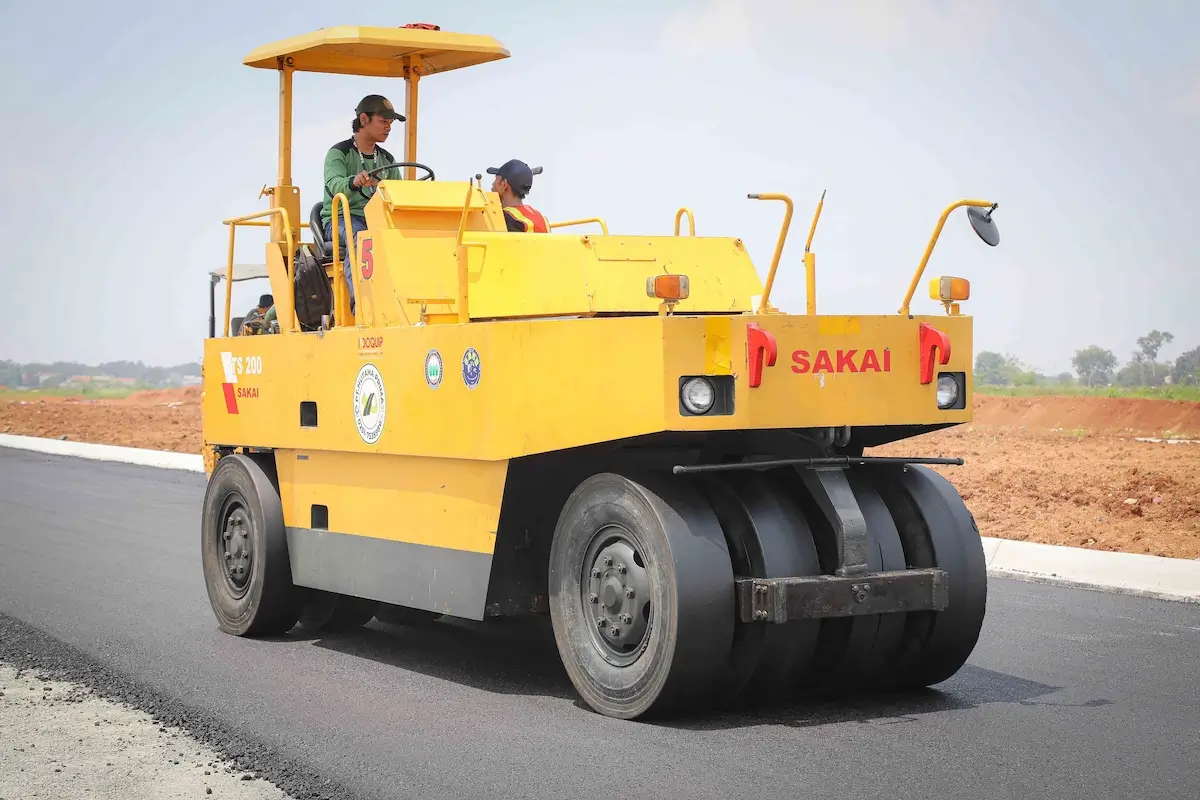
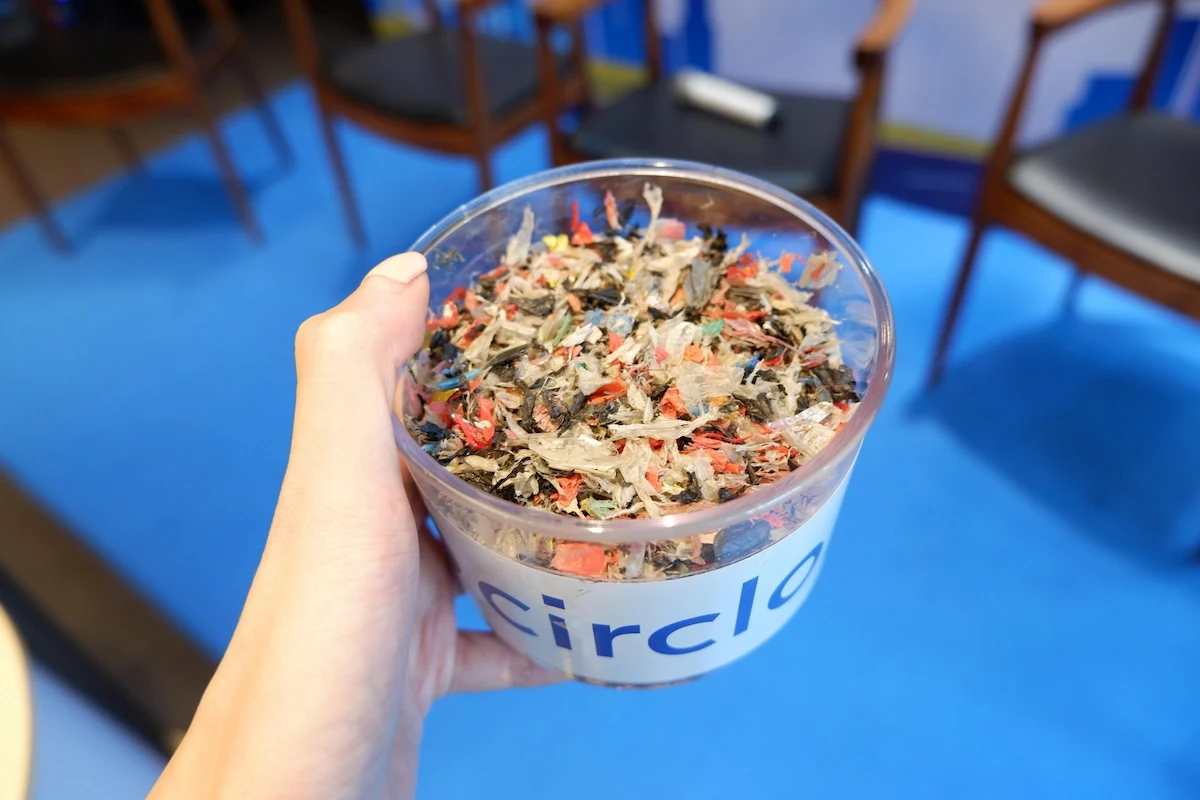
Interestingly, Chandra Asri has also developed an innovative plastic-asphalt mixture product made from shredded plastic bags, namely CIRCLOⓇ. This franchise is not only a solution for plastic waste management, but also empowers local vendors and recyclers.
Practically, Chandra Asri also trains contractors or asphalt mixing plants (AMPs) to be able to mix asphalt with previously produced plastic bag shreds. CIRCLOⓇ has been standardized according to PUPR specifications, so its quality and technical performance are guaranteed.
That concludes some plastic waste management methods you can use as a reference. From the explanation above, you can see that plastic waste management in Indonesia can actually start from the smallest unit, which is the individual.
To that end, you can take an active role by joining Indonesia Asri. Through Indonesia Asri, you can be directly involved in various environmental conservation programs with exciting formats, such as #AksiAsri.
Remember, a beautiful Earth is not only good for our livelihoods, but also for our children and grandchildren. Now, register yourself as a Warga Asri and show your positive contribution to the preservation of the Earth!
Read also: Types of Waste Disposal Sites & What Makes Them Different