

Table of Contents
Indonesia has a wide variety of natural resources. One of them is clean, well-preserved rivers.
Clean rivers are an important indicator of environmental quality and a reflection of the community’s awareness.
In several regions of Indonesia, rivers with good water quality can attract tourists from across Indonesia and even abroad.
The appeal of clean rivers lies not only in the clarity of the water but also in the beautiful and soothing natural scenery. Want to know where the cleanest rivers in Indonesia are located? Let’s find out more in this article!
7 Cleanest Rivers in Indonesia
According to the Republic of Indonesia’s Ministry of the Environment, water quality monitoring shows that most rivers in Indonesia remain polluted.
Data from the first semester of 2025 show that approximately 70.7% of monitoring points do not meet water quality standards, while only 29.3% comply. This monitoring was conducted at 4,482 locations spread across Indonesia.
In fact, three provinces have all monitoring points recorded as polluted: DKI Jakarta, Riau Islands, and South Papua, making water quality a serious concern.
Despite these challenges, some rivers have maintained their clarity and cleanliness.
The existence of these rivers not only reflects the environmental quality but also highlights the beauty of Indonesia’s rivers, which should be appreciated.
Here are some examples of the cleanest rivers in Indonesia, famous for their well-maintained water quality and captivating natural charm:
Kalibiru Warsambin River
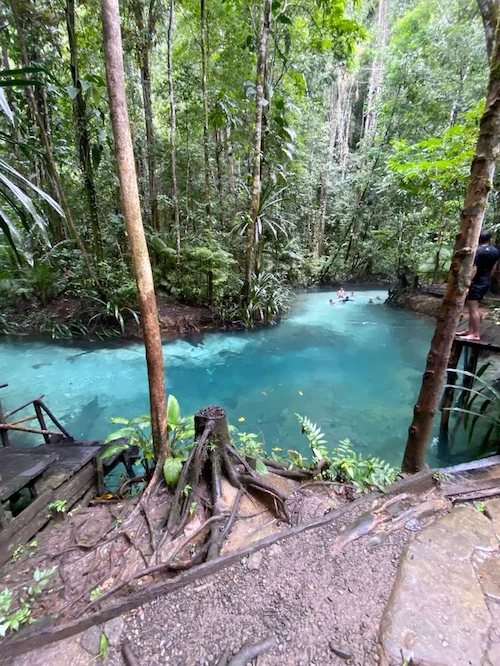
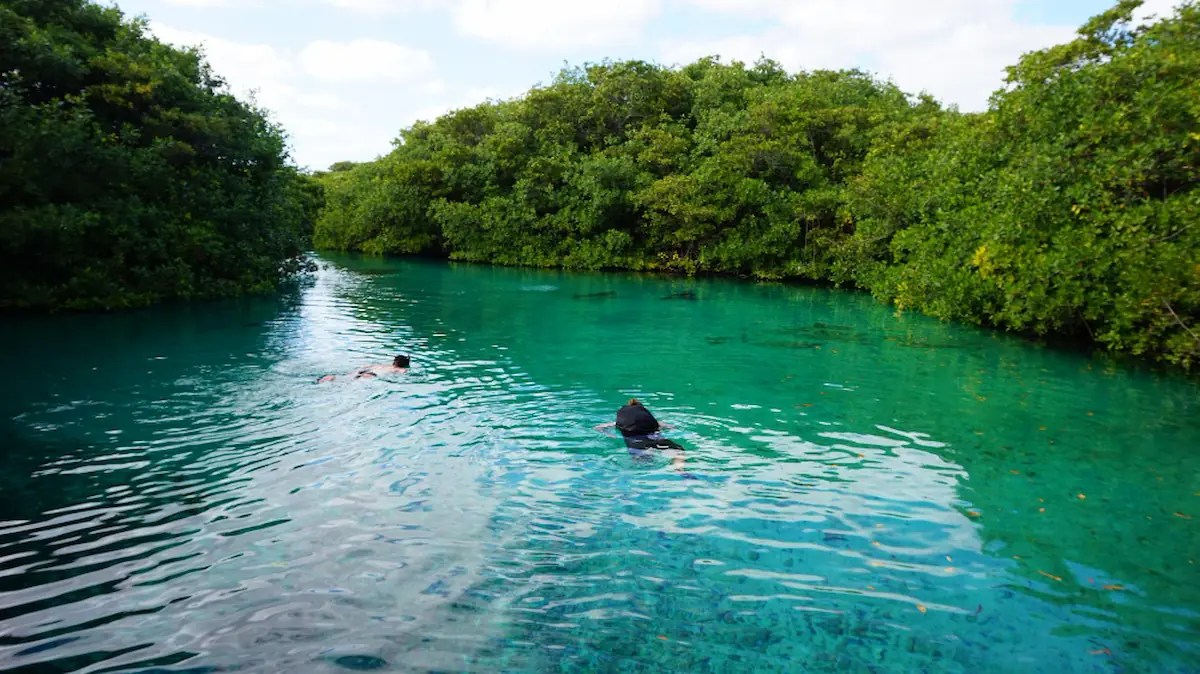
The cleanest river in Indonesia is the Kalibiru Warsambin River. Located in Raja Ampat, West Papua, this river is renowned for its clarity, allowing you to see the bottom without diving.
There are several reasons why the Kalibiru Warsambin River remains clean. One of them is a set of strict rules for tourists visiting the river.
These rules include limiting tourists’ swimming time to no more than 30 minutes. Additionally, tourists are not allowed to use sunblock while swimming to prevent sunscreen from contaminating the water.
Uniquely, the river water is blue. However, this color does not result from pollution but rather from a harmless natural process: the high calcium carbonate content of the karst limestone geology in the river’s upper reaches.
Read also: 10 Cleanest Villages in the World, Must-Visit Destinations!
Watergong River
The Watergong River in Klaten Regency, Central Java, is an example of successful environmental restoration. In the past, this river was severely polluted by waste disposal and overgrown with shrubs and bushes.
Through a river rehabilitation program and the active involvement of the local community, its condition has now been successfully restored. The water is crystal clear, teeming with fresh tilapia, and the atmosphere is more beautiful and comfortable for tourists.
Leuwi Korsi River
Located in Garut, West Java, the Leuwi Korsi River is known for its clean, clear water. Its beauty is further enhanced by the stunning natural scenery around it. The river is surrounded by rocky cliffs that enhance the landscape’s charm.
The water flow in this river is relatively calm, creating a comfortable, soothing atmosphere. Visitors can swim, enjoy the panoramic views, sunbathe, take photos, or walk among the lush green trees.
Tamborasi River
The Tamborasi River is located in Kolaka Regency, Southeast Sulawesi, and is recognized as one of the cleanest rivers in Indonesia and the second-shortest river in the world. This river is only 20 meters long, about 15 meters wide, and 5 meters deep.
The clear blue-green water of the Tamborasi River reflects the sunlight, creating a captivating scenery. Coupled with the stretch of white sand downstream, the atmosphere becomes even more exotic and perfect for swimming or relaxing while enjoying the view.
Kolam Abadi River
The Kolam Abadi River is located in Langkat Regency, North Sumatra, and is known as one of the clearest rivers in Sumatra. Its blue water is so clear that the riverbed and rocks are clearly visible, presenting a breathtaking view.
Not only does it offer a natural panorama, but this river is also surrounded by towering rock cliffs. If you want to get your adrenaline pumping, you can also experience the thrill of cliff jumping, jumping from the cliffs, and falling directly into the clear and refreshing water.
Read also: River Pollution: Causes, Impact, and How to Address It
Sekonyer River
The Sekonyer River is located in West Kotawaringin Regency, Central Kalimantan, and flows through the Tanjung Puting National Park (TNTP). This river is the natural habitat of Kalimantan’s orangutans and is home to proboscis monkeys and hornbills that live in the forest.
Unlike some of the previous rivers, the water of the Sekonyer River appears brownish-black. However, this dark color is not caused by pollution, but by the natural tannin content released by the roots and leaves of the surrounding peat swamp forests.
Niyama River
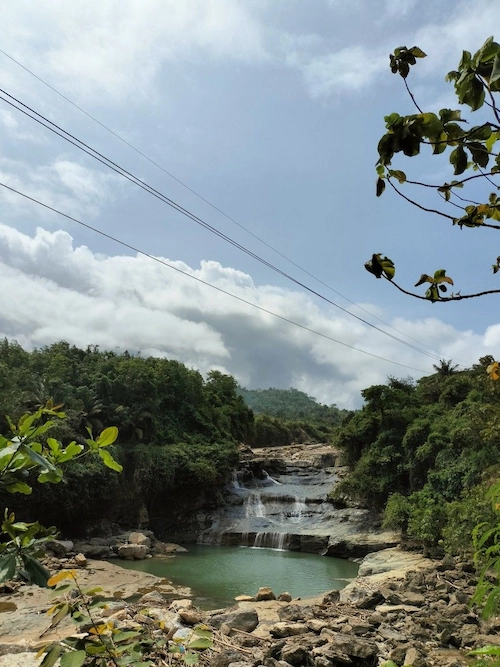
The Niyama River in Tulungagung Regency is recognized as a hidden natural tourist destination. This is because the river flows between limestone rocks that form natural basins resembling small pools with unique, photogenic shapes.
Not only does it offer clear water, but the Niyama River’s cleanliness is also well preserved. Its relatively natural environment and minimal litter create a cool, calm, and comfortable atmosphere for enjoying nature’s beauty.
That concludes the information on the list of Indonesia’s cleanest rivers. Amidst the fact that most rivers in Indonesia are still polluted, the existence of these clear rivers is proof that environmental sustainability can be achieved through collaboration and shared concern.
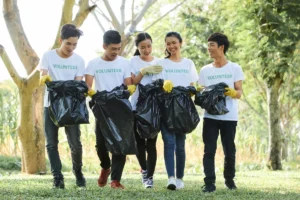
To help maintain the river’s quality and the environment, you can take part in Indonesia Asri. Through the Jejak Asri campaign, you can share simple actions to preserve the environment, including activities that support river cleanliness. This campaign offers a total prize of up to 28 million rupiah for 8 Warga Asri whose stories are selected by the judges. So, are you interested in joining this campaign?
Share your story before October 16, 2026, and encourage more people to participate in creating a healthier, cleaner, and more comfortable environment for a better future for our planet!
Read also: The List of Top 10 Cleanest Countries in the World of 2025