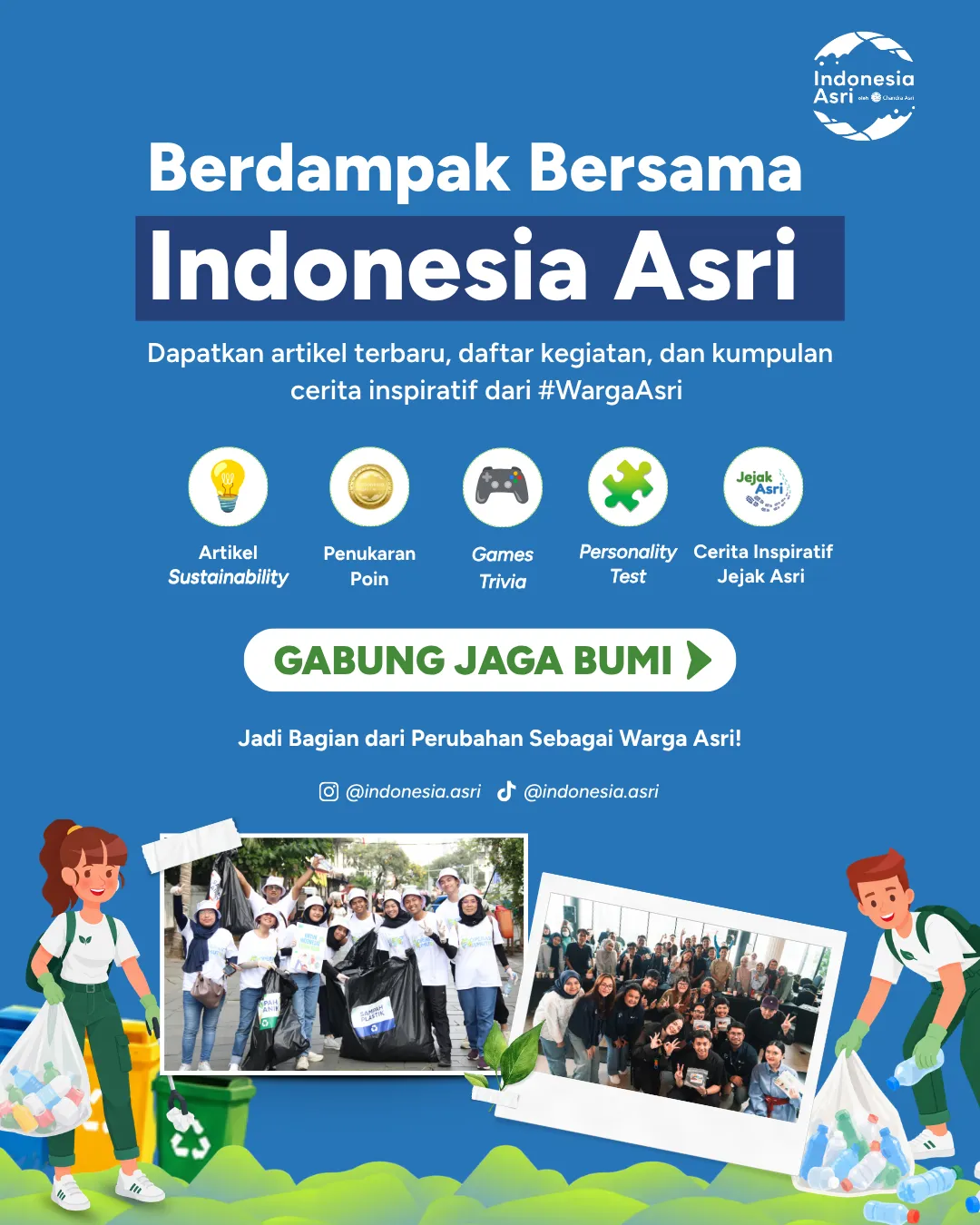

The volume of waste in Indonesia continues to increase annually, reaching millions of tons that end up in the Temporary Disposal Site or even pollute the environment.
This phenomenon requires effective solutions and active community participation. Unfortunately, public awareness in Indonesia about the importance of sorting waste from its source remains relatively low.
In the midst of this challenge, community-based waste management has emerged as the fighter, driving a movement toward behavioral change in society’s waste management.
Not merely a meeting point, this community also serves as an educational agent, cultivating environmental awareness. Curious to learn more? Read the article below.
The Role of Community-Based Waste Management
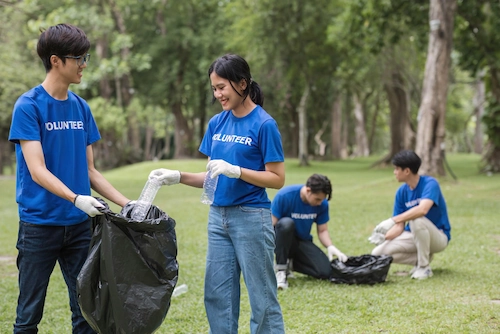
In general, community-based waste management is a group of initiatives that focus on providing facilities and education for waste separation.
The purpose of this community is to create a more responsible and sustainable waste management system, from the household level to large-scale industry.
In Indonesia, there are many waste management communities, including Indonesia Asri, which focuses on educating the public about the importance of sorting waste before disposal.
In community-based waste management, the role of Indonesia Asri is not only as an environmental literacy agent but also a platform for Warga Asri to gather and actively participate in sustainable campaign activities in public spaces.
The concrete role of Indonesia Asri in the field is Operasi Semut. Through this program, Indonesia Asri encourages the community to build new waste-management habits through simple actions. Operasi Semut consists of the following series of programs:
Operasi Semut Volume 1
This activity was driven by concerns about the surge in waste generated after outdoor events, such as concerts and Car Free Days (CFDs). Therefore, this activity involved cleaning up waste in the CFD.
However, Operasi Semut Volume 1 focuses on sorting waste, educating the public about the circular economy, and encouraging a #pilahsampah lifestyle before disposal.
Operasi Semut Volume 2
Similar to volume 1, Operasi Semut volume 2 encourages the community to take part in picking up and sorting the waste. This activity is a part of educating the public to help create a more sustainable environment.
Operasi Semut Volume 3 and 4
Operasi Semut Volume 3 was held on Monday, October 8th, 2023, at Plaza Senayan, specifically during the pre-event of Jakarta Marathon 2023. Meanwhile, Operasi Semut Volume 4 took place during the main event of Jakarta Marathon 2023 at Gelora Bung Karno on Monday, October 22nd 2023.
These activities encourage all Warga Asri and communities to adopt the habit of sorting waste and disposing of it properly. Additionally, it targets sports enthusiasts, considering the growing fitness trend among young people.
The goal is to engage the broader community to spread awareness about the importance of sorting waste. Therefore, an active lifestyle combined with environmental responsibility can create a healthy body and a more sustainable planet.
Operasi Semut Volume 5
This event was held to celebrate Environmental Day on June 5th, 2024, at Kota Tua, an iconic place frequently visited by tourists in Jakarta.
The selection of this location was based on its educational potential to reach diverse segments of the community, to build greater awareness of waste-sorting culture.
Operasi Semut Volume 6 dan 7
This program combines educational activities, cleanup, and entertainment, featuring a showcase of recycled products and environmentally themed games.
The success of Operasi Semut Volume 3 motivated Indonesia Asri to continue this program with the same targets, which are runners.
Through this Operasi Semut, Indonesia Asri aims to demonstrate concrete actions in realizing a waste-sorting culture for a cleaner environment.
Operasi Semut Volume 8
In this program, Indonesia Asri adopted the concept of green sports as part of initiatives to raise awareness and promote eco-friendly practices in the sports sector.
This time, Operasi Semut Volume 8 expands into another sport, martial arts. Not only focusing on runners, but this initiative also aligned with the spirit of sportsmanship.
Operasi Semut Volume 9 and 10
This program also took part in the Jakarta Running Festival 2025. During the event, the collected waste was weighed, totaling 23.6 kilograms, which will then be sorted and recycled.
Additionally, a booth was provided to allow visitors to craft plastic waste into handmade items as an effort to transform waste into products with economic value.
The Purposes of Sorting Waste
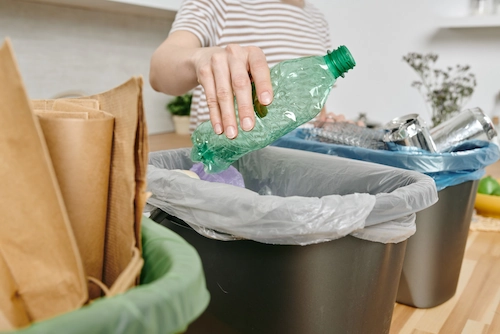
Sorting waste is the process of grouping and separating waste by type and characteristics at the source (home, school, or office).
This activity is an essential first step toward efficient waste management, transforming waste from a problem into a valuable resource. There are several purposes of sorting waste, including:
Facilitating Recycling
Sorting waste helps maintain the “purity” of materials and makes the waste processing cycle more efficient and faster.
Organic waste that has been properly separated can be immediately directed to processing streams for conversion to compost or biogas.
Meanwhile, inorganic waste that is not mixed with organic substances maintains higher quality and recycling value, making it easier for the factory to process.
Reducing Waste Volume in Landfills
By separating organic and inorganic waste, the amount of residual waste sent to landfills can be significantly reduced. This helps prevent the formation of new waste mounds.
Improving Environmental Health
By sorting waste, you can reduce the risk of water, soil, and air pollution from improperly managed waste.
This also helps prevent waste from becoming a breeding ground for bacteria, germs, and diseases that accumulate. In the long term, it can help reduce the exploitation of natural resources.
For example, as more paper has been recycled, fewer trees need to be cut down to produce new paper products.
Increasing Economic Value
From a financial perspective, sorting waste supports the development of a circular economy that provides added value to communities.
Properly separated waste is an economic commodity with a higher market value and can be converted into savings through a Waste Bank facility.
For example, Chandra Asri Group recycles plastic waste into asphalt. This initiative has already been applied to more than 120 kilometers of roads across Indonesia.
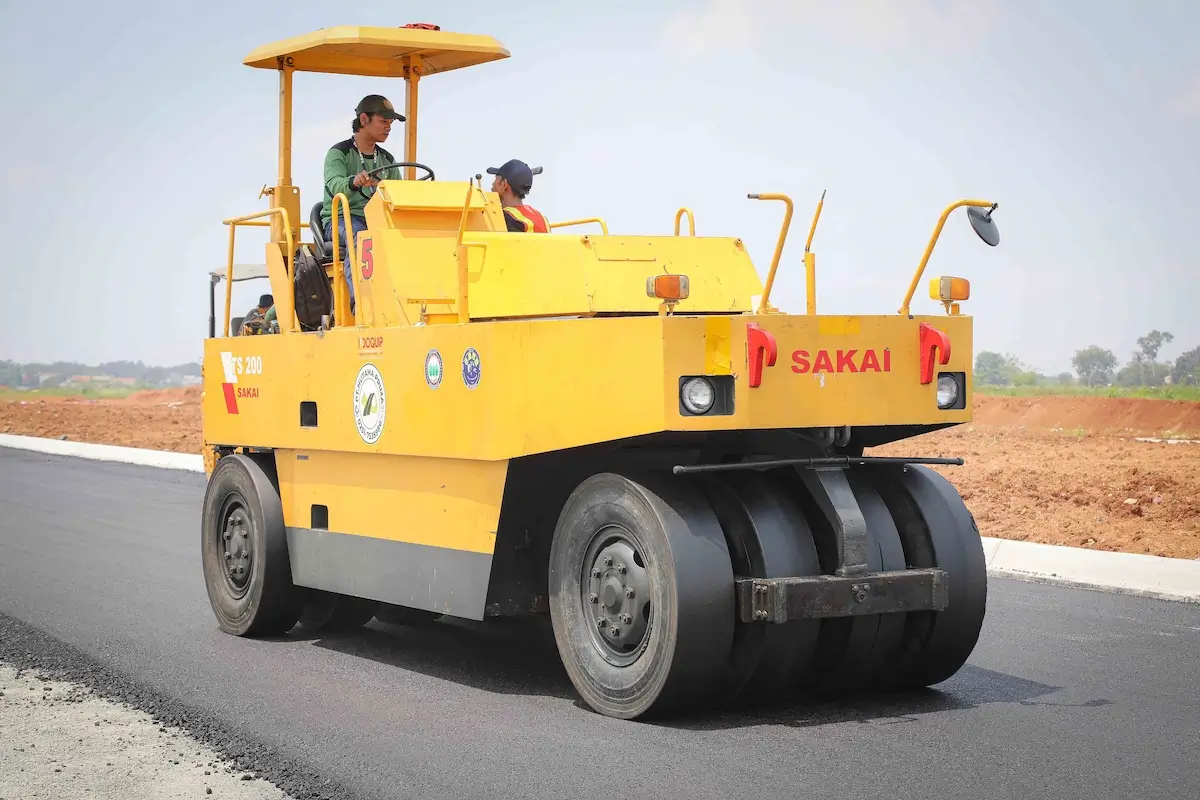
Additionally, Chandra Asri Group also launched other innovative products, namely CIRCLOⓇ, a franchise of asphalt plastic mixture products made from shredded plastic bag waste.
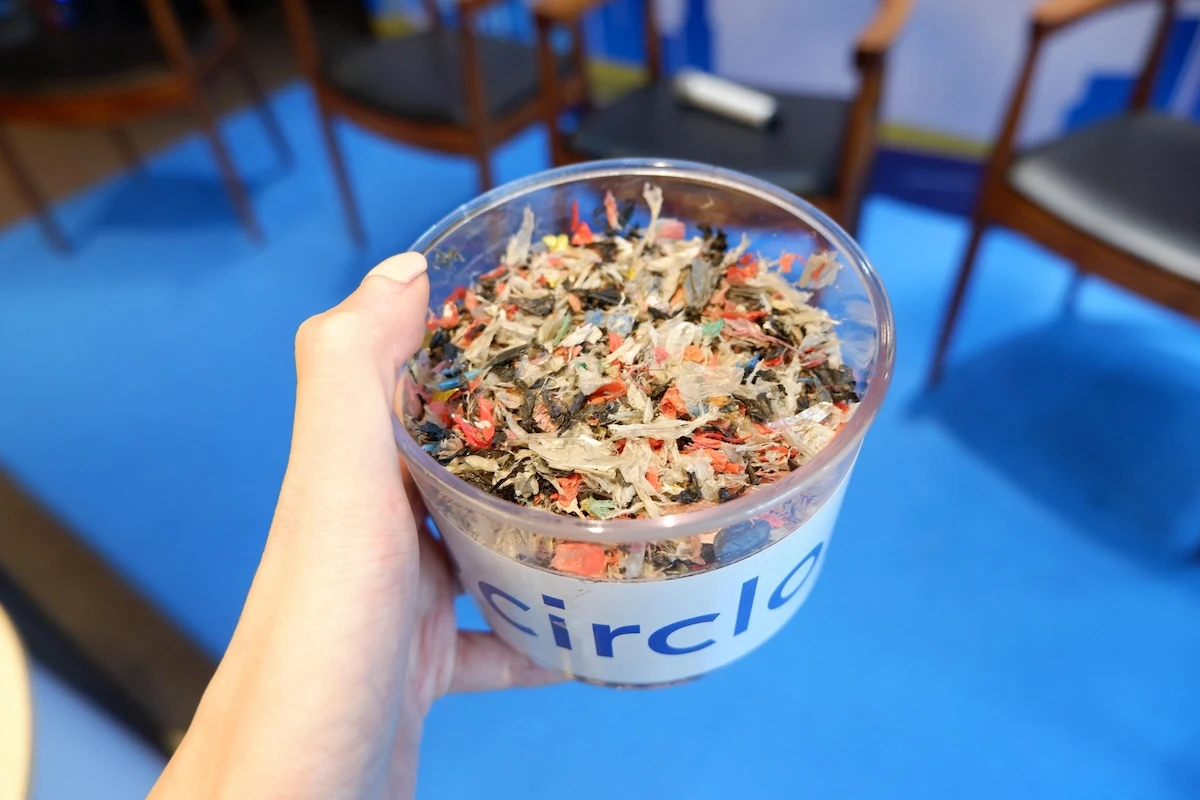
This process is a concrete manifestation of empowering sellers and local recyclers to produce raw materials for asphalt mixtures through an integrated plastic waste collection network.
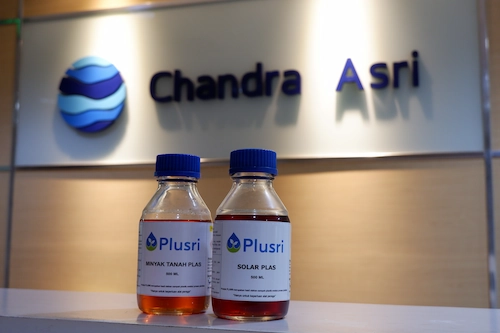
Besides plastic asphalt and CIRCLOⓇ, Chandra Asri Group also introduced PLUSRI. An innovation of renewable fuel from the pyrolysis of plastic waste has become an alternative to diesel and kerosene for various local industries.
Reducing Global Warming
Waste sorting aims to reduce methane emissions. Why is that? The accumulation of organic and inorganic waste piling up in landfills is extremely dangerous.
In addition to causing landslides, piles of waste can trigger methane gas explosions as organic waste decomposes beneath layers of inorganic waste. This can further worsen global warming.
Read also: Methods for Small-Scale and Large-Scale Plastic Waste Management
How to Sort Waste
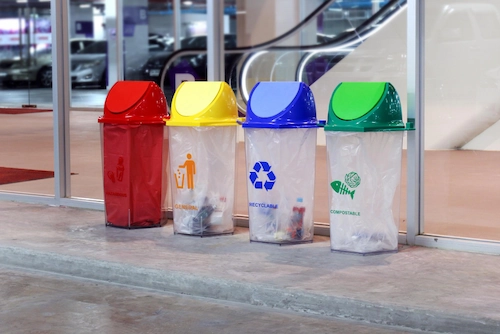
Sorting waste is simple and applicable. In general, here are some methods to sort waste that can be applied.
Use Separated Trash Bins
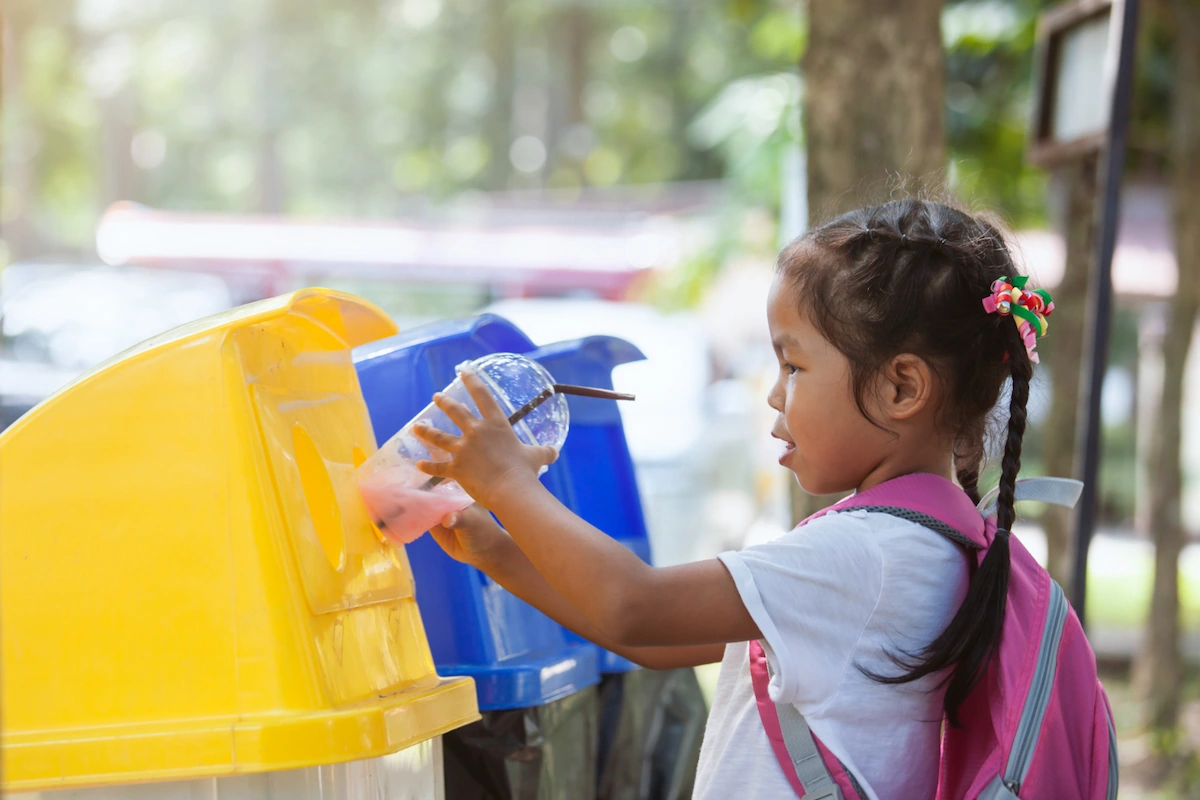
Firstly, prepare two or more trash bins. Add labels indicating the type of waste, such as organic or inorganic. This will make the sorting process easier and facilitate waste management later on.
Separate Organic Waste
Always separate into two categories, namely brown waste (branches and dry leaves) and green waste (fruit peels, food waste, and other organic materials).
Next, process sorted organic waste into compost. For leftover meat and fish bones, you can bury them or dispose of them in the biopori hole.
Ensure Inorganic Waste is Dry
After using inorganic items, it is recommended to wash, rinse, and dry them first before disposing of them to ensure no residue is left behind.
This step aims to make the recycling process easier. For example, leftover cosmetic bottles should be cleaned so that no liquid remains inside.
Sort Inorganic Waste by Type
Separate inorganic waste into groups such as paper, glass, plastic, and metal. Here is the explanation:
- Paper waste includes HVS paper, magazines, newspapers, food/drinks cartons, and others.
- Glass waste, such as broken glass, mirrors, and glass bottles. Store broken glass safely.
- Plastic waste, such as PET, LDPE, PVC, HDPE, styrofoam, and more.
- Metal waste, such as nails, pins, or beverage cans.
Seek Help from Waste Management Organizations
For hazardous and toxic waste (B3), it is recommended to contact organizations or communities that can help with its management. This is because it may harm the environment and living beings.
Read also: How to Make Compost from Organic Waste, Easy and Fun!
That concludes the information on the purposes, methods to sort waste, and the role of community-based waste management in promoting sustainable waste management. Although it may seem simple, the impact of waste sorting is remarkable.
The waste crisis will not solved by waiting alone. Right now, you can also take part further by joining the movement in real action together with Indonesia Asri.
Through this community, your positive contribution is no longer just an intention. You can collaborate, actively participate, and collectively carry out #AksiAsri to create a clean and healthy environment.
Do not wait any longer to register and become a part of Warga Asri to show your care for the preservation of the Earth for a greener future!
Read also: How to Process Inorganic Waste and Its Various Types!