Key Takeaways
- A vegan lifestyle involves choosing foods and everyday products that exclude animal-derived ingredients.
- Reasons for choosing a vegan lifestyle vary, ranging from concern for animals and the environment to making more conscious consumption choices.
- You can transition to a vegan lifestyle gradually by checking product ingredients, increasing your intake of plant-based foods, and understanding how it differs from a vegetarian diet.
Your diet and daily product choices can reflect the values you wish to live by, including a vegan lifestyle that encourages you to be more mindful about what you consume and use. This choice extends beyond plant-based foods to include various everyday products.
So, what exactly is a vegan lifestyle, and how do you get started? Let’s take a closer look!
What Is a Vegan Lifestyle?
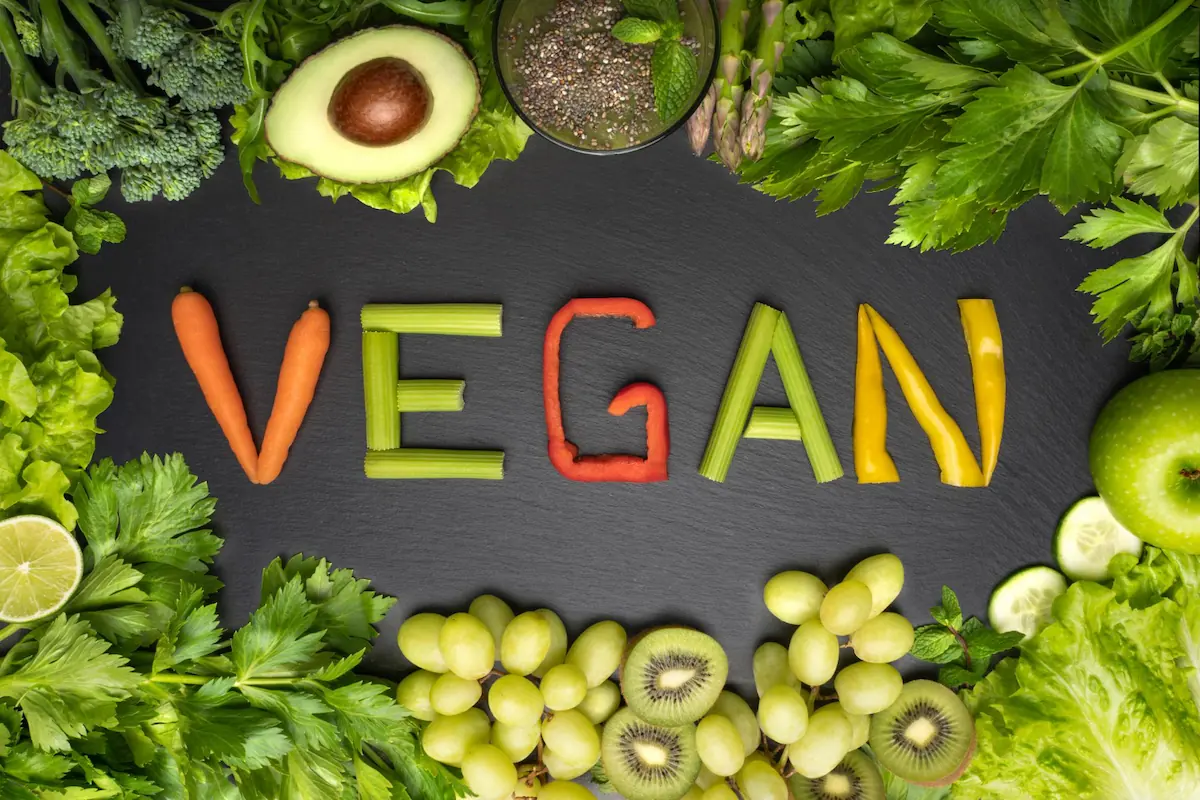
A vegan lifestyle is a way of life that seeks to avoid the use of animal-derived products, whether for food or daily needs.
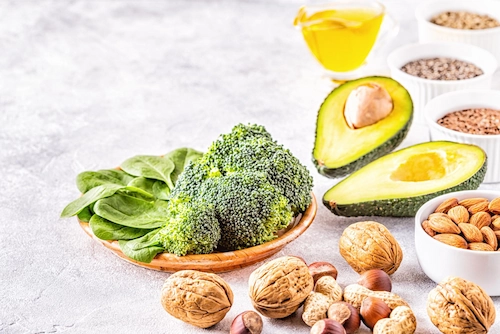
When it comes to food, vegans choose vegetables, fruits, nuts, grains, and processed foods. Meanwhile, this diet excludes products such as meat, eggs, milk, and other animal-derived foods.
The choice to go vegan also shows up in the non-food products used in daily life. For example, choosing clothing made from cotton or plant-based fibers instead of leather and wool, and using personal care products or cosmetics that do not contain animal-derived ingredients and are not tested on animals.
Why Do Many People Choose a Vegan Lifestyle?
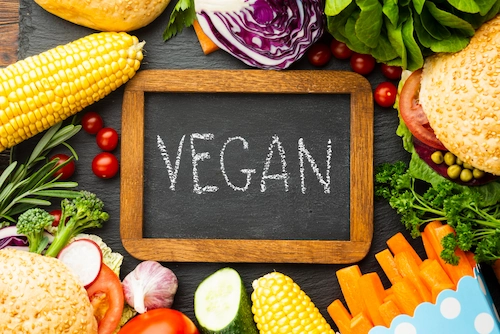
People may choose a vegan lifestyle for various reasons, from concern for animals to a desire to be more mindful when choosing food and everyday products.
For some people, a vegan lifestyle is also tied to environmental considerations and the principles they wish to apply in their lives.
These reasons can vary from person to person and do not always occur simultaneously. The following factors are often considered when someone begins to explore and adopt a vegan lifestyle:
- An interest in plant-based foods, such as trying more vegetables, fruits, nuts, grains, and their processed forms.
- Reducing animal product use, for example, by replacing foods made with meat, milk, or eggs with plant-based alternatives.
- Considering the environmental impact of consumption, such as land use, water consumption, and resources tied to animal-based food production.
Don’t miss: Used Cooking Oil: Its Health Risks & How to Use It Properly
Benefits of a Vegan Lifestyle
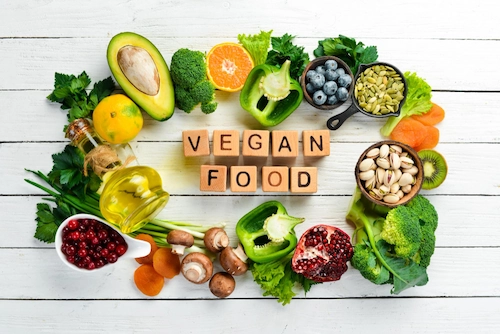
Living a vegan lifestyle can change how you choose food and everyday products. The benefits are not always related to health, but also to the values and habits you wish to adopt.
Here are some benefits of adopting a vegan lifestyle that you should know:
- It increases your awareness when choosing products because you need to pay closer attention to ingredients and origins before using them.
- It encourages plant-based eating, allowing you to explore a wider variety of food options, such as vegetables, fruits, legumes, and grains.
- It opens up opportunities to try new options, both in food and non-food products made with plant-based ingredients or animal-free alternatives.
- It increases awareness of the impact of consumption, including considering how daily food and product choices relate to the environment.
- It helps reduce your carbon footprint by avoiding products from the livestock sector, which is a major contributor of methane to the atmosphere and a massive consumer of water.
Tips for Starting a Vegan Lifestyle
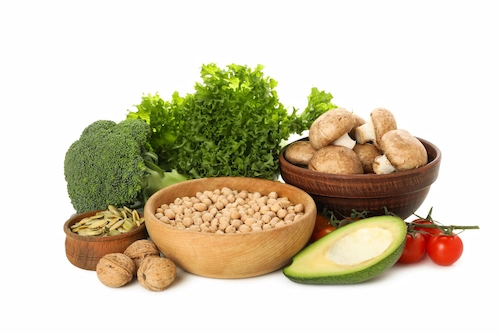
Interested in trying a vegan lifestyle but not sure where to start? Relax, you do not have to change all your daily habits at once. Try taking the following steps gradually while paying attention to your body’s needs and choosing products that suit you:
- Start with your diet: Begin by increasing the amount of plant-based foods in your daily meals. Vegetables, fruits, legumes, grains, and their processed forms can be good options to replace some of the foods you usually eat.
- Understand product ingredients: Do not just look at the product’s name or appearance. Get into the habit of reading labels to find out what ingredients are used, especially when buying food, cosmetics, or personal care products.
- Pay attention to your nutritional needs: Change your diet with your nutritional needs in mind. Make sure your daily meals are varied and include sources of protein, vitamins, minerals, and other nutrients your body needs. If needed, consult a nutritionist before making these dietary changes.
- Take it step by step: You don’t need to feel like you have to be perfect right away. Start with one or two of the easiest changes, then adjust over time. This way, your new lifestyle will feel more realistic to implement in your daily life.
Read also: The Difference Between Organic, Natural, and Vegan Products
Differences Between Vegan and Vegetarian
Essentially, both vegans and vegetarians reduce or avoid the consumption of animal products. However, they differ in scope. The main differences lie in the types of products they avoid and how they apply these dietary choices in daily life.
Vegetarians generally do not consume meat, fish, or seafood, but some types of vegetarians still consume certain animal products, such as eggs, milk, or honey. For example, ovo-vegetarians, who consume only eggs and avoid dairy products. Their dietary patterns may also vary depending on the type of vegetarianism they follow.
Meanwhile, vegans avoid animal-derived products more comprehensively. This principle applies not only to food but can also influence choices regarding non-food products, such as clothing, cosmetics, and everyday items.
So, “vegetarian” refers more to dietary choices, while “vegan” encompasses a broader lifestyle choice. The two have different applications, so it is important to understand the principles of each before you decide to adopt one.
Take Small Steps to Preserve the Earth with #AksiAsri
Adopting a vegan lifestyle can help you become more mindful of the food and products you use in your daily life. Whatever your choice, you can still build more eco-friendly habits with simple steps, including choosing more eco-friendly fuel options for your daily mobility.
If you want to take further steps to protect the environment, you can also join various sustainability activities with Indonesia Asri.
Together with Indonesia Asri, you can join various activities under #AksiAsri. From Operasi Semut (Community Clean-up), which encourages you to sort your trash before disposing of it, to Jejak Asri Hobbies, which raises awareness about the benefits of plastic through a variety of engaging workshops.
So, register now and join #AksiAsri to take your first small step for the environment alongside other Warga Asri!
Related reading: Sustainability Campaign: Ecological Ways to Protect Earth
Frequently Asked Questions (FAQ)
Do you still have questions about the vegan lifestyle? Check out some of the frequently asked questions below:
1. What Do Vegans Eat?
Vegan foods include vegetables, fruits, nuts, grains, tubers, mushrooms, tofu, tempeh, and various plant-based products.
2. Is Being Vegan Good for You?
Being vegan can be healthy as long as you plan your diet and food choices carefully and tailor them to your individual needs.
3. What Do Not Vegans Eat?
Vegans do not eat meat, fish, eggs, dairy, honey, gelatin, or any other foods containing animal-derived ingredients.