
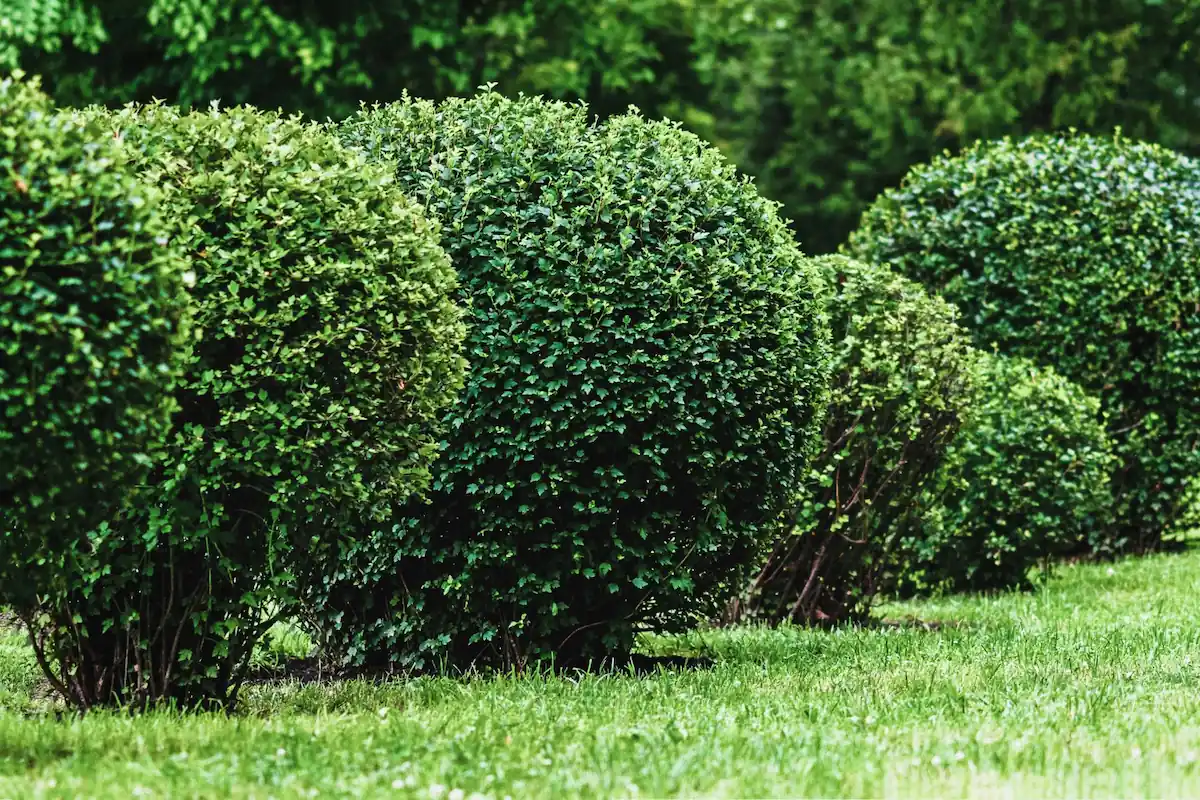
A garden filled with lush greenery can create a cooler, more refreshing, and visually pleasing atmosphere. One type of plant often used to make gardens look greener is the shrub plants, thanks to their dense growth and attractive appearance.
Besides enhancing the beauty of a garden, these plants are also commonly used as living fences and yard decorations. Read this article to discover the characteristics, examples, and benefits of shrubs in more detail!
What Are Shrubs?

Shrubs are woody plants with hard stems, numerous branches, and a relatively short stature compared to trees. In general, shrubs grow around 1–6 meters tall, with branches growing close to the ground.
Unlike trees, which usually have one large main trunk, shrub plants tend to have several smaller branches that spread out. These plants are often used as ornamental plants, living fences, greenery, and even shade plants in home gardens.
When talking about shrubs, you might wonder what makes them different from bushes.
Bushes are smaller plants with dense branching that tend to grow wild. Their stems are generally smaller and less sturdy than shrubs.
Benefits of Shrubs
Shrubs offer various benefits, both for the environment and for enhancing the appearance of outdoor spaces around the house. With their manageable size and easy maintenance, they are often used as greenery elements in different areas.
One of the main benefits of shrubs is enhancing the beauty of gardens and home yards. Their lush leaves and colorful flowers can serve as natural fences, creating a greener, more pleasant atmosphere.
Furthermore, shrub plants can help improve air quality. Their leaves can absorb dust and air pollution, making the surrounding environment feel cooler and fresher.
Characteristics of Shrubs
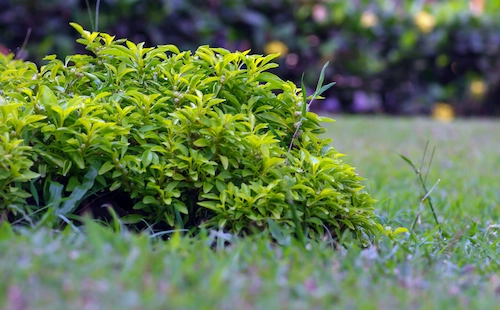
Shrubs have distinct characteristics that set them apart from trees and common bushes. In general, the characteristics of shrubs include:
- Having woody stems that are fairly strong.
- Growing relatively shorter compared to trees.
- Having many branches growing from the lower part of the stem.
- Not having a single large, dominant main trunk.
- Having dense and lush foliage.
- Easy to trim and shape as needed.
- Commonly found in tropical and subtropical climates.
Read also: 9 Ways to Take Care of Plants, Easy and Effective!
Examples of Shrubs
Here are some popular types of shrubs that are often used as ornamental plants and greenery around homes:
Bougainvillea
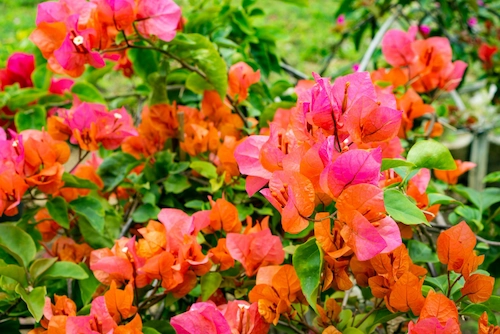
Bougainvillea is an ornamental shrub well known for its brightly colored flowers and attractive appearance. This plant is often used to decorate gardens, house fences, and yard areas because it can grow densely and is easy to shape.
Bougainvillea is very hardy and responds well to pruning, making it a popular decorative plant for fences in tropical regions such as Indonesia. Moreover, it can thrive in almost any type of soil that is not overly wet and can withstand dry weather.
Portulaca grandiflora
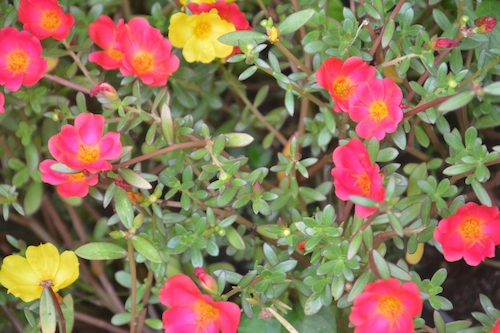
The Latin name is Portulaca grandiflora, and it belongs to the family Portulacaceae. This shrub originates from South American regions such as Argentina, Brazil, and Uruguay, and is widely known as moss rose or nine o’clock flower.
One of its unique characteristics is that its flowers bloom only in the morning, usually around 7–9 AM, then close again as the day approaches noon.
Foxtail Fern
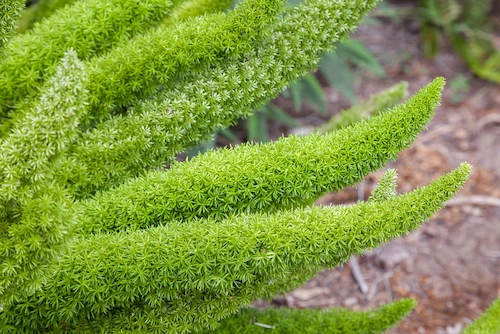
Foxtail fern is an ornamental shrub native to South Africa, particularly Mozambique. As the name suggests, this plant has a unique appearance resembling a squirrel’s tail, with long leaves that grow upright.
Bromeliad
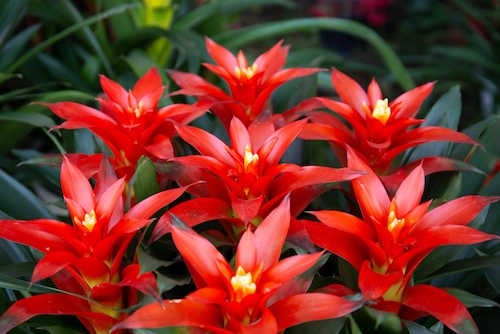
Bromeliad is an ornamental plant native to tropical regions in Central and South America. This plant belongs to the Bromeliaceae family, which comprises thousands of species with a wide range of leaf shapes, sizes, and colors.
Bromeliads are well known for their exotic appearance, especially their rosette-shaped leaf arrangement and vibrant leaf colors such as red, yellow, green, and orange.
One of the unique features of bromeliads lies in the center of their leaves, which can store water. This structure helps the plant survive in tropical environments while also serving as a natural water reserve.
Myrtle
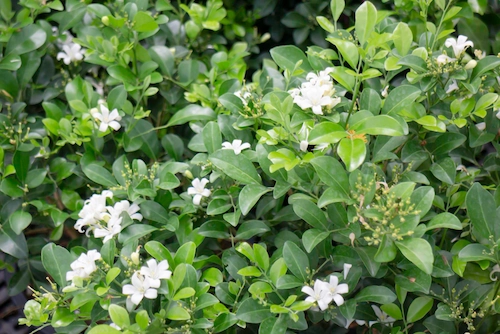
Myrtle has the Latin name Malpighia coccigera and belongs to the Malpighiaceae family. This plant is quite popular among ornamental plant enthusiasts.
Myrtle is also commonly used as a bonsai plant and has a fairly high resale value. This is because it has a hard stem, many branches, and elongated twigs, making it easy to shape. Moreover, its leaves are small and wavy, growing densely, giving the plant a unique and attractive appearance.
Read also: 8 Ornamental Plants That Can Grow in Water & Their Benefits
That concludes the discussion about shrubs, from their definition and characteristics to the various types often used as ornamental plants.
Besides enhancing the look of gardens and home yards, shrubs can also help create a greener, more refreshing, and visually pleasing environment.
Planting and caring for plants around the house can be one simple step toward preserving the environment. To support the creation of a greener, more sustainable environment, you can also take part alongside Indonesia Asri.
Together with Indonesia Asri, you can contribute through simple actions that create a positive impact on the surrounding environment, including campaigns like Jejak Asri.
Through Jejak Asri, you can share inspiring stories about small actions that have a positive impact on the environment while encouraging more people to care about preserving the Earth.
Submit your inspiring story before October 16, 2026, for a chance to win prizes worth millions of rupiah. Register now and let’s work together to keep Indonesia’s environment green and sustainable!
Read also: 13 Types of Aesthetic Indoor Air-Purifying Plants