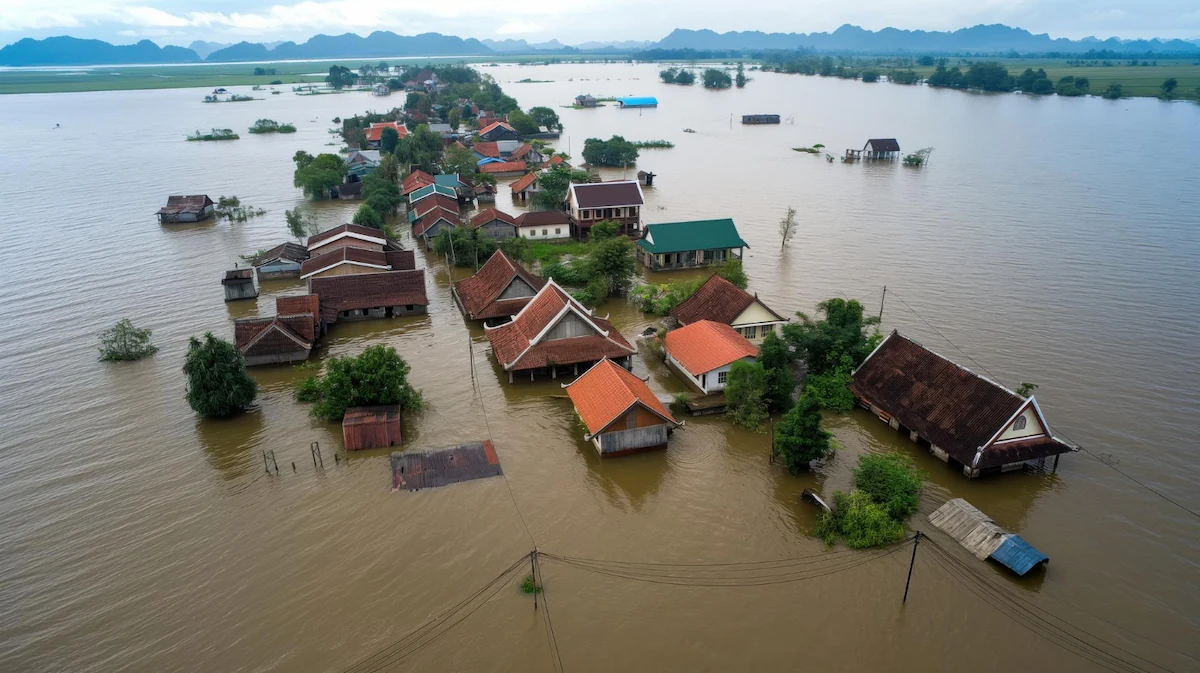
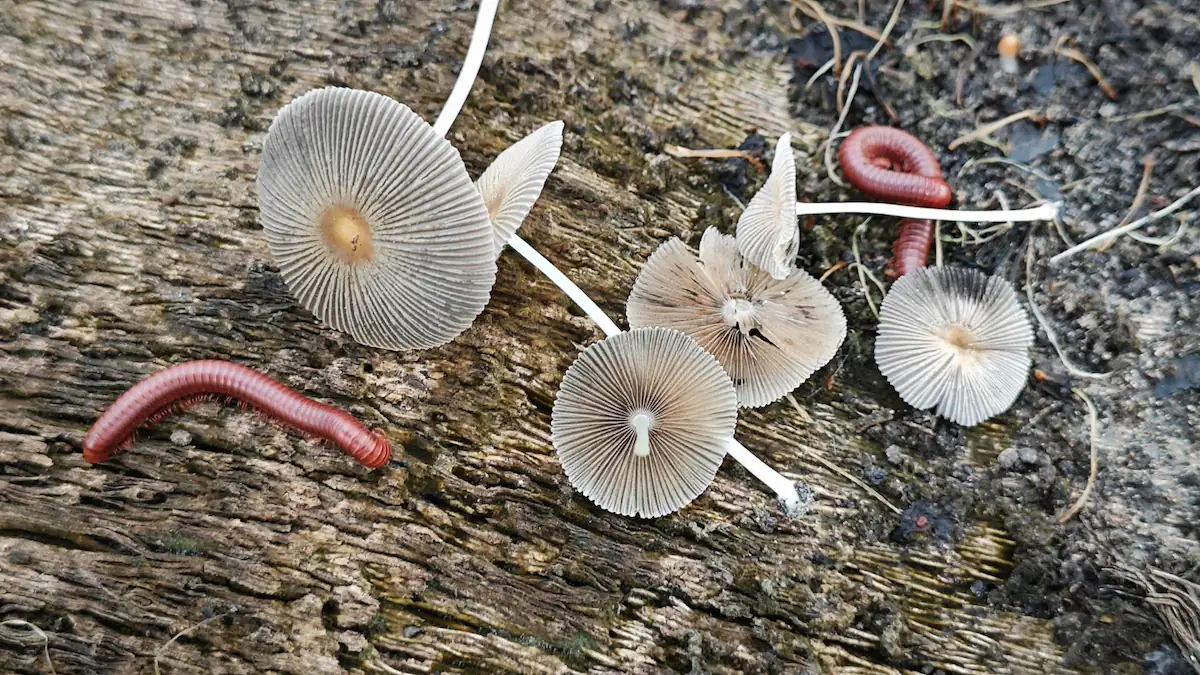
When an organism’s life comes to an end, an important process occurs in the ecosystem. This process is carried out by organisms called decomposers. Given the importance of this process, it can be said that decomposers are one of the keys to maintaining the balance of nature.
In this article, you will find complete answers and facts about decomposers, including their definition and types, their role in the ecosystem, and an overview of the processes they carry out. Check out the following explanation!
What Is a Decomposer?
A decomposer is an organism that breaks down unused organic waste into simpler substances that plants or other animals can use. The breakdown of organic matter by decomposers is called decomposition.
You have probably heard the terms producers and consumers. In an environmental context, producers are organisms that can produce their own food through photosynthesis. Consumers obtain energy through eating plants or other animals.
In addition to producers and consumers, decomposers also play a role in ecosystem interactions. The interaction between these three groups supports the balance of nature and soil fertility.
The contribution of decomposers to increasing soil fertility is also explained in an article in JOMPA ABDI: Journal of Pengabidian Masyarakat. The article discusses the process of making household organic waste-processing tools from environmentally friendly materials.
Research involving the Idum Abadi Women Farmers Group has resulted in effective compost for fertilizing vegetables and ornamental plants in yards. In the process, the use of decomposer technology can accelerate waste decomposition, making it more efficient and more environmentally friendly.
The Role of Decomposers in the Ecosystem
As mentioned earlier, the main role of decomposers is to decompose dead organisms. However, the role of decomposers is not limited to the decomposition process, but also includes the following:
- Cleaning the environment: The decomposition process can reduce the risk of carcass accumulation, which can cause environmental pollution. Each household can optimize decomposition by composting kitchen waste. Vegetable, fruit, and leaf scraps can be placed in a special bucket to decompose and be used to maintain soil fertility.
- Providing space for new life: Areas previously covered by dead organic residues can be transformed into spaces for new organisms to grow. This is necessary to maintain biodiversity.
- Maintaining the biogeochemical cycle: Decomposers play a role in the circulation of important chemical elements (such as carbon, nitrogen, and phosphorus) from living things to the environment and back again.
- Regulating the food chain: Complex organic compounds are converted into simple inorganic compounds, which producers can use to grow. Thus, the presence of decomposers in the food chain helps maintain the food chain’s stability.
- Performing nitrogen fixation and decomposition: Nitrogen fixation is mainly carried out by specialized bacteria, such as Rhizobium. Some decomposers play a role in converting nitrogen into simpler forms, such as ammonia, nitrite, and nitrate. Furthermore, these elements can be absorbed by plants and used by other organisms.
Read also: Ecological Pyramid: Types and Ecosystem Protection
Types of Decomposers
There are four types of decomposers involved in the decomposition process, namely:
Microbes
Microbes are very small organisms that can only be seen with a microscope. Organisms classified as microbes include fungi, bacteria, and protozoa. Among these three microbes, bacteria are most commonly found in nature.
Microfauna
Like microbes, microfauna are also very small and cannot be seen with the naked eye. Examples of microfauna that decompose include protozoa, such as nematodes, small flatworms, rotifers, and tardigrades (eight-legged invertebrates).
Meiofauna
The third type of decomposer is meiofauna. These organisms range in size from 0.1 to 1 mm. Meiofauna includes nematodes (roundworms), tardigrades, and rotifers.
Macrofauna
As the name suggests, macrofauna are larger than the previous three types, measuring more than 1 mm in size. Organisms classified as macrofauna include snails, insects, Lumbricus (earthworms), and cockroaches.
Decomposition Process
Generally, decomposition occurs in several stages. The following is a description of each stage:
Fragmentation
Fragmentation is the initial stage of decomposition, carried out by detritivores such as earthworms and soil insects. At this stage, large dead organisms are broken down into smaller pieces or detritus. The fragmentation increases the surface area of organic material, making it easier for microorganisms to decompose.
Leaching
After being fragmented, organic particles contain water-soluble nutrients. These nutrients are usually inorganic elements that plants can utilize. Next, rainwater or groundwater will carry them into the soil layer where plant roots are located.
Catabolism
In this third stage, fungi and bacteria release enzymes into the environment. These enzymes break down complex organic compounds, including carbohydrates, proteins, and fats, into simpler inorganic compounds. Essentially, this stage is the core of the decomposition process.
Humification
Humification is the process of forming humus, a dark layer of soil rich in nutrients. Humus can remain in the soil for a long time because it is composed of complex substances that are difficult to further decompose. Humus helps improve soil structure, fertility, and water retention capacity.
Mineralization
During mineralization, organic matter is converted into inorganic minerals. This process produces important nutrients that plants can absorb, including nitrate (NO3–) and phosphate (PO43–). Additionally, other substances, such as CO2, H2O, NH4+, Ca2+, and SO42–, are released into the soil and the environment.
Read also: What Is Organic Waste? Find Out the Types and Benefits!
Examples of Decomposers
The following are some examples of decomposers divided by ecosystem:
- Decomposers in desert ecosystems: Beetles, bacteria, and millipedes.
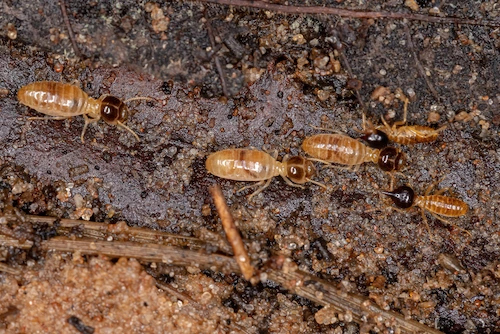
- Decomposers in grassland ecosystems: Termites, acid bacteria, and fungi.
- Decomposers in mountain ecosystems: Bolete mushrooms, other fungi, and mountain pine beetles.
- Decomposers in forest ecosystems: Snails, earthworms, soil bacteria, fungi, slime molds, land crabs, centipedes.
- Decomposers in aquatic ecosystems: Freshwater bacteria, worms, clams, lobsters, mildew fungi, trumpet snails, water fungi, yeast, crabs, sea urchins, and granular starfish.
That concludes the information on decomposers. Given their crucial role in maintaining ecosystem balance, decomposers break down organic compounds, protecting their populations and habitats.
Some ways to protect decomposers include avoiding water and soil pollution, reducing pesticide use, and avoiding practices that damage soil structure.
In addition to the explanation above, you can also actively participate in various environmental conservation programs with Indonesia Asri. Interestingly, environmental conservation programs at Indonesia Asri are always packaged in a unique, exciting, and contemporary format, such as #AksiAsri.
A healthy, beautiful environment is an essential investment that must be prepared for future generations. Register as a Warga Asri now and take an active role in preserving the Earth!
Read also: Various Benefits of Compost for Boosting Plant Productivity