

Table of Contents
In recent years, more innovations have emerged to support sustainable waste management. One of the most frequently discussed innovations is the use of biodegradable materials.
What are biodegradable materials? In simple terms, biodegradable materials are specifically designed to facilitate a faster natural decomposition process without leaving harmful residues in the environment.
The use of biodegradable products is growing rapidly, in line with the increasing demand for efficient waste management solutions and the development of a circular-based economy.
This article will explore in depth how biodegradable materials work, their benefits, and their role in supporting a circular-economy-based waste management. Check it out!
What Is Biodegradable?
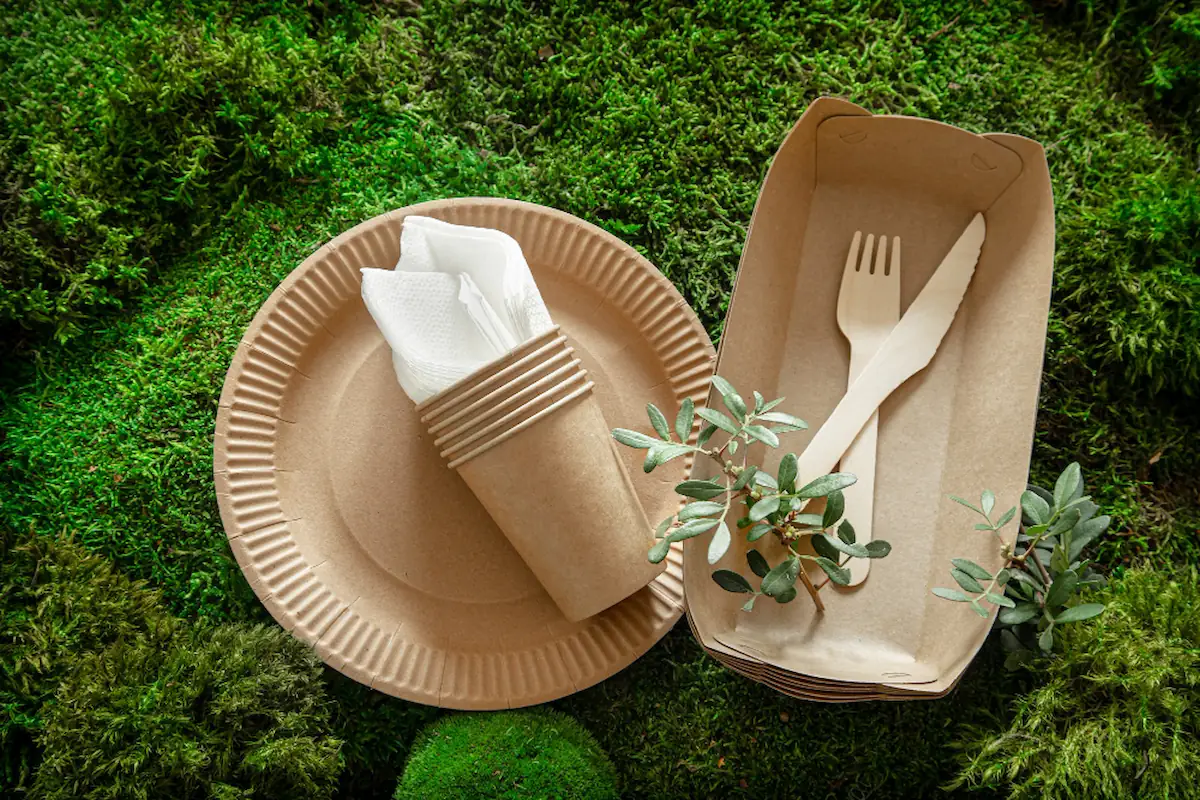
By definition, biodegradable is the ability of a material to break down naturally within a relatively short time through biological processes by microorganisms.
Under European Union standards, at least 90% of biodegradable products must decompose within 6 months to be classified as biodegradable.
Materials categorized as biodegradable can be derived from natural resources, such as starch, plant fiber, or polymer blends formulated to degrade more quickly.
The advantage of biodegradable materials is their support for better waste management by accelerating decomposition and reducing residue accumulation.
Types of Biodegradable Materials
There are various types of biodegradable packaging materials used today. The following are some types of biodegradable packaging commonly found in daily use:
- Hemp: Hemp is derived from the Cannabis sativa plant and is a strong, versatile, biodegradable material. This material has great potential as a packaging alternative due to its excellent mechanical properties.
- Paper: One of the oldest biodegradable packaging materials. This material is easy to process, decomposes quickly, and can be recycled. It is widely used for dry food packaging, shopping bags, and everyday product wrapping.
- Cellulose: It is derived from plant fibers and readily decomposes through biological processes. This material is often used for short-term packaging, such as transparent wrapping or lightweight bags.
- Seaweed: A renewable packaging alternative with high biodegradability. This material can be the best option for short-term product packaging.
- PLA (Polylactic Acid): PLA is a bioplastic made from renewable sources such as corn, sugarcane, or plant starch. This material can be molded to resemble plastic commonly used in product packaging or food containers.
Read also: Open Dumping: Definition, Characteristics, and Effects for the Environment
Benefits of Biodegradable Products
Biodegradable products are designed to return to nature easily, making their use offer many benefits, including the following:
Reducing Carbon Footprint

Biodegradable products generally require less energy to produce than petroleum-based materials.
This is because most biodegradable materials are derived from renewable feedstocks such as starch and plant fibers, which require simple processing and do not rely on crude oil extraction.
Additionally, the decomposition of biodegradable products does not produce harmful gases when properly managed. This significantly reduces carbon emissions, enabling their use to contribute to climate change mitigation efforts.
Minimizing Soil and Water Pollution
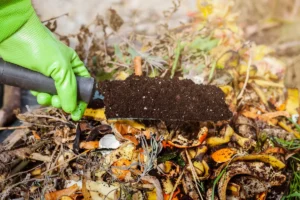
When biodegradable materials break down, the process produces organic matter that benefits the soil. This organic content helps improve soil fertility, enhance soil structure, and support the soil’s water retention capacity.
In addition, biodegradable products and compost can yield nutrient-rich compost that is highly valuable for sustainable agriculture and gardening.
Protecting Wildlife and Ecosystem
The ability of biodegradable products to decompose naturally allows them to reintegrate more easily into the environment.
When processed within an appropriate management system, their decomposition occurs safely and does not disrupt ecosystem balance.
The degradable nature of biodegradable products helps create cleaner, more stable habitats for wildlife, both on land and in aquatic ecosystems.
Reducing Waste Accumulations in Landfills
Faster biodegradation of biodegradable products reduces the volume of waste that accumulates in landfills.
With less waste accumulation, landfill capacity can be optimized, and the risk of soil and water contamination around the landfills can be reduced.
This is especially critical in urban areas with limited land availability and rising waste volumes, making biodegradable products an effective way to reduce pressure on landfill capacity.
Supporting Circular and Sustainable Economy
Many biodegradable products are made from renewable materials, such as starch, plant fibers, or eco-friendly biopolymers. The use of these materials can support the circular economy, in which resources can safely return to nature.
Additionally, the growing demand for biodegradable products is driving innovation in the green industry, with a focus on waste reduction and resource efficiency.
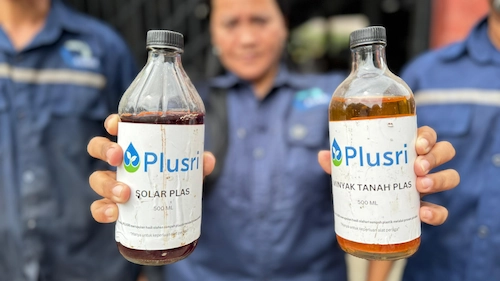
One example of innovation is the development of environmentally friendly materials, such as PLUSRI, a renewable fuel produced by Chandra Asri Group.
PLUSRI is a renewable fuel innovation, produced via pyrolysis of plastic waste. PLUSRI is expected to serve as an alternative to kerosene or diesel for household use by small and medium enterprises.
Read also: Knowing Environmentally-Friendly Lifestyles and Their Benefits
How to Identify Biodegradable Products
To avoid selecting the wrong product, there are several simple ways to determine whether a product decomposes naturally. Here is the guide:
- Check the packaging label for claims such as biodegradable or similar terms.
- Look for official certification such as EN 13432, ASTM D6400, or the TÜV Austria logo.
- Make sure to include information on the degradation rate, such as that 90% of the material decomposes within 6 months.
- Check if the product is made from natural resources such as starch or plant fibers.
- Visit the manufacturer’s websites to confirm whether biodegradability tests or reports are available.
In conclusion, understanding biodegradability is essential, as its ability to decompose naturally helps maintain environmental balance.
Recognizing the benefits of biodegradable products can also raise your awareness of the everyday products you use and their effect on the planet’s sustainability.
If you would like to support the use of eco-friendly products further, you can join Indonesia Asri and participate in the #AksiAsri campaign.
Through this program, you can participate in various sustainability-themed challenges and have the opportunity to win prizes for each activity.
Sign up now to become an active Asri Citizen and contribute to a cleaner, healthier, and more sustainable environment!
Read also: 10 Examples of Organic Waste and Its Types You Should Know