


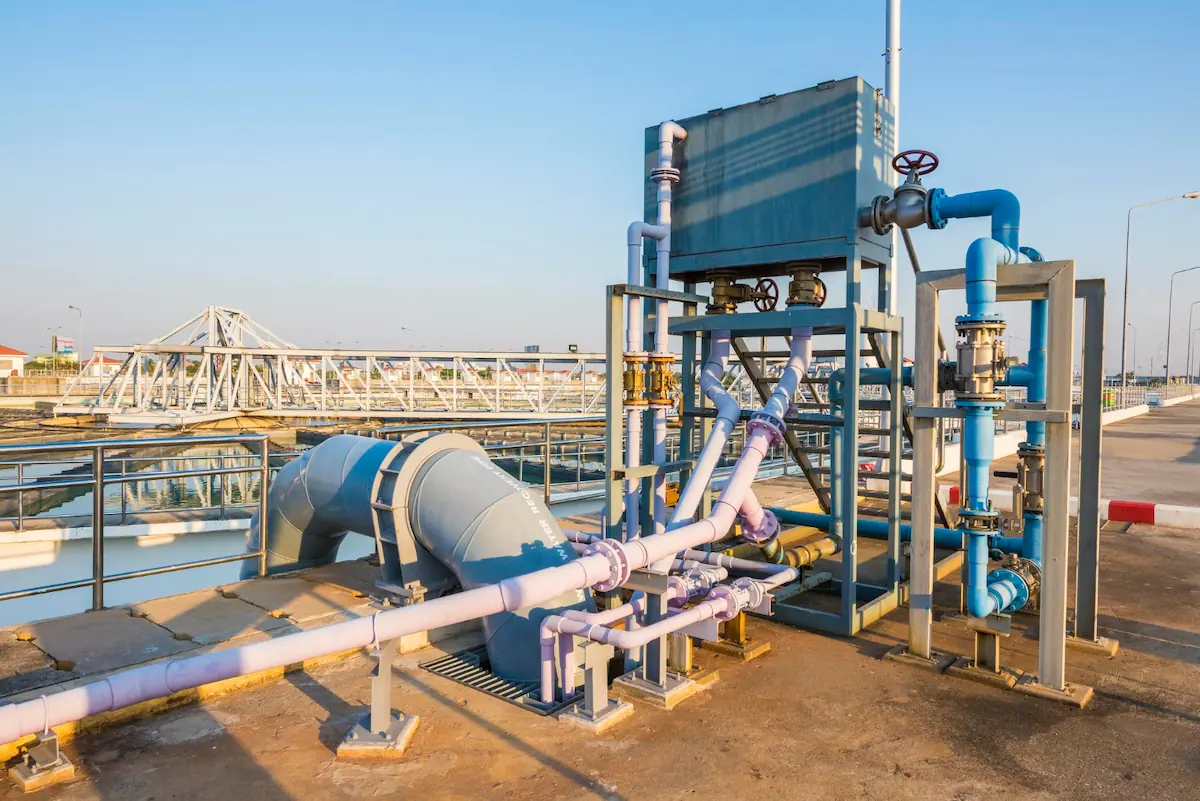
Table of Contents
Warga Asri, have you ever considered that seawater can be converted into freshwater for daily use? Amid increasing freshwater needs, many countries are adopting technologies to enable this approach.
This technology, known as desalination, has recently become a hot topic because it offers a real solution to the problem of an increasingly limited freshwater supply. Climate change and population growth also drive increasing demand for this technology.
Learn more related to desalination, related to how it works, and its important roles in maintaining global freshwater supply.
What Is Desalination?
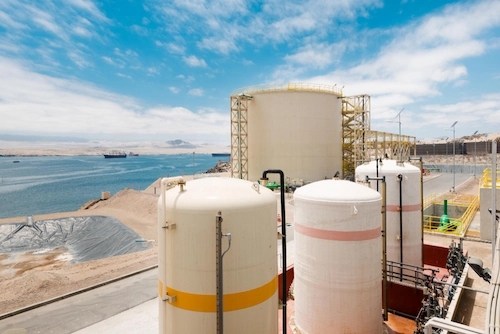
Desalination is a process for removing salts and minerals from seawater or brackish water to produce potable freshwater.
One purpose of desalination is to provide alternative water sources to meet community needs under various conditions.
Later on, water produced by desalination can be used for a variety of needs, ranging from potable water and irrigation to industrial use.
Today, desalination technology is an essential solution in areas with limited clean water or where natural water reserves are absent.
Benefits of Desalination
Desalination offers many crucial benefits to fulfill water needs amidst limited freshwater reserves. Generally, here are the benefits of desalination:
Improved Clean Water Supply
Desalination can produce freshwater from saline water. This technology helps meet freshwater needs when reserves are limited.
Water produced by desalination can also be treated to be potable. This can support many facilities, including hospitals, schools, and community service centers.
Reduced Dependency on Groundwater
Using desalination helps reduce groundwater overexploitation. Many areas of the Earth’s surface have declined due to ongoing groundwater extraction. By using the alternative, groundwater withdrawal exploitation can be reduced.
Reducing groundwater dependence also helps mitigate seawater intrusion. This condition typically happens in coastal areas with a freshwater supply deficiency.
Read more: Figure Out How to Save Water with These 7 Easy Tips!
Improved Long-Term Water Sustainability
Desalination is present as a strategic solution to maintain a clean water supply in the future. This technology is not dependent on rainfall, which is becoming harder to predict due to climate change.
By using abundant seawater, desalination provides a more stable, reliable water supply over the long term.
Long-term water sustainability is essential, particularly in densely populated and industrial areas that require a reliable water supply to support economic growth and sustainable construction.
Improved Condition of Areas with Water Crisis
Thanks to desalination, areas prone to frequent drought or lacking natural freshwater reserves can readily secure water. This way, they will not depend too much on rainfall alone.
In addition, desalination can reduce water distribution costs, which are relatively high in remote areas. Water can be produced directly on site without acquiring it from other regions.
Guaranteed Water Supply for Agriculture and Industrial Sector
Desalination can provide a sufficient water supply to support modern agriculture. Stable water provision helps improve plant productivity, especially in dry areas. This results in more climate-adaptive agricultural activities.
Beyond agriculture, many industrial sectors are also highly dependent on a reliable water supply. Desalination ensures production continues despite limited freshwater availability. With a guaranteed supply, more optimal industrial growth can be reached.
How Desalination Works
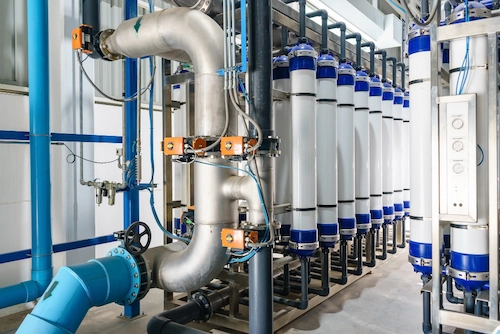
There are many techniques for removing salt from seawater. Most desalination processes are a series of removal processes divided into two primary methods. Here is the explanation:
Thermal Desalination
Thermal desalination uses thermal energy to remove salt from seawater. Water is heated to generate steam, and the steam is cooled to produce freshwater.
Meanwhile, salt and other minerals remain in the heating container. This process mimics the natural evaporation cycle in the ocean, but thermal desalination is conducted in a more controlled, efficient environment.
Examples of thermal desalination include multi-stage flash distillation (MSF) and multi-effect distillation (MED).
MSF gradually heats seawater in a few low-pressure chambers to allow evaporation to occur faster. On the other hand, MED uses heat from one phase to drive the next, improving energy efficiency.
Both techniques are commonly used in Middle Eastern countries that require high-volume water supply throughout the years.
Membrane-Based Desalination
In membrane-based desalination, seawater flows through a membrane that filters out water molecules and retains salt and other particles.
One of the most common membrane-based desalination methods is reverse osmosis. This method is known for its energy efficiency and its ability to remove a range of contaminants, including bacteria and viruses.
Moreover, reverse osmosis enables high-volume water production with relatively low energy consumption compared to other desalination methods.
This concludes the explanation of desalination, one of the key innovations to address water supply amid climate change and growing community needs.
Understanding how desalination works, its benefits, and methods increases awareness of the importance of sustainable lives and environments.
Water management is only one of many means to maintain the Earth’s sustainability. Forest preservation also plays a significant role in maintaining ecosystem balance and protecting natural resources.
If you want to take tangible action to preserve the environment, join Indonesia Asri through the #AksiAsri campaign.
Programs in Indonesia Asri enable you to participate in various challenges while contributing to forest preservation. In addition to these benefits, the challenges offer an opportunity to win an interesting prize.
Sign up now to become one of Warga Asri who are eager to help preserve nature. Together, we can create a greener, healthier, and more sustainable future!
Read more: 8 Benefits of AC Water and Ways to Reuse It!