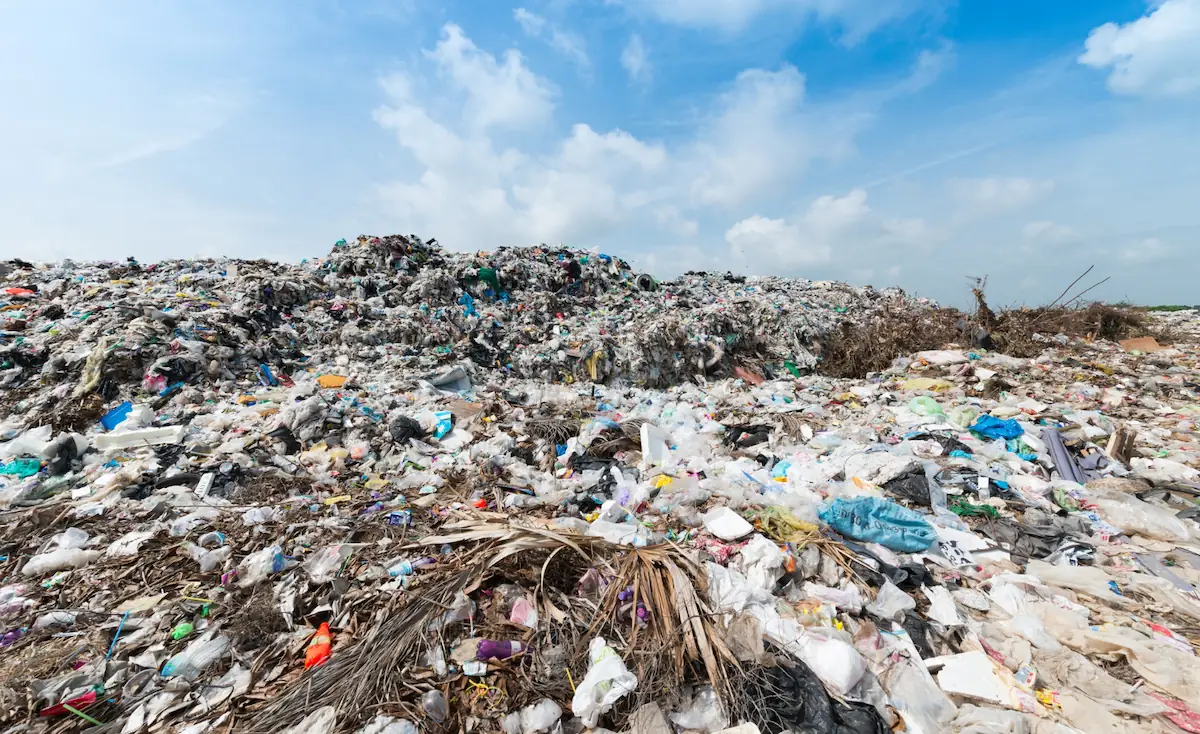
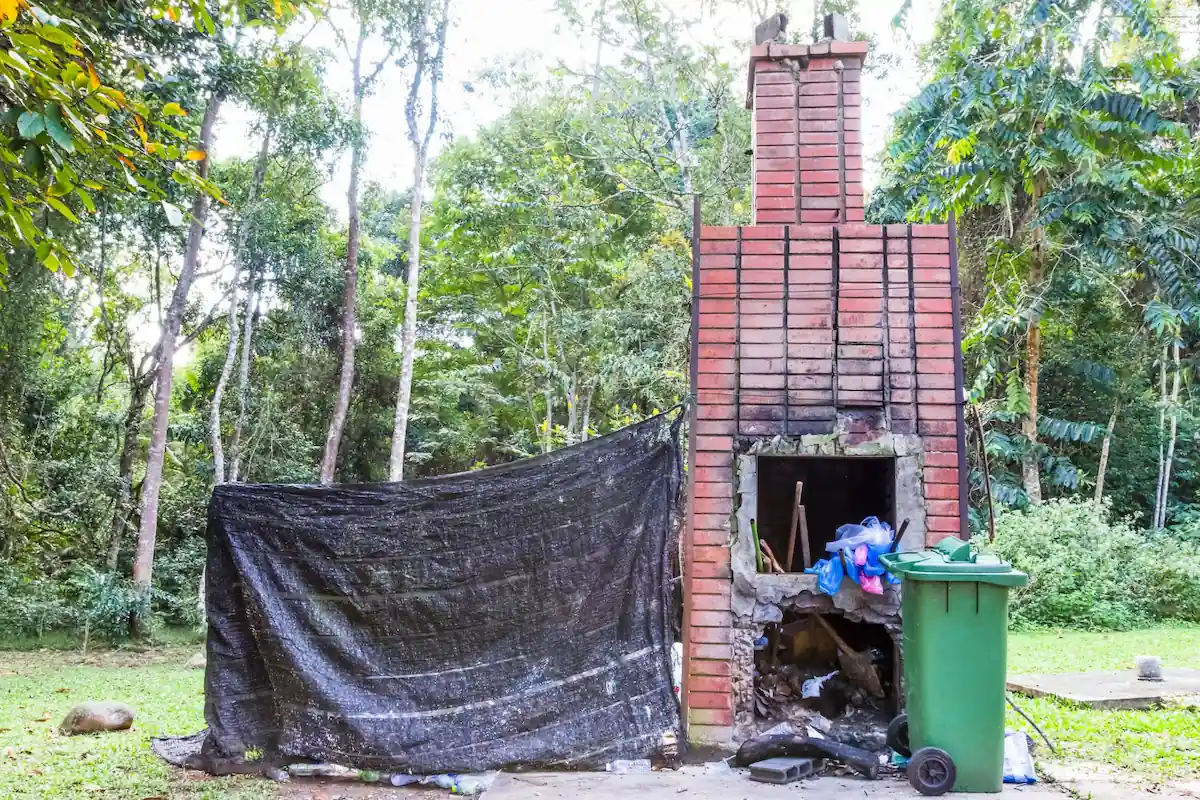
Every day, various activities generate waste. This waste must be managed properly to prevent potential problems. One technology that is now commonly used to support the waste management process is an incinerator.
An incinerator is a device that operates by utilizing high-temperature combustion. Although it is often mentioned in discussions about waste management, not everyone understands how it works or the different types of incinerators available.
Curious about the functions, how they work, and the various types of incinerators? Let’s take a look at the full discussion in this article!
What Is an Incinerator?
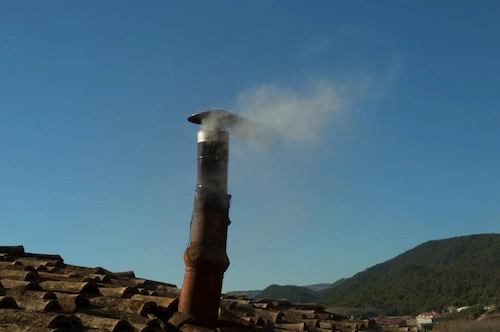
An incinerator is a device or facility used to process trash or waste through high-temperature combustion. This technology is designed to reduce the volume and weight of waste, making it easier to handle in subsequent management stages.
These facilities are generally used to process waste that other methods cannot handle due to its specific characteristics, such as medical waste, certain types of industrial waste, or residues from waste treatment processes.
To ensure environmentally friendly operations, modern incinerators are usually equipped with emission control systems that help filter exhaust gases before releasing them into the air. This allows the waste treatment process to run more efficiently while meeting established emission standards.
How an Incinerator Works
In general, incinerator technology operates through gradual high-temperature combustion. The way a waste incinerator works is as follows:
1. Waste Is Placed in the Combustion Chamber
The process begins by placing the waste into the main combustion chamber. At some facilities, the waste undergoes a sorting or conditioning process first, based on its characteristics, to ensure more effective combustion.
2. Waste Is Incinerated at High Temperatures
Once in the main combustion chamber, the waste is incinerated at temperatures ranging from approximately 850 to 1,100°C. These high temperatures help break down organic material while significantly reducing the volume and weight of the waste.
3. Combustion Gases Are Further Treated
The gases produced by combustion are then channeled into a secondary combustion chamber. At this stage, temperatures can reach 1,000–1,200 °C to help fully burn any remaining organic compounds, ensuring the process runs more efficiently.
4. Emissions Are Filtered Before Release
Before being released into the atmosphere, the exhaust gases pass through an emissions control system, such as a bag filter, scrubber, or electrostatic precipitator. These systems help filter out particles and certain substances to ensure that the resulting emissions meet established quality standards.
5. Residue Managed in Accordance with Regulations
Once incineration is complete, the waste leaves behind ash with a volume significantly smaller than before. Although the volume has decreased, this residue must still be managed according to its characteristics to ensure safe handling.
Related Article: How to Get Rid of Trash Properly: A Guide to Sustainable Waste Management
Types of Incinerators
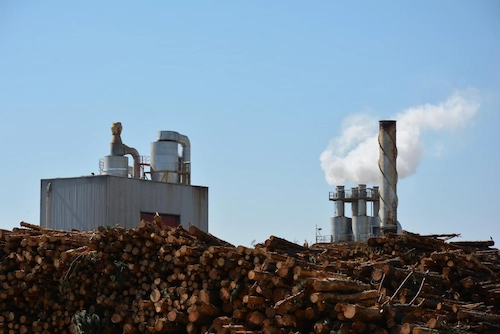
Based on their design and the types of waste they can process, incinerators can be categorized into several types. The following are the commonly used types of incinerators along with their characteristics:
Fluidized Bed Incinerator
A fluidized bed incinerator uses a layer of sand or similar material through which air is blown from below, creating a fluid-like state. This system helps distribute heat evenly, ensuring the combustion process is more efficient and stable.
Generally, fluidized bed incinerators operate at temperatures of 850–950°C and are used to process municipal solid waste, biomass, and waste with relatively uniform characteristics.
Fixed Grate Incinerator
A fixed grate incinerator uses a stationary grate as the combustion chamber for waste. The waste remains on the grate throughout the combustion until only ash residue remains. This type generally operates at 850–1,100°C and is widely used to process solid waste at small to medium capacities.
Moving Grate Incinerator
A moving grate incinerator is equipped with a system that continuously feeds, moves, and mixes waste during combustion. This mechanism helps maintain stable and efficient combustion.
These facilities typically operate at temperatures of 850–1,100°C and are widely used in energy-from-waste (EfW) facilities to process municipal and industrial waste.
Don’t Miss: 7 Organic Waste Management Ideas, From Simple to Complex
Rotary Kiln Incinerator
A rotary kiln incinerator uses a cylindrical combustion chamber that rotates slowly during the process.
The combustion in a rotary kiln incinerator occurs at around 850–1,200°C, enabling it to process various types of waste effectively. Therefore, this facility is widely used in industries, hospitals, and specialized waste treatment facilities.
Liquid Waste Incinerator
As the name suggests, a liquid waste incinerator is specifically designed to process liquid waste. Before incineration, the waste is sprayed through a nozzle to break it down into fine droplets, making the combustion process more effective.
This type of incinerator generally operates at temperatures of 900–1,200°C and is widely used in the chemical, petrochemical, and pharmaceutical industries, as well as in other sectors that generate liquid waste.
Advantages and Disadvantages of Incinerators
Every waste treatment technology has its own advantages and limitations, and incinerators are no exception. Here are a few things you should know about the pros and cons of incinerators:
| Advantages of Incinerators | Disadvantages of Incinerators |
|
|
Incinerator Applications
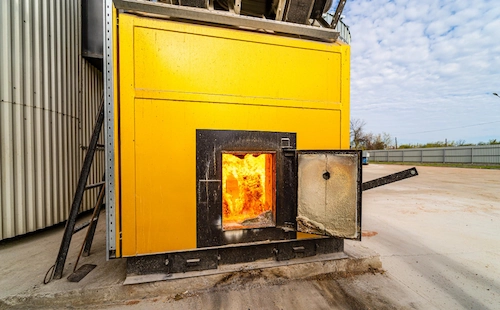
Incinerators have a wide range of applications, from the livestock sector to healthcare facilities, with the types of waste processed tailored to their technical capabilities. Here are a few examples:
- Livestock waste: Incinerators can be used to process various byproducts of livestock operations, such as bedding, leftover feed, and animal carcasses. On-site processing can help reduce the volume of material that needs to be handled while supporting more hygienic management.
- Animal waste: Incinerators can be used to process animal carcasses and byproducts from livestock operations that require special handling.
- Medical and hazardous waste: Incinerators are widely used to process medical waste, such as sharps, used bandages, and contaminated materials, as well as hazardous waste. The high-temperature combustion and secondary combustion chamber in incinerators help ensure safer medical waste processing.
- General waste: Incinerators can also be used to process general waste from households, commercial areas, and certain industrial facilities. This technology can also be applied in locations with limited transportation access, provided the types of waste being processed meet the specifications of the available facilities.
Let’s Protect Our Environment Together with Indonesia Asri!
Understanding this waste treatment technology is one step toward learning about various efforts to protect the environment. In addition to sorting waste and managing it properly without harming the environment, you can also start adopting a more sustainable lifestyle. One way to do this is by choosing vehicles that run on more environmentally friendly fuels to improve air quality.
If you’re looking to take your environmental efforts a step further, you can join Indonesia Asri through various activities under #AksiAsri.
Through #AksiAsri, you can take part in a range of inspiring activities, ranging from Jejak Asri, where you can share your environmental initiatives and stories, to Operasi Semut, which encourages you to sort your waste more wisely and take responsibility for the waste you produce. Sounds interesting, right?
Register yourself as a Warga Asri and start taking part in various concrete actions to create a cleaner, healthier, and more sustainable environment!
More on This Topic: 8 Ways of Organic Waste Management, Easy and Eco-Friendly!