Maritime transport plays a vital role in the global distribution of goods. However, despite its benefits, shipping activities also have the potential to cause pollution that harms marine ecosystems. Without proper regulations, these impacts could extend further and disrupt human life as well.
To address this challenge, an international regulation known as MARPOL was established to prevent pollution caused by ships. Curious to learn more about what MARPOL is and why it matters? Let’s explore the full explanation in the following discussion!
What Is MARPOL?
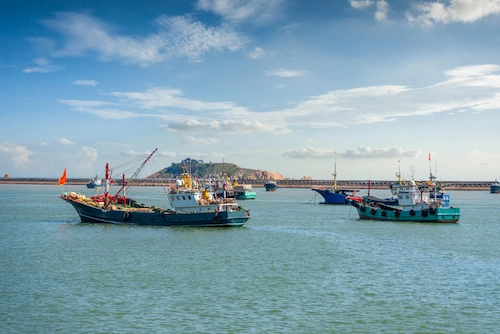
MARPOL stands for Marine Pollution. More specifically, MARPOL is known as the International Convention for the Prevention of Pollution from Ships, an international convention aimed at reducing marine pollution caused by shipping activities.
This convention was adopted by the International Maritime Organization and has since become a global standard that must be followed by member states involved in the shipping industry.
Simply put, MARPOL is an international set of rules governing how ships must manage their waste and operations to prevent marine pollution. These rules cover various types of pollution, including:
- Liquid waste.
- Ship garbage.
- Oil spills.
- Hazardous chemicals.
- Air pollution from ships.
Brief History of MARPOL
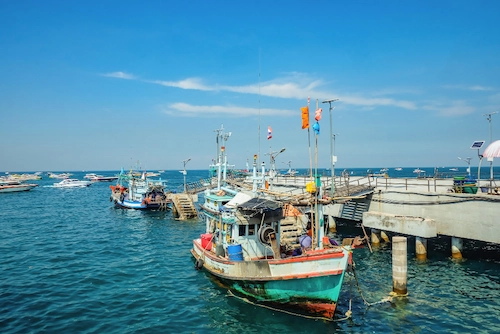
MARPOL was first adopted in 1973 by the International Maritime Organization (IMO) in response to increasing marine pollution caused by shipping activities.
However, the initial implementation of this convention was not fully effective due to the limited number of ratifications by various countries. The situation became increasingly urgent following the Torrey Canyon oil spill tragedy in 1967 off the coast of England. An estimated 120,000 tons of crude oil spilled into the sea, causing severe damage to marine ecosystems and coastal areas.
As a follow-up to these challenges, the IMO subsequently issued the 1978 Protocol, which strengthened and expanded the provisions of the previous convention. The combination of the 1973 Convention and the 1978 Protocol is now known as MARPOL 73/78.
MARPOL came into force internationally in 1983 and has since undergone various updates to align with developments in the maritime industry and global environmental issues.
Today, MARPOL has been adopted by 156 countries, including Indonesia. As such, MARPOL has become one of the most important regulations in efforts to protect the marine environment.
Read also: How to Reduce Water Pollution to Maintain Water Quality
The Purposes of MARPOL
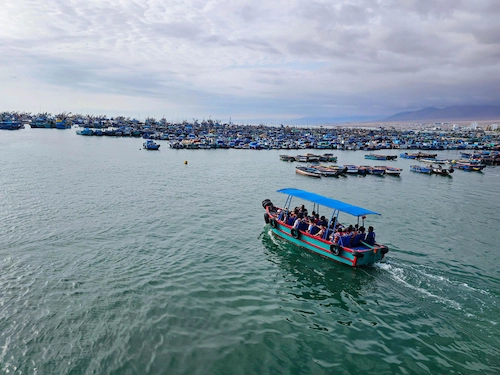
The International Convention for the Prevention of Pollution from Ships was established as a global effort to control and prevent marine pollution caused by ship activities.
This regulation not only focuses on environmental protection but also establishes more responsible operational standards within the maritime industry. The primary objectives of MARPOL include:
Reducing Marine Pollution from Ship Waste
MARPOL restricts the discharge of waste into the sea, whether in the form of oil, chemicals, or garbage. Under these regulations, ships are prohibited from indiscriminately discharging waste, thereby maintaining the quality of seawater.
Regulating Safe Waste Management
Every ship is required to have a waste management system that meets established standards, covering storage, processing, and safe disposal. This is done to prevent waste from directly polluting the sea and to ensure it is properly managed.
Controlling Air Emissions from Ships
In addition to marine pollution, MARPOL also sets limits on exhaust gas emissions such as sulfur oxides (SOx) and nitrogen oxides (NOx) from ships. The goal is to reduce air pollution and its impact on climate change and human health.
Reducing the Risk of Oil Spills at Sea
These regulations also establish safety and design standards for ships, such as the use of double hulls on tankers and emergency response procedures. Thus, the risk of oil leaks or spills that could damage marine ecosystems can be minimized.
Read also: Mangrove Forest, Coastal Ecosystems with Countless Benefits
Types of Annexes in MARPOL
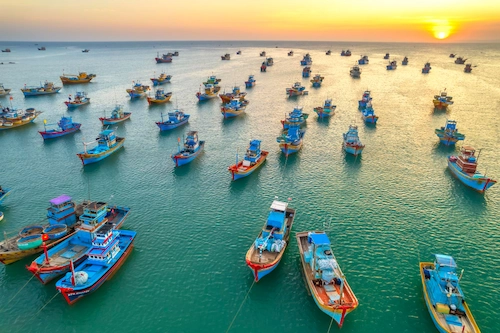
MARPOL consists of six annexes, each regulating different types of pollution resulting from ship activities. This division is designed so that each source of pollution can be controlled specifically and effectively according to its characteristics. The following are the types of annexes in MARPOL:
- Annex I (Oil Pollution): This annex helps prevent marine pollution caused by oil, whether from routine ship operations or accidents such as oil spills. These regulations also include requirements for the use of technologies, such as double hulls on oil tankers, to reduce the risk of leaks.
- Annex II (Dangerous Liquid Substances): Regulates the transport and disposal of dangerous liquid chemicals transported in large quantities. This annex establishes strict standards on the disposal of substances to prevent marine pollution.
- Annex III (Hazardous Substances in Packages): Controls the handling of packaged hazardous materials, including rules on labeling, documentation, and storage. The objective is to ensure that hazardous materials do not pollute the sea during the distribution.
- Annex IV (Sewage): This Annex restricts the discharge of sewage from ships. Discharge is permitted only if the sewage has been treated using an appropriate system or is discharged at a certain distance from land.
- Annex V (Ship Garbage): Controls the management of garbage from ships, including a ban on discharging both domestic and operational waste into the sea. This annex is a key component in efforts to reduce marine pollution caused by waste.
- Annex VI (Air Pollution from Ships): Regulates ship exhaust emissions, including sulfur oxides (SOx) and nitrogen oxides (NOx). Additionally, this annex promotes the use of more environmentally friendly fuels to reduce air pollution.
That is an overview of MARPOL, covering its definition, objectives, and role in preventing marine pollution caused by ship activities. By understanding these regulations, you can become more aware of the importance of protecting marine ecosystems and supporting more environmentally friendly shipping practices.
Efforts to protect the environment do not only depend on regulations like MARPOL, but also on the small actions you take every day. From not disposing of trash carelessly to supporting a sustainable lifestyle, everything can have a positive impact if done consistently.
If you want to get more involved in concrete actions to protect the environment, you can join the environmental movement with Indonesia Asri.
Through the Jejak Asri campaign, you can share inspiring stories while showcasing the small steps you have taken to help protect the Earth.
Every story you submit also has the chance to win prizes worth up to millions of rupiah if selected. So, register now to become a Warga Asri and share your best story before October 16, 2026!
Read also: Desalination: Definitions, Benefits, and Processes