


Table of Contents
Undeniably, many activities in human life still depend on fossil fuels, including oil-fueled transportation. In fact, excessive consumption of fossil fuels risks triggering serious impacts on human health and environmental sustainability.
Considering this phenomenon, understanding the concept of renewable energy has become increasingly important. To understand the role of renewable energy in ensuring the sustainability of daily life, see the discussion below!
What Is Renewable Energy?
Renewable energy is energy sourced from the Earth and naturally replenished. As a result, this energy source will not run out, and all living things can utilize it continuously. In Indonesia, the potential for renewable energy is extensive and diverse, spanning solar and hydropower.
This potential is an essential asset in reducing dependence on fossil fuels such as coal, oil, and natural gas. This is because fossil fuels are limited, take millions of years to form, and pose a risk of serious ecological impacts.
Types of Renewable Energy
Renewable energy sources can be distinguished by their sources. The following are the types of renewable energy that Warga Asri needs to know about:
Wind Energy
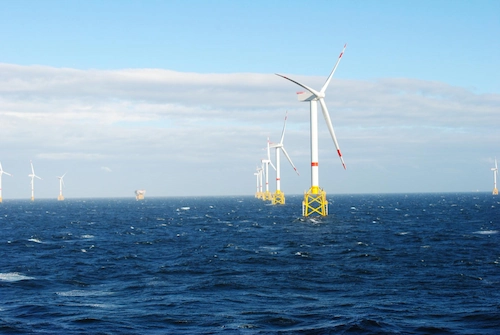
Wind energy utilizes the kinetic energy of moving air using large wind turbines. Generally, turbines are installed on land (onshore) or at sea (offshore). Wind turbines are capable of generating electricity, which is then fed into the power grid to meet the needs of households, industries, and commercial.
The best locations for generating wind energy are isolated areas, such as offshore areas. This is because the wind in these places is generally stronger and more consistent.
Hydropower
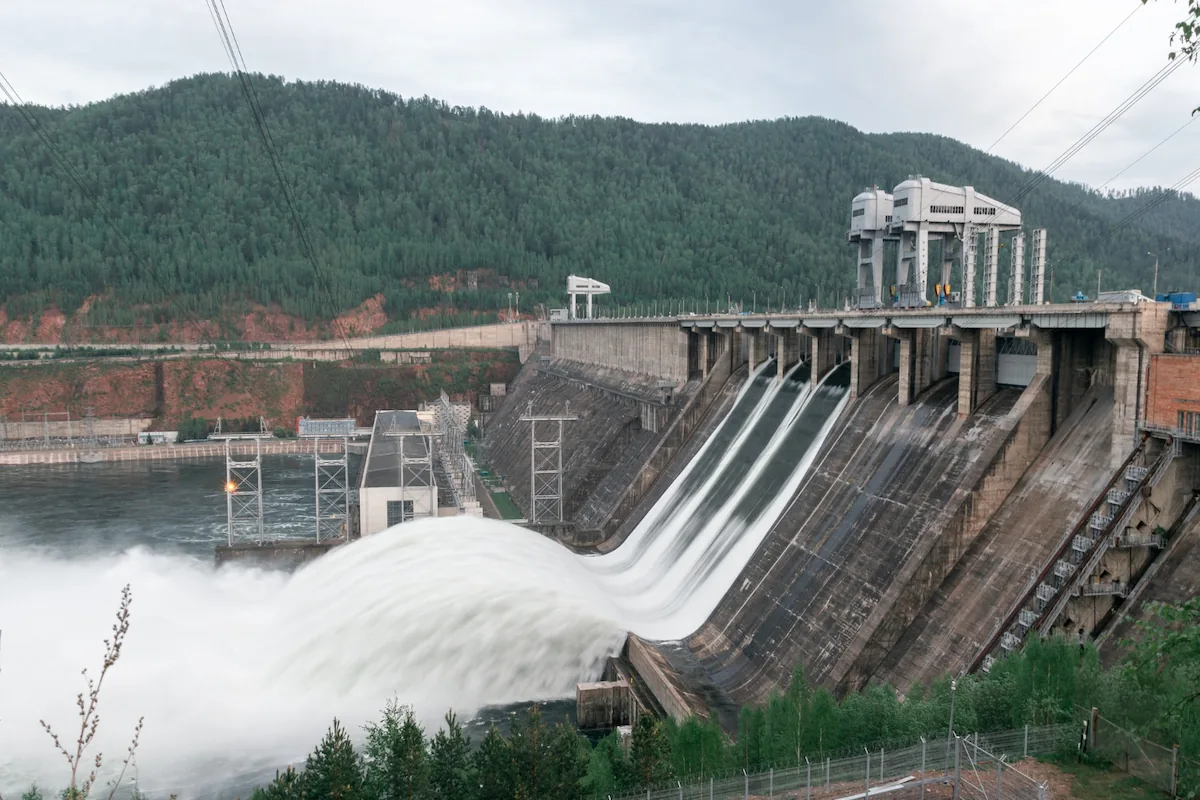
The second type of renewable energy is hydropower, which can be obtained from lakes, rivers, or reservoirs. Hydropower works by utilizing water wheels and generators.
First, water wheels are installed in areas with strong water currents. These conditions cause the wheels to rotate, generating kinetic energy. Next, the kinetic energy turns the generator, producing electricity. However, it is important to note that the operation of hydroelectric power plants is highly dependent on stable rainfall patterns.
Geothermal Energy
Geothermal energy utilizes heat from the Earth’s core, which is typically around 5500℃. This heat is extracted from geothermal reservoirs through well drilling or other methods.
After the heat and fluid (water or steam) are pumped to the surface, the heat energy can drive turbines. Next, the turbines will move and then turn the generator and produce electricity.
Read also: Ecological Pyramid: Types and Ecosystem Protection
Solar Energy
Among renewable energy sources, solar energy is the most abundant on Earth. In fact, the amount of solar energy received by the Earth is approximately 10,000 times greater than the total energy currently consumed by humans.
Therefore, it is not surprising that the Ministry of Energy and Mineral Resources of the Republic of Indonesia has prioritized Solar Power Plants to meet the ever-increasing demand for electrical energy. The ministry projects that the Solar Power Plants’ capacity will reach 108.7 GW by 2060, far above that of Wind Power Plants, Sea Current Electric Power Plants, Hydroelectric Power Plants, and other power plants.

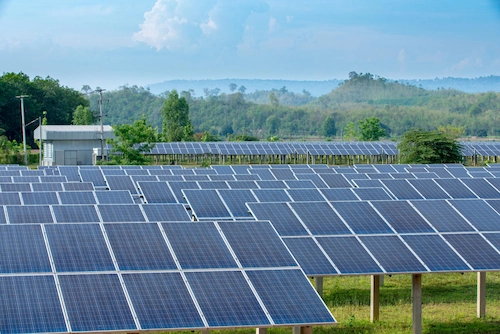
The process of converting solar energy into electrical energy involves two main methods, namely photovoltaic (PV) panels and concentrated solar power (CSP) systems. The PV method converts sunlight directly into electricity, while the mirror system concentrates solar radiation to generate energy.
Biomass
Biomass is a type of renewable energy source derived from organisms, such as grass, charcoal, wood, and animal waste. Biomass is divided into traditional and modern biomass.
Traditional biomass is usually used in rural areas for cooking, lighting, and heating rooms. Modern biomass comprises special plants grown for energy, as well as waste from agriculture and forestry.
Actually, the most common method of biomass disposal is direct combustion. This process produces fewer emissions than burning fossil fuels.
Ocean Energy
Ocean energy comes from the kinetic and thermal energy contained in seawater. It is obtained from several sources, including tidal movements, waves, ocean currents, salinity differences between fresh water and seawater, and temperature differences between warm surface water and cold seawater.
Ocean energy is an abundant renewable energy source because the oceans cover more than 70% of the Earth’s surface. However, ocean energy technology is still in its early stages and is not yet reliable enough to contribute significantly to the global transition.
Read also: Waste-to-Energy Power Plants: Mechanisms & Challenges
Examples of Renewable Energy
After understanding the types of renewable energy, learn some examples of renewable energy that have been implemented in various parts of the world:
Solar Power Plant in California
The solar power plant in California, United States, is one of the largest solar panel installation projects in the world. The electricity generated by this solar power plant can supply millions of households.
Many companies have also been utilizing solar panels to supply their electricity needs. If your company needs it, Krakatau Chandra Energi, a subsidiary of Chandra Asri Group, provides solar panel installation services. The installation involves three methods, namely On-Grid Solar Panels, Off-Grid Solar Panels, and Hybrid Solar Panels.
Hydroelectric Power Plant in Tiga Ngarai
The Tiga Ngarai Dam in China is the world’s largest hydroelectric power plant, with a capacity of around 22,500 megawatts. Located on the Yangtze River, the longest river in Asia and the world, this hydroelectric power plant can supply a stable flow of water year-round.
Biogas Production in India
The next example of renewable energy is biogas production in India, which is generated from agricultural waste and livestock manure. This biogas can support household needs, especially in rural areas. In fact, there is a SATAT (Sustainable Alternative Towards Affordable Transportation) program that encourages the production of CBG (Compressed Biogas) for the automotive and industrial sectors.
Benefits of Renewable Energy
If you are still considering switching to renewable energy, understand its benefits first. Here are some benefits of renewable energy:
- Reducing global warming: Using renewable energy can reduce greenhouse gas emissions in the atmosphere, thereby slowing down global warming.
- Reducing dependence on fossil fuels: The abundance of renewable energy means that energy supplies are no longer dependent on dwindling fossil fuel reserves.
- Supporting energy security: Renewable energy helps a country meet its energy needs reliably, minimizing the need to import energy and reducing geopolitical risks.
- Improving human and environmental health: With renewable energy, pollution and environmental contamination can be minimized. As a result, human health and natural beauty are better preserved.
- Promoting economic growth: Energy independence opens up business opportunities, expands employment, and increases demand for goods and services.
As explained above, renewable energy is a strategic solution to protect the Earth and all its inhabitants. Other efforts to preserve the Earth are also consistently implemented by Indonesia Asri, an environmental movement initiated by the Chandra Asri Group.
If you want to contribute positively to a healthier Earth, do not hesitate to join Indonesia Asri. Various simple environmental conservation programs are packaged in a fun format, such as #AksiAsri. Show your love for the Earth by signing up to become a Warga Asri!
Read also: 6 Ways to Conserve Energy with a Sustainable Lifestyle