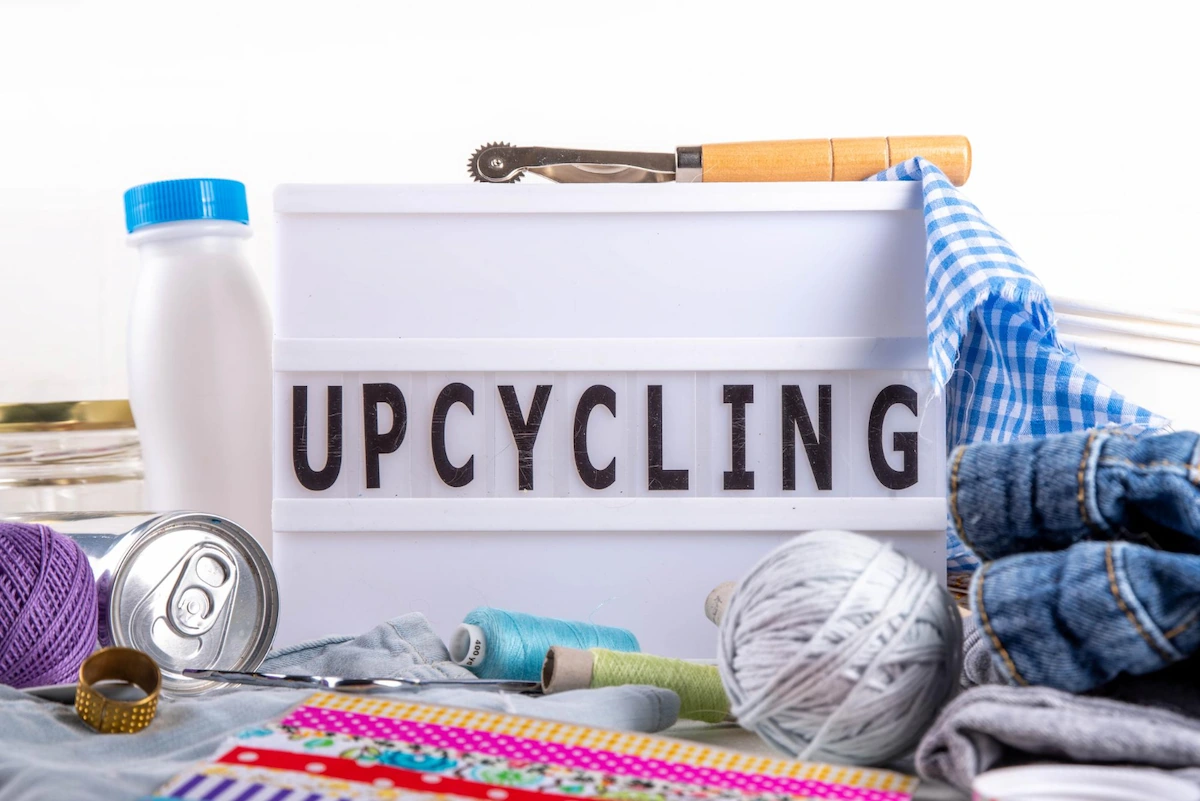
Do you have old items that are rarely used but still in good condition? Before throwing them away, think twice! With a slight touch of creativity, you can transform them into something more useful and give them a whole new purpose.
Upcycling is one creative way you can try to add value to items you no longer use. Keep reading to discover what upcycling is, its benefits, and some easy examples of upcycling you can try at home.
What Is Upcycling?
The term “upcycling” first gained recognition in the 1990s and became increasingly popular throughout the 2000s and 2010s. Its popularity grew alongside increasing awareness of environmental issues and the importance of reusing items wisely as a waste management step.
Upcycling is the process of transforming unused items or materials into new products with higher functionality, utility, or economic value.
Unlike recycling, which converts materials into new substances, upcycling focuses on preserving an item’s original characteristics while creating a new function. This way, the item gains new utility without losing the value of its original form or material.
The concept of upcycling not only helps optimize the use of items but also encourages you to reevaluate the objects around you and how they could be used differently. You can begin this process by sorting items by condition and potential, then determining the appropriate processing method.
Through upcycling, items that would otherwise sit unused or end up as waste can be turned into something more functional, aesthetically pleasing, and even have economic value.
The Differences Between Upcycling, Recycling, and Downcycling
At first glance, upcycling, recycling, and downcycling sound similar because they all involve processing items or materials. However, these three concepts each refer to different processes and outcomes. To better understand the differences between them, check out the following table:
| Aspect | Upcycle | Recycle | Downcycle |
| Definition | Transforming an item into a new product with a higher function or value. | Transforming materials into new materials or products through a specific process. | Transforming an item or material into a new product with a lower function or value. |
| Purpose | To add value and extend the usefulness of an item. | To reuse materials as raw materials or new products. | To utilize materials that can no longer maintain their original quality to create products with simpler functions. |
| Process | Utilizing the existing form or characteristics of an item with a creative touch. | Materials are processed into new materials before being reused. | Materials are processed into other products with lower quality or functionality than before. |
| Final Result | The product has higher utility, functionality, or economic value. | Produces new materials or products with characteristics that may differ from the original. | Produces a product that remains useful but has lower value or quality. |
| Examples | An old shirt becomes a fabric bag, scrap fabric becomes a pillowcase, or a jar becomes a storage container. | Used paper is processed through a specific process to become new paper material. | Unused clothing fabric is cut into small pieces as pillow filling. |
Benefits of Upcycling
In addition to producing valuable goods, upcycling can also stimulate creativity and help you make better use of materials you already have. Here are some benefits of upcycling you should know:
- Adds value to items: Upcycling transforms unused items into products with higher functionality or utility.
- Optimizes the use of materials: Items that still have potential can be transformed into something more useful according to specific needs.
- Potential to provide economic value: Upcycled items can be used for personal needs or developed into marketable handicrafts.
- Supporting sustainable waste management: Upcycling can be part of the habit of sorting and processing waste. Items that are still usable can be transformed into new products before being managed through other processes.
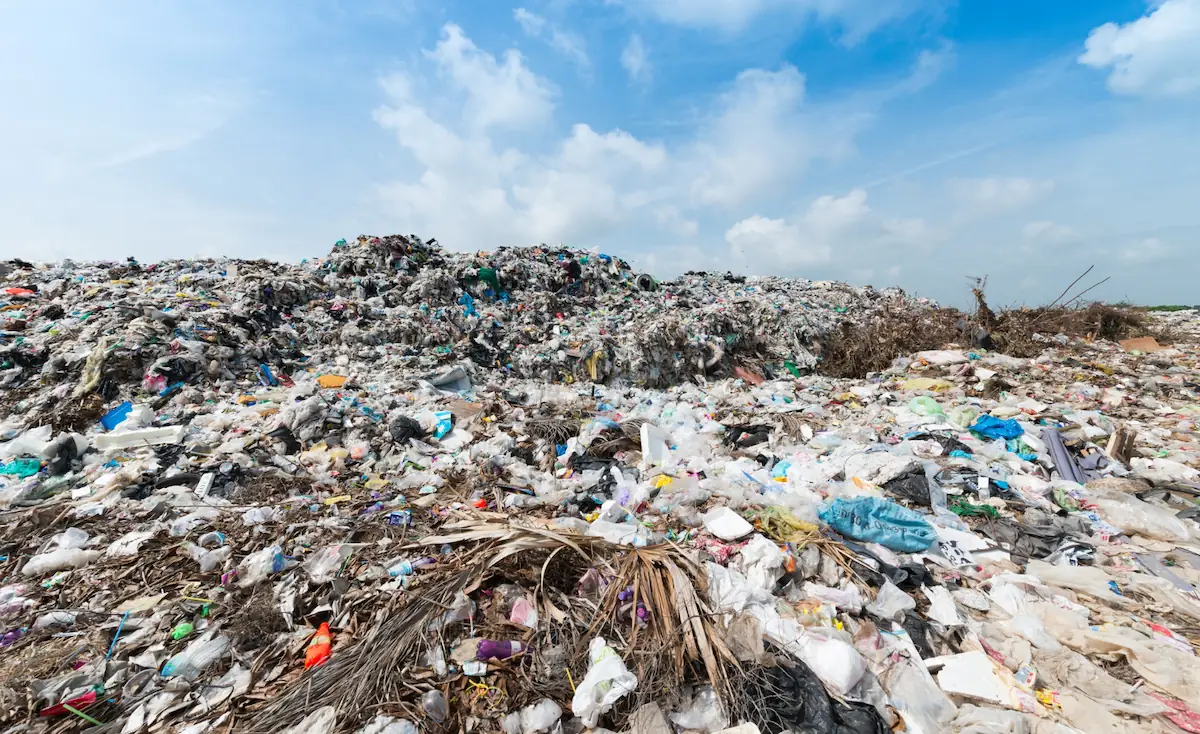
- Reducing the amount of waste: Items that still have potential can be transformed into new products so they do not immediately end up as trash. This way, the waste volume that needs to be managed can be minimized.
Related Article: 5 Ways of Decluttering Clothes, Stop Wasting Clothes!
Examples of Upcycling
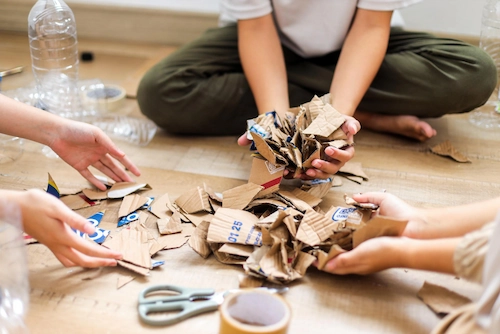
Upcycling does not always require a complicated process. You can start with items around your house and come up with new ideas based on their shape, condition, and material. Here are a few examples to get you inspired:
Turning Old Shirts into Cloth Bags
Old shirts that you rarely wear can be turned into practical cloth bags. You can use the shirt fabric for the body of the bag and repurpose other parts, such as the sleeves or collar, for straps or extra details.
The process is quite simple. First, decide on the bag’s size, then cut and sew the fabric into your preferred shape. Next, add a pocket or simple details to give the bag a personal touch and make it more useful for your needs.
Sewing Scrap Fabric into a Pillowcase
Leftover fabric from sewing projects can also be turned into a unique pillowcase. You can combine different fabric pieces based on their colors, patterns, or sizes to create an authentic design.
Once you have your design, sew the fabric pieces together to form a sheet large enough for the pillowcase. Then, arrange and sew them again to create a pillowcase that adds a simple decorative touch to your home.
Turning Old Tires into Chairs
Old tires can also be transformed into unique and functional chairs. By adding a seat and some upholstery, you can give old tires a new life as furniture for your living room, terrace, or garden. To make them look even better, you can paint the outside of the tire or add decorative details that match your room’s decor.
Turning Used Jars into Storage Containers
Used jars that are still in good condition can be repurposed into handy storage containers for small items. Before using them, you can clean the jars first, then add labels so you can easily tell what is inside.
For example, you can use these jars to store sewing supplies, accessories, or stationery. You can also decorate the outside to match your style or the space where you plan to keep them.
Turning Cans into Plant Pots
Old cans that are still in good condition can be repurposed as plant pots to add a green touch to your home. Before using them, clean the cans thoroughly and smooth out any sharp edges to keep them safe to handle. You can paint or decorate the outside with your favorite colors or designs.
Worth Reading: 10 Simple Waste Recycling Examples, Give It A Try!
Share Your Best Environmental Contributions on Jejak Asri!
Those are the details about what upcycling is, from its definition and benefits to various upcycling ideas you can try at home. Making better use of the things you already have may seem like a small step, but it can be part of building a more sustainable lifestyle.
Apart from upcycling, there are plenty of other ways to support sustainable living, such as by choosing vehicles that use more environmentally friendly fuels for your daily commute. Through these small habits, you can help reduce our impact on the environment.
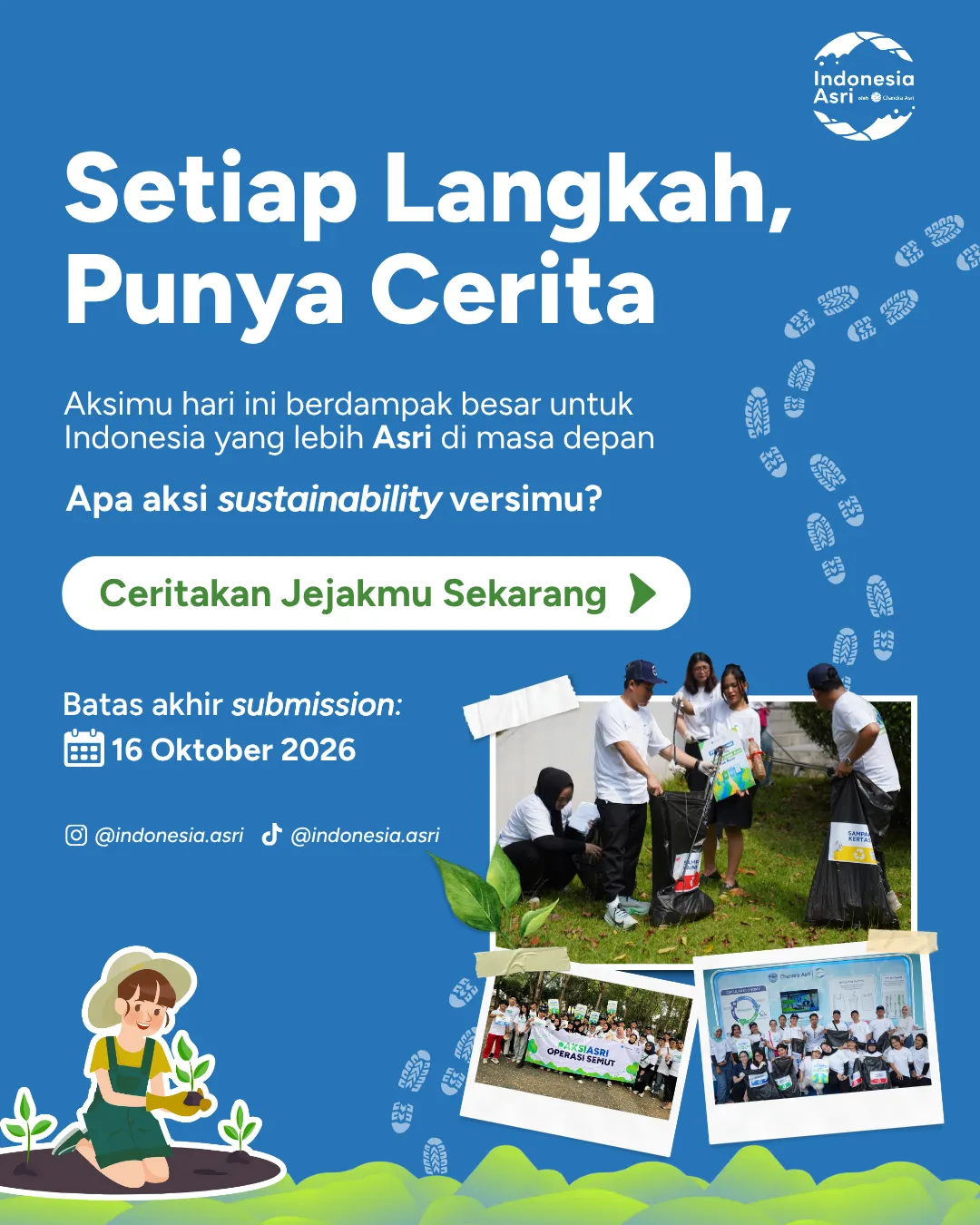
Have you done something simple to help protect the environment? Share your story with Indonesia Asri through Jejak Asri. Your story could inspire other Warga Asri to take their own steps toward creating a greener Indonesia.
The exciting part is that you also have the chance to win millions of rupiah if you are selected as one of the lucky participants. So, register now and submit your story before October 16, 2026!
More to Explore: The Youth Must Care About the Environment