

Table of Contents
Basically, waste reflects daily consumption behavior. Unfortunately, this is often overlooked by the public. More than 50% of Indonesia’s waste is food and organic waste.
If left to accumulate in landfills, this will certainly result in a very dangerous “time bomb.” Ironically, the circular-economy potential of this organic waste is often overlooked as well.
This is because most people are still not educated on how to manage waste properly. In this case, community-based waste management offers a humanistic approach that is appropriate for changing this behavior.
This solution is not merely a moral movement but a systematic intervention. This article will provide further explanation on the matter. So, read on until the end.
Why Is Managing Waste Important?
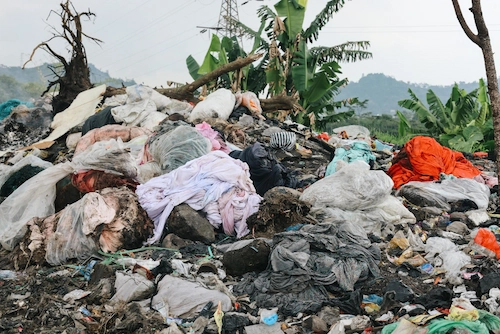
In depth, waste management can be understood as an effort to mitigate the climate crisis and restore ecosystems that have reached a critical point.
So, it is not merely about maintaining environmental cleanliness. When waste is not properly processed or managed, it can cause various negative risks, such as:
- Increasing soil, air, and water pollution.
- Clogging water channels and causing floods.
- Accelerating climate change through methane gas emissions from organic waste.
- Being a source of disease through insects or other animals.
- Increasing the volume of waste in landfills beyond their intended capacity.
That is why managing waste is very important. However, this step has not yet been fully realized in Indonesia.
The National Waste Management Information System (Sistem Informasi Pengelolaan Sampah Nasional/SIPSN) reports that 65.45% of waste in the environment remains unmanaged, a higher percentage than that of managed waste.
This gap in data indicates a systemic crisis, such as a failure in waste-management infrastructure (a service gap).
This means that many areas remain outside the reach of official transport fleets, increasing the risk of improper waste handling. For example, burning waste in yards or throwing it into rivers.
Additionally, the low percentage of managed waste indicates that the circular economy ecosystem has not been able to absorb all the waste generated.
This occurs as most people view waste as a liability (burden) rather than an asset. As a result, there is no motivation to bring waste to processing centers or Waste Banks.
What Is Community-Based Waste Management?
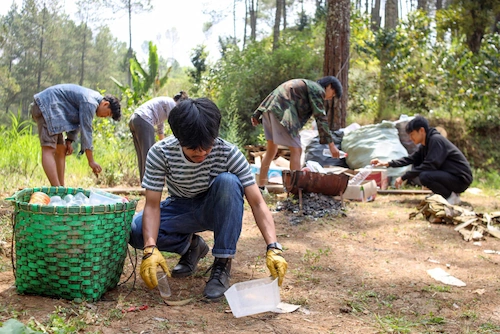
Community-based waste management is a collaboration between government agencies, NGOs, and communities to provide necessary tools, resources, and training to build an effective waste management program.
Community-based waste management can also be understood as a system that involves active community participation. Technically, this shifts waste management responsibility from a centralized model to a grassroot community.
Local communities will be empowered to implement programs together with the public to reduce pollution, promote sustainability, and build a more sustainable environment.
Steps that can be taken include breaking the waste chain, starting from the kitchen. For example, organic waste can be processed into animal feed or compost. Then, transforming the role of the community from a ‘waste producer’ to a ‘waste manager’.
Such participation can be accommodated in facilities, such as the Community-Based 3R Waste Processing Facility. This communal instrument is usually managed by community self-help groups to collectively process both organic and residual waste.
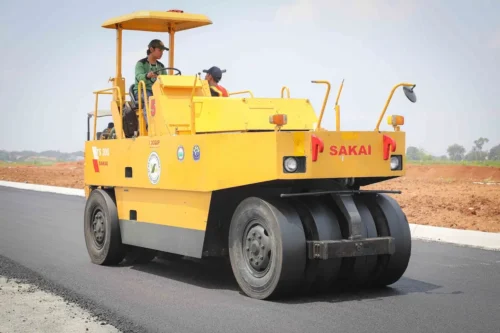
Additionally, there are Waste Banks to convert inorganic waste into economic value. A concrete example related to the circular economy is the recycled product “plastic asphalt” from Chandra Asri Group, which is now used on more than 120 km of roads in Indonesia.
Read also: Waste Oil: Understanding the Dangers, Impacts, and Effective Disposal Methods
The Role of Waste Sorting Communities
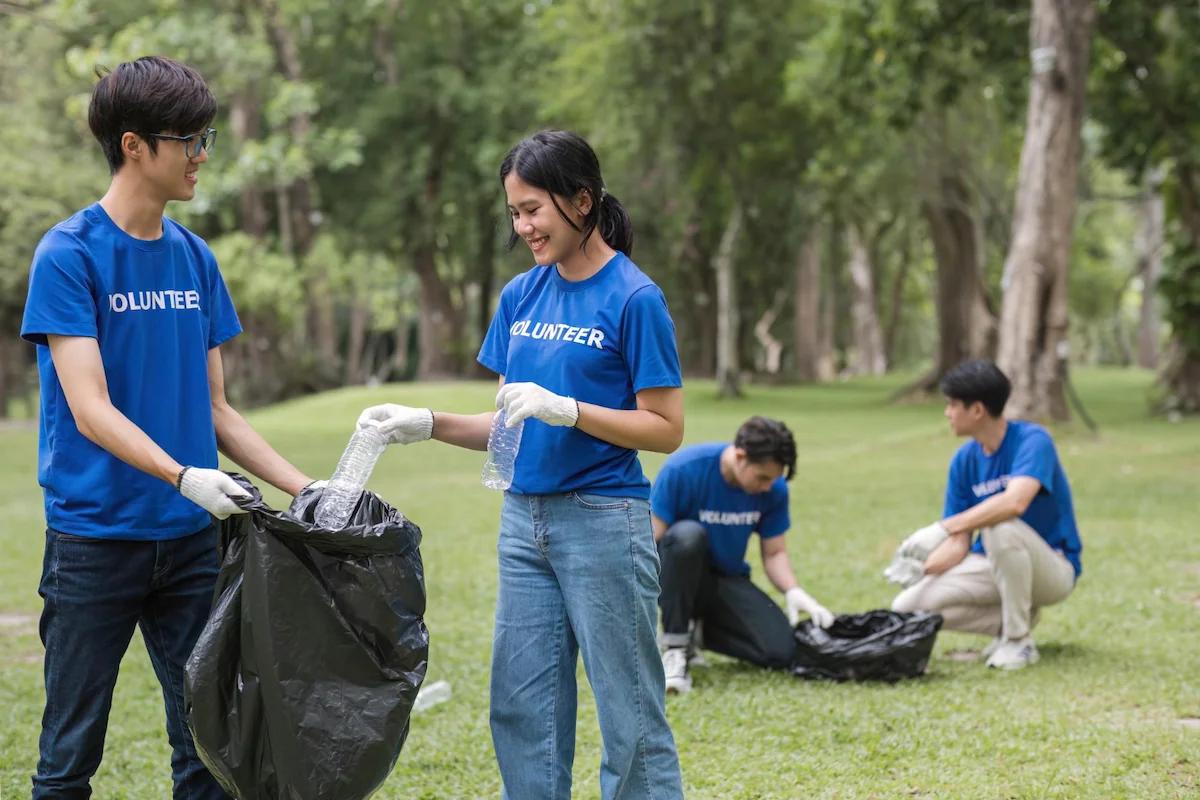
Waste-sorting communities are the “driving engine” and the main implementers of community-based waste management systems. This is because waste sorting is part of the education and programs that are initiated.
One of the waste-sorting communities in Indonesia, Indonesia Asri, focuses on literacy and on educating the public about the importance of sorting waste before disposal.
In this role, Indonesia Asri established Operasi Semut as a platform for Warga Asri to actively engage in public spaces through sustainable environmental campaign activities. The following are some of the program series of Operasi Semut.
Operasi Semut Volume 1
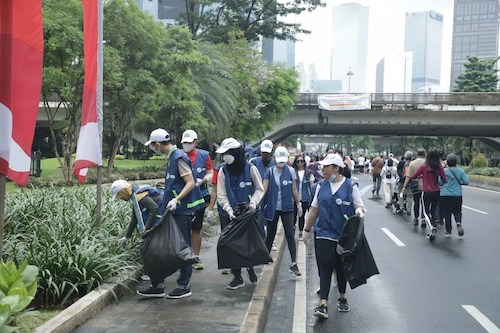
The activity carried out was trash cleaning at the CFD location. However, the focus was primarily on waste-sorting activities and on educating the public about the circular economy.
Operasi Semut Volume 2
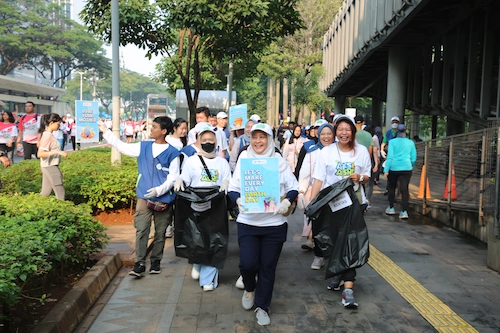
This initiative encourages active community participation in collecting and sorting waste. Thus, its implementation becomes part of education aimed at creating a green environment.
Operasi Semut Volume 3 and 4
Operasi Semut Volume 3 was held during the pre-event of the Jakarta Marathon 2023. Meanwhile, Operasi Semut Volume 4 was conducted during the main event.
The main target of this action is sports enthusiasts, with the hope of reaching more people to understand the importance of the #pilahsampah lifestyle before disposal.
Operasi Semut Volume 5
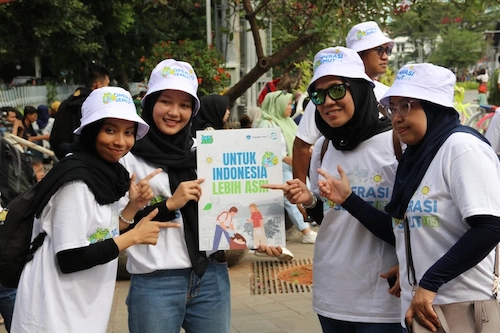
Held in Kota Tua, Jakarta, to commemorate Environment Day. This location was chosen for its potential to raise awareness across various layers of society about the importance of a waste-sorting culture.
Operasi Semut Volume 6 and 7
This activity also targets runners. A combination of educational activities, trash cleanup, and entertainment featuring showcases of recycled products and environmentally themed games aims to demonstrate the realization of the #pilahsampah culture.
Operasi Semut Volume 8
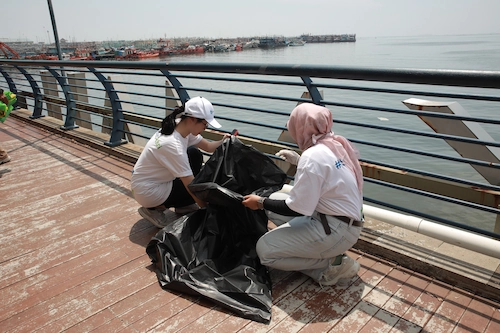
The green sports concept highlighted in this edition of Operasi Semut is part of proactive steps to raise awareness and promote environmentally friendly practices, especially in the world of martial arts.
Operasi Semut Volume 9 and 10
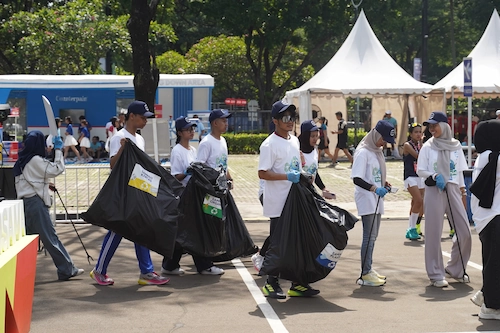
The activities carried out at the Jakarta Running Festival 2025 generated 23.6 kg of waste. Next, it will be selected and reprocessed. Visitors can also participate in stringing plastic waste at the available booth.
Read also: 4 Types of Industrial Waste and How to Manage Them
Benefits of Community-Based Waste Management
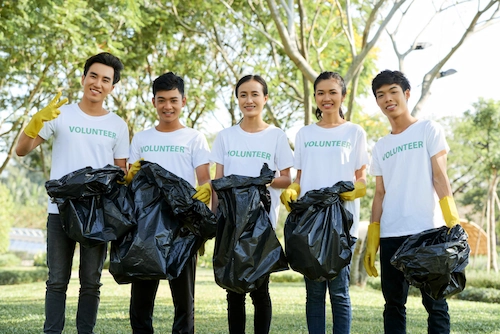
Community-based waste management systems have emerged as a solution to handle waste effectively. This brings potential benefits, including:
Increasing Recycling and Resource Recovery
Through community-based waste management systems, residents are encouraged to sort their waste to facilitate recycling, thereby reducing the amount of waste sent to landfills.
This has significantly increased recycling, saved resources, and reduced pressure on natural ecosystems.
Preserving the Environment
With community-based waste management systems, the waste sent to landfills decreases. This initiative helps minimize pollution and preserve the environment, protecting ecosystems and wildlife.
Community Involvement and Empowerment
As has been explained, community-based waste management systems directly involve the community in their implementation. This motivates them to manage waste independently and sustainably.
Health and Sanitation
Another benefit of community-based waste management systems implementation is encouraging more responsible waste management. This step effectively creates a clean environment, maintains air and water quality, and minimizes health risks.
That concludes the information on community-based waste management. Ultimately, waste management becomes a shared responsibility and commitment to preserve the environment.
Therefore, let’s start with small steps to create big changes. One way is to take a role and join the concrete movement with Indonesia Asri.
Here, you can actively contribute to your surrounding environment. Share the small actions you take in an inspiring story by participating in the Jejak Asri campaign.
The campaign will run until October 16, 2026. Get the chance to win prizes worth up to millions of rupiah! So, don’t wait any longer to be part of the solution by signing up now!
Read also: 8 Ways of Organic Waste Management, Easy and Eco-Friendly!