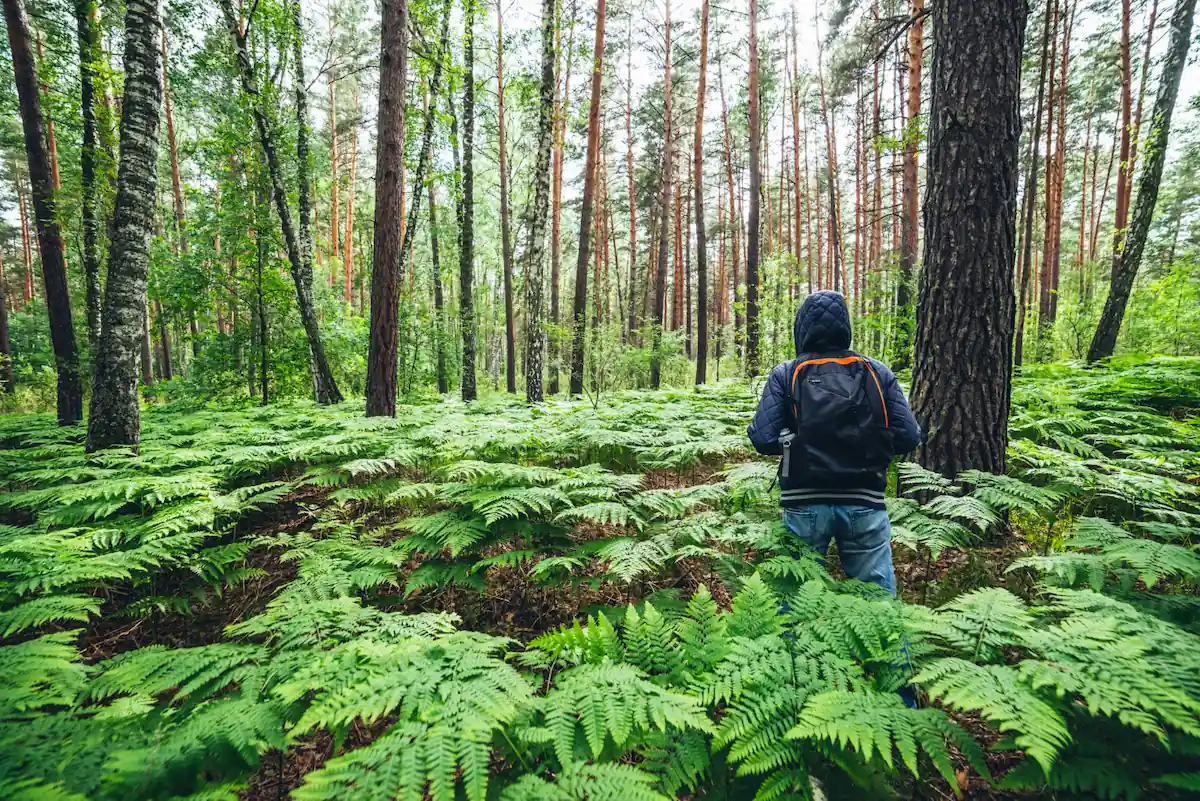
Conservation forests play a vital role in preserving nature, from protecting wildlife habitats to maintaining biodiversity. These areas also help maintain the balance of ecosystems that support human life and the environment.
Through proper management, conservation forests can be utilized for research, education, and nature tourism without compromising their conservation functions.
To learn about the definition, types, functions, and differences between conservation forests and protected forests, read the full discussion below.
Definition of Conservation Forests
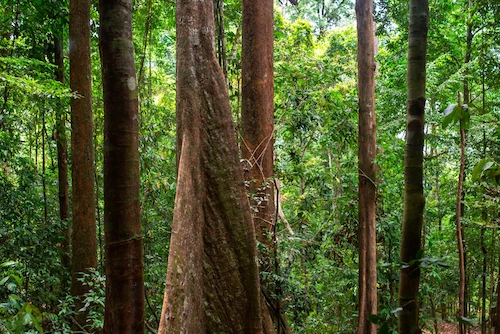
Conservation forests are designated and managed forest areas aimed at preserving biological natural resources and their ecosystems. These areas play a vital role in maintaining environmental balance while protecting the diverse flora and fauna that inhabit them.
According to Law Number 41 of 1999 on Forestry, a conservation forest is a forest area with specific characteristics whose primary function is to preserve the diversity of plants, animals, and their ecosystems.
These areas protect various plants and animals, as well as their natural habitats, so that they remain preserved and can be sustainably utilized for research, education, nature tourism, and scientific development.
Functions of Conservation Forests
Conservation forests play a vital role in preserving biological resources and their ecosystems. The primary functions of conservation forests include:
Protection Function
One of the primary functions of conservation forests is to protect the various plant and animal species, as well as the ecosystems within them. In addition to serving as natural habitats for flora and fauna, these areas act as life-support systems that help maintain environmental balance.
Conservation Function
Conservation forests serve to ensure the survival of various species and prevent their extinction. Through sustainable conservation efforts, biodiversity can be preserved so both current and future generations can enjoy its benefits.
Utilization Function
In addition to being protected and conserved, conservation forests can be utilized for various activities that support nature conservation, such as research, education, and nature tourism. The utilization of existing resources must also be carried out wisely and responsibly.
Read also: Types of Trees That Play a Vital Role in Nature Conservation
Types of Conservation Forests
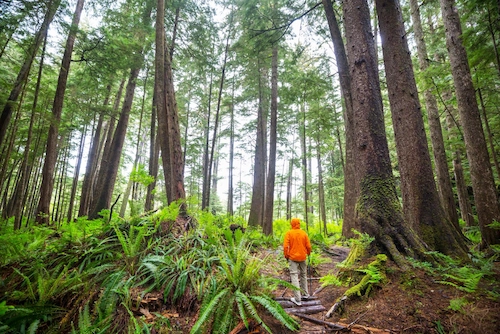
According to Article 7 of Law Number 41 of 1999 on Forestry, conservation forests in Indonesia are divided into three types of areas, namely:
Nature Reserve Areas (Kawasan Hutan Suaka Alam/KSA)
Nature Reserve Areas (Kawasan Hutan Suaka Alam/KSA) are conservation forest areas whose primary function is to preserve the diversity of flora, fauna, and their ecosystems. These areas are designated to maintain the integrity of nature, allowing ecological processes to occur naturally with minimal human interference.
Law Number 5 of 1990 on the Conservation of Biological Resources and Their Ecosystems states that Nature Reserve Areas consist of:
- Nature Reserves: Areas that protect specific flora, fauna, and ecosystems requiring the preservation of their natural integrity.
- Wildlife Reserves: Areas specifically designated to protect various species of wild animals and their habitats.
As part of conservation forests, Nature Reserve Areas play a vital role in maintaining ecosystem balance, protecting rare and endangered species, and preserving environmental functions that support human life and other living organisms.
Nature Conservation Areas (Kawasan Hutan Pelestarian Alam/KPA)
Nature Conservation Areas (Kawasan Hutan Pelestarian Alam/KPA) are forest areas designed to protect life-supporting systems, conserve plant and animal diversity, and enable the sustainable use of natural resources.
Unlike nature reserves, where use is strictly limited, these areas can be utilized for activities such as research, education, nature tourism, recreation, and scientific development while still ensuring ecosystem conservation.
Nature Conservation Areas are divided into several types, namely:
- National Parks: Areas with natural ecosystems that are managed to support conservation, research, education, and nature-based tourism activities.
- Nature Tourism Parks: Areas designated to meet recreational and nature tourism needs while ensuring environmental sustainability.
- Botanical Garden (Tahura): An area utilized as a collection site for various plant and animal species, both native to and from outside the region, for educational, research, scientific development, and tourism purposes.
Game Reserve
A game reserve is a conservation forest area specifically designated as a hunting ground for certain wild animals whose populations meet established criteria and are authorized by the government. Hunting activities in this area must not be conducted carelessly, as they are strictly monitored to prevent disruption of the ecosystem balance or harm to wildlife.
Compared to other types of conservation forests, the number of game reserves in Indonesia is relatively small, and their areas tend to be more limited.
Based on the Decree of the Director General of Forest Protection and Nature Conservation Number SK.76/IV-KKBHL/2015, Indonesia has 12 game reserve locations. One example is the South Mount Tambora Hunting Reserve, located in West Nusa Tenggara Province.
Read also: 12 Benefits of Mangrove Forest for Humans and Nature
The Difference Between Protected Forests and Conservation Forests
Protected forests and conservation forests both play a vital role in preserving the environment. However, they have different management objectives and functions.
Protected forests are forest areas that serve to protect life-supporting systems. Their purpose is to regulate water management, prevent flooding and erosion, control seawater intrusion, and maintain soil fertility. In other words, the primary focus of protected forests is to maintain the environmental ecological functions.
Meanwhile, conservation forests are designated areas that preserve the diversity of plants, animals, and their ecosystems.
In addition to serving as habitats for various species of flora and fauna, conservation forests are also utilized on a limited basis for research, education, conservation, and nature tourism.
In short, protected forests focus on protecting environmental functions, while conservation forests focus on preserving biodiversity and its ecosystems.
That concludes our discussion on conservation forests, covering their definition, types, functions, and differences from protected forests. As areas that play a vital role in preserving nature, conservation forests need attention and support from all segments of society, including you.
Want to make a real contribution to environmental conservation? We can all play a part through simple actions. Let’s start by joining the Indonesia Asri campaign as Warga Asri.
You can expand your knowledge of environmental issues, build connections, gain access to a range of environmental activities and educational programs, and become part of a movement that drives the creation of a more sustainable future.
So, let’s be part of creating a greener and more sustainable Indonesia together with Indonesia Asri. Register now as Warga Asri today to help protect the environment!
Read also: 10 Benefits of Protected Forest for All Living Creatures