

Table of Contents
Clean water is essential for maintaining health and supporting daily activity. However, water pollution frequently occurs due to human activities, including household and industrial waste and liquid waste discharged without proper management.
If water pollution continues, the risk of diseases may increase, and the surrounding environment will also be affected. To learn how to reduce water pollution and maintain its quality, explore the following article.
How to Reduce Water Pollution
According to GoodStats, the Indonesian Ministry of Environment and Forestry noted that Indonesia’s Water Quality Index reached 53.88 points in 2022. This figure remained below the target for the same year, which was 55.03 points.
The data indicate that the water quality condition in Indonesia still requires serious attention. Therefore, maintaining water quality is not enough to understand the impacts of pollution; it also requires concrete actions in daily life. Water pollution can be reduced through consistent, simple habits.
The following are several ways to reduce water pollution that you can apply to keep the environment clean and preserve water resources:
Manage Household Waste
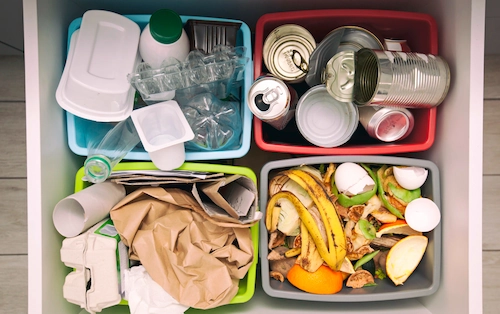
Preventing water pollution can begin with maintaining daily habits at home. Activities such as disposing of food waste, soaps, or household chemicals often directly affect water quality.
If not appropriately managed, household waste can contaminate water sources. Therefore, use household products only as needed and choose more eco-friendly alternatives to keep water clean and safe for use.
Avoid Littering
One way to prevent water pollution is to develop good household waste management practices. For example, food waste, detergents, and household chemicals can contaminate water if disposed of carelessly.
Therefore, use household products wisely and choose more eco-friendly options to help ensure water remains clean and safe.
Read also: Net Zero Emission: Understand the Concepts and How to Achieve It
Use Fertilizers and Pesticides in Moderation
Excessive use of fertilizers and pesticides can be carried away by rainwater, flowing into rivers or seeping into wells. As a result, these chemical substances may contaminate surrounding water sources. Managing application doses more wisely can help reduce the risk of water pollution.
Use environmentally safer agricultural materials or adopt natural farming methods that minimize reliance on chemical pesticides.
Plant Trees and Preserve Vegetation
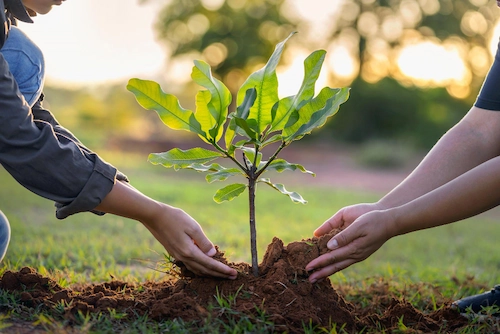
Maintaining tree and plant cover is a practical step in protecting water quality. Trees can retain and absorb rainwater while reducing pollutants before they reach water sources. Their strong roots help keep the soil stable, preventing sediment from easily entering rivers or lakes.
By planting trees in your surroundings or participating in tree-planting activities, you can help keep water clean and safe to use.
Cleaning Drains and the Surrounding Environment Regularly
Water drains that are regularly cleaned allow the water to flow smoothly without obstruction. This condition helps prevent the buildup of waste that could contaminate the surrounding water.
Conducting regular community clean-up activities with family members or residents can help keep the environment tidy, healthy, and free of standing water.
Avoid Disposing of Vehicle Waste into Soil or Waterways
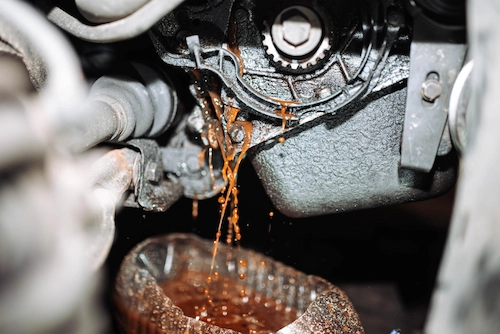
Residual fluids and materials from motor vehicles can harm the environment and pollute water sources. If not managed properly, these impacts can disrupt ecosystem balance.
To prevent it, vehicle waste should be taken to authorized workshops or designated facilities that comply with proper waste management regulations, thereby avoiding pollution of soil and water sources.
Causes of Water Pollution
Water pollution is caused by various human activities, both on a small and large scale. The following are several causes of water pollution that you should be aware of:
Waste Produced by Household Activities
One of the main causes of water pollution is waste from household activities. This waste is produced not only by activities at home but also by markets, offices, hospitals, schools, restaurants, and other places associated with daily life.
Waste and byproducts are often underestimated, but if not managed appropriately, household waste can significantly affect water quality and cause pollution in a given area.
Waste Produced by Industrial Activities
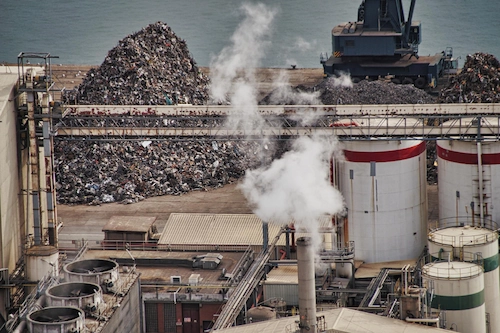
One of the largest sources of water pollution is industrial and factory activities. Industrial waste produced during manufacturing processes often contains harmful substances that can damage water quality.
Unfortunately, some industries discharge their production waste directly into water without proper management. As a result, chemicals, bacteria, and solid materials are spread and contaminate the environment.
This condition not only causes unpleasant odors but also harms the ecosystem and the health of people who depend on these water sources.
Read also: Open Dumping: Definition, Characteristics, and Impacts for the Environment
Waste Produced by Livestock and Aquaculture Activities
One source of water pollution is waste from livestock and aquaculture. These wastes include animal manure and leftover feed that is not fully consumed.
If the feed contains chemicals and discharges into the water, it can degrade water quality. In the fisheries sector, the use of nets to catch fish can also cause environmental issues.
Damaged or abandoned nets in the sea often become entangled in coral reefs, causing damage and becoming marine debris that pollutes the waters over time.
Waste Produced by Agricultural Activities
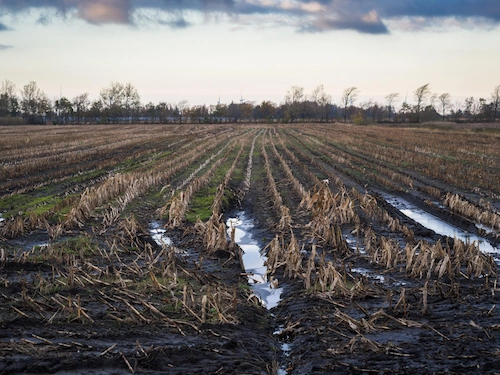
Agricultural activities significantly affect the quality of nearby water sources. While the use of chemical fertilizers and pesticides aims to enhance crop yields and protect plants from pests, leftover materials remain in the soil.
When it rains or irrigation water flows, leftover fertilizers and pesticides can be carried into rivers, lakes, or waterways. Over time, these chemicals accumulate, causing water pollution.
The impact of water pollution not only damages aquatic ecosystems but also harms the health of people who rely on water for daily needs.
Improperly Dispose of Waste
One cause of water pollution is littering. A lack of public awareness about the importance of cleanliness often leads to waste being carelessly discarded, including into rivers or other water bodies.
Many people do not understand that waste thrown into rivers can pollute the water and harm the ecosystem.
If this habit continues, water pollution in a specific area will worsen. The impacts are often visible, such as finding waste inside the bodies of dead animals, from small fish to larger marine creatures like whales, turtles, and tortoises.
Mining and Oil Spills
Mining activities and oil spills significantly impact water quality. During the mining process, substances and materials from mined resources can enter surrounding water, either directly or through dust carried into the water. This often occurs in coal mining areas and can lead to water pollution.
On the other hand, oil leaks in the sea become a serious threat to the environment. Spilled oil on the water surface damages marine habitats and endangers aquatic life.
If not properly managed, spilled oils may destroy aquatic ecosystems and cause long-term environmental damage.
That concludes the explanation about how to reduce water pollution and its causes. By understanding the factors that drive pollution and how to prevent it, you can be more mindful of maintaining cleanliness and responsible daily water use.
If you would like to contribute further to environmental protection, you can join Indonesia Asri and participate in the #AksiAsri campaign.
Through various available challenges, you can participate in real actions that support environmental conservation, including efforts to maintain water quality, and you can also have the chance to win exciting prizes.
Sign up now as Warga Asri and join the movement for a cleaner, more sustainable environment.
Read also: Greenwashing: Definition, Impact, and How to Tackle It