Biopore infiltration holes, locally known in Indonesia as biopori, are small vertical holes designed to improve water absorption in soil. But what are biopores exactly? A biopore is a water infiltration hole dug into the ground to allow rainwater to seep in more quickly.
This method is typically used in areas where the soil has difficulty absorbing water effectively. When water can penetrate the soil more easily, it reduces the risk of waterlogging and flooding.
In addition to helping prevent flooding, biopores also offer other benefits, such as maintaining soil moisture and helping to reduce organic waste (if filled with leaves or food scraps).
To better understand the concept and benefits of biopores, read the full explanation in this article.
What Is Biopori (Biopore)?
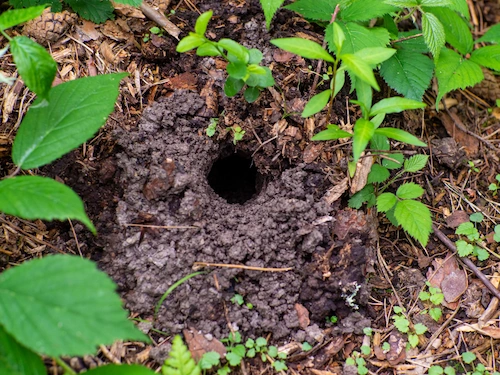
Biopores are small, round holes dug vertically into the ground to help rainwater seep in more quickly. This prevents water from pooling on the soil surface, thereby reducing the risk of flooding.
Once dug, biopore holes are typically filled with organic waste such as dry leaves, grass, or food scraps. This waste will decompose naturally and turn into compost that helps fertilize the soil.
During decomposition, small organisms in the soil, like earthworms, will move around and create small cavities around the holes. These cavities make the soil structure looser, thereby increasing the soil’s ability to absorb water.
Biopores also help reduce the volume of organic waste. This was demonstrated by a study published in 2025 in Jurnal Pengabdian Masyarakat Teknik (JPMT).
Within about 4 weeks, waste placed in biopore holes can shrink by up to 71.17% (for organic waste).
This process shows that biopores not only help with water absorption but are also effective at turning waste into compost that nourishes the soil.
Benefits of Biopores
Biopores not only help water seep into the soil faster but also provide many other environmental benefits. Here are some important benefits of biopores to know:
1. Increasing Water Absorption
One of the functions of biopores is to help soil absorb water faster than ordinary soil.
When biopore holes are created, the surrounding soil forms small cavities that enhance water absorption. This prevents rainwater from flowing off easily and from pooling on the surface.
Biopores are often used in flood-prone areas because it helps reduce water accumulation. Additionally, biopores are beneficial for maintaining groundwater reserves and keeping the soil in good condition.
Read also: Various Benefits of Compost for Boosting Plant Productivity
2. Better Organic Waste Management
Waste remains a common problem in many places. That is why making biopores helps process organic waste.
Organic waste such as dry leaves, twigs, vegetable scraps, cardboard, and paper can be placed into biopore holes. Once decomposed, this waste will turn into compost that can be used to fertilize plants.
This way, the amount of organic waste can be reduced while also benefiting the soil and plants.
3. Improving Soil Health
One of the benefits of biopores is that it helps keep the soil fertile by allowing small organisms and microorganisms to thrive.
These organisms help break down organic matter in the soil, thereby improving soil fertility.
Additionally, some microorganisms help increase nitrogen levels in the soil. Nitrogen is an essential nutrient plants need to grow well. The presence of nitrogen makes the soil more fertile and reduces the need for chemical fertilizers.
4. Helping Prevent Flooding
One cause of flooding is poor drainage and soil that has difficulty absorbing water, especially in densely populated areas. As a result, rainwater easily pools on the surface.
Biopores designed to support drainage, such as those with wider diameters and greater depths, can help reduce flood risk by allowing water to seep into the soil more quickly.
5. Recharging Groundwater Levels
The small tunnels created by earthworms and soil organisms around biopore holes help make the soil structure more porous. Soil that was originally compact becomes looser and contains more empty spaces.
These small spaces act as pathways for water, allowing rainwater to seep into the soil more quickly. The more voids that form, the greater the soil’s ability to absorb and store water.
Consequently, the soil’s water-holding capacity increases significantly compared with soil without biopores. This condition also helps maintain soil water availability, so it does not evaporate quickly during the dry season.
Read also: Is Throwing Waste in the Bin Enough to Solve the Trash Problem?
How to Make Biopores
Several tools and materials need to be prepared to make biopores. Once everything is ready, the process of making biopores can be carried out in a few simple steps.
1. Tools and Materials
Before starting to make biopores, it is important to prepare the necessary tools and materials to make the process easier and more practical. Here are the tools and materials required:
- PVC pipe with holes drilled along the sides and fitted with a cover.
- A soil auger for making infiltration holes in the ground.
- Sufficient water to assist in the biopore creation process.
- Organic waste, such as grass, dry leaves, fruit peels, or other plant scraps.
2. Steps
Once the tools and materials are ready, start creating the biopores by following these steps:
- Select a suitable location for the biopores, such as an area prone to waterlogging or soil that you wish to make more fertile.
- Moisten the soil surface with water to soften it and make drilling easier.
- Drill a vertical hole using a soil auger to a depth of about 1 meter and a diameter of approximately 10–15 cm to optimize water absorption.
- Insert a PVC pipe into the hole that has already been made. This pipe helps stabilize the hole’s walls and serves as a container for organic waste.
- Fill the biopore hole with organic waste, such as dry leaves, grass, fruit peels, or other plant scraps.
- Cover the top of the hole with a pipe cap or perforated wire to ensure the biopores remain safe for use.
How Biopores Work
Compared to other composting methods, biopores are considered simpler because it requires minimal maintenance. Maintenance can be performed periodically, typically every 3–6 months.
In conventional composting methods, waste usually needs to be turned regularly, checked periodically, and sometimes even requires additional liquid to speed up decomposition.
Meanwhile, biopores only require a pipe and a cover during the initial setup. Once the hole is complete, organic waste can be added immediately and left to decompose naturally in the soil.
The types of waste used are quite varied, ranging from dry leaves and small twigs to fruit peels, vegetable scraps, and food scraps. To prevent strong odors, wet waste can be covered with dry leaves.
Interestingly, the decomposition process in biopores does not require frequent stirring. Over time, organic waste will break down on its own, releasing nutrients that benefit the soil and the organisms within it.
That is an explanation of biopores, from its definition to how it works. Biopores are an infiltration hole dug in the ground to absorb water and reduce organic waste.
With proper implementation of biopores, you can help create a cleaner environment, reduce the risk of waterlogging, and better maintain soil fertility.
Making biopores can also be done through simple habits. Food scraps, dry leaves, or other organic waste can be used as biopore fillings to decompose into natural compost.
In addition to reducing waste, this method also makes the environment look neater and well-maintained.
If you want to participate actively in other environmental conservation activities, you can join Indonesia Asri through various programs that encourage the community to adopt eco-friendly habits.
You can also share your experiences or inspiring stories about environmental conservation efforts through the Jejak Asri campaign.
Every story submitted has a chance to win prizes worth up to millions of rupiah if selected. So, do not miss this opportunity to participate and register before October 16, 2026!
Read also: What Is Composting? The Benefit and How to Make It at Home