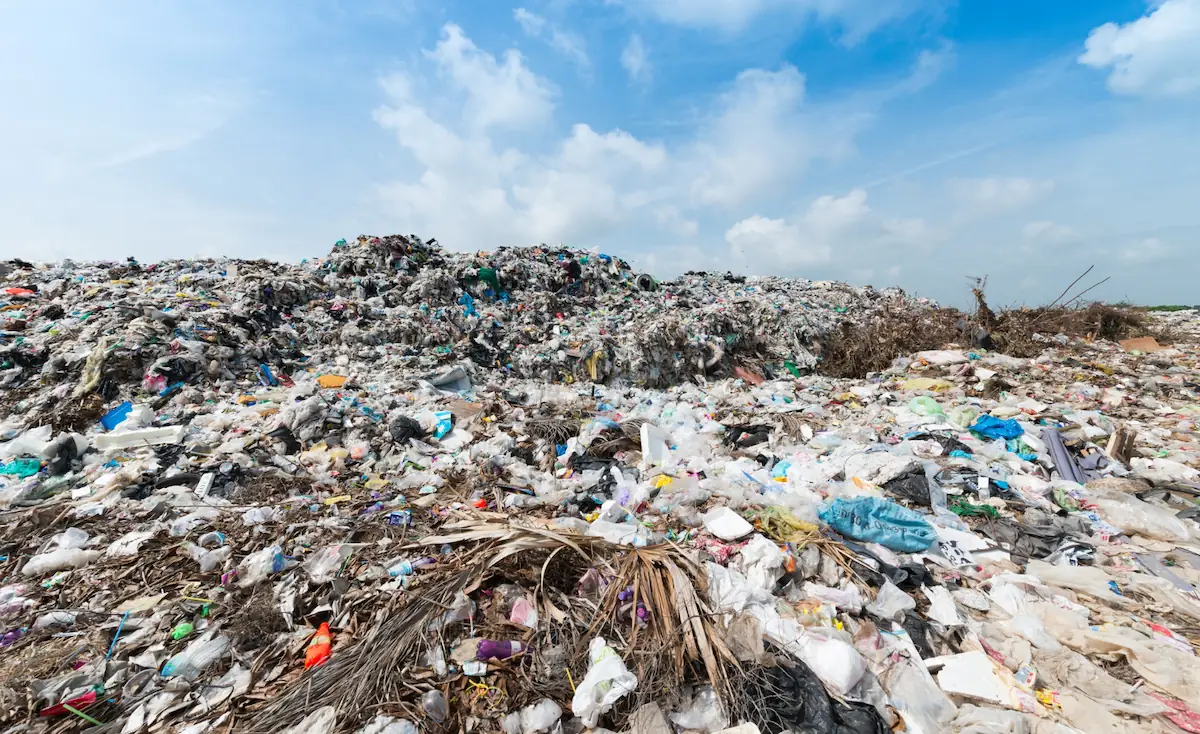
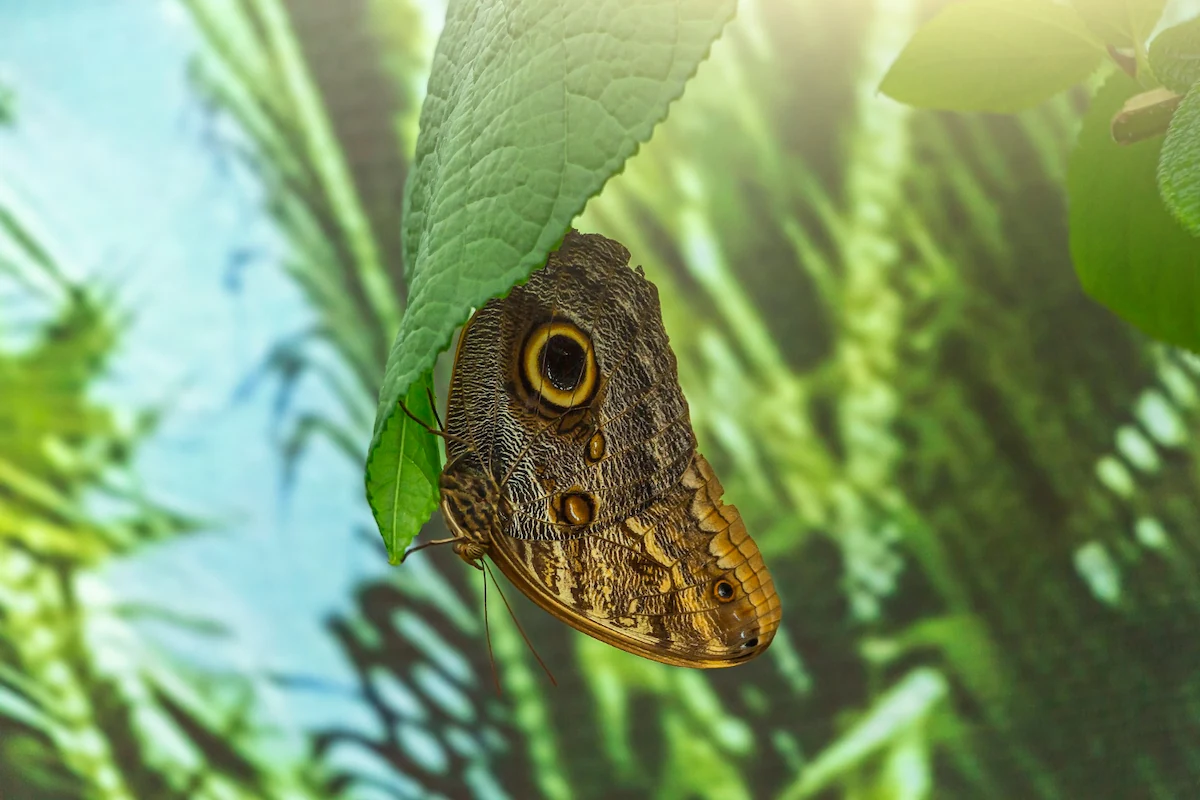
What if the solutions to various technological challenges already exist in nature? Over millions of years, nature has developed various efficient ways to overcome these challenges. This approach has inspired the emergence of biomimicry.
The biomimicry approach shows that many solutions to modern challenges can actually be learned from nature. To better understand the concept, benefits, principles, and examples of its everyday applications, read the following discussion.
What Is Biomimicry?
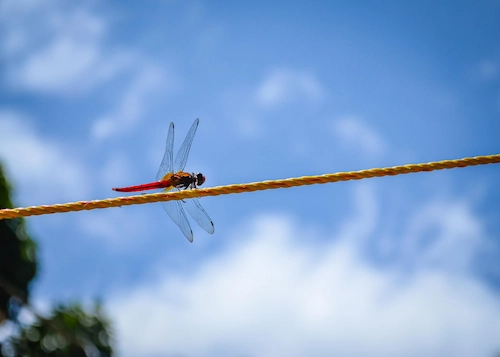
Biomimicry is an innovative approach that studies how nature works to develop solutions to humanity’s challenges. Etymologically, biomimicry comes from the word “bio,” meaning “life,” and “mimicry,” meaning “to imitate.” In other words, biomimicry is an approach that studies and imitates the strategies developed by nature to address various human challenges.
In the concept of biomimicry, nature serves not only as a source of visual inspiration but is also studied for its processes, systems, and strategies that have proven effective through millions of years of evolution.
The biomimicry approach is applied in various fields, including architecture, engineering, product design, transportation, and materials technology. The goal is to create more efficient innovations, conserve resources, and align with sustainability principles. This is why biomimicry is often considered one of the approaches that support the development of eco-friendly technologies.
Although inspired by nature, not all designs or innovations that mimic the forms of plants, animals, or specific organisms can be called biomimicry.
An innovation can be categorized as biomimicry if it not only replicates natural forms but also understands and applies the biological functions, mechanisms, or strategies that enable those organisms to survive and thrive in their environments. In other words, biomimicry focuses on how nature solves problems, not merely on imitating its appearance.
Key Elements of Biomimicry

Biomimicry focuses not only on imitating nature but also on understanding how nature works and the relationship between humans and the environment. To properly apply this approach, three key elements form the foundation of every biomimicry practice:
Emulate (Imitate)
Emulation is the process of studying forms, mechanisms, or systems found in nature and then applying them to create more effective and sustainable solutions. This approach is based on scientific research, so the resulting innovations do not merely imitate natural forms but also understand the functions behind them.
Ethos (Philosophy)
Ethos is the ethical foundation of biomimicry, which teaches the importance of respecting and understanding how life in nature functions. Through this principle, every innovation is designed not only to benefit humans but also to support environmental conservation and the sustainability of all living things.
(Re)Connect
(Re)Connect is a principle that reminds us that humans are part of nature, not separate from it. Based on this element, biomimicry encourages us to get closer to nature, observe how various organisms survive, and understand the relationships between life systems as a source of inspiration for creating more sustainable solutions.
Read also: What Are Biopores? Green Solutions for Water & Waste Management
Examples of Nature-Inspired Technology
Biomimicry has given rise to various innovations now used in everyday life. Here are some examples of biomimicry applications across different fields.
Japan’s Bullet Train and the Kingfisher’s Beak

One of the most famous examples of biomimicry is Japan’s Shinkansen bullet train. The design of the train’s front end was inspired by the kingfisher’s beak, which can dive into water with very little resistance.
By mimicking the shape of the bird’s beak, engineers succeeded in reducing the sound waves that typically occur and cause noise when the train emerges from a tunnel. As a result, the train is quieter, more energy-efficient, and can travel at high speeds.
Living Buildings
The concept of a “living building” draws inspiration from how organisms in nature adapt to their environments. One application of this concept is a ventilation system that mimics the structure of a termite mound, which features numerous interconnected air channels to maintain a stable temperature inside the mound.
This principle was applied to the Eastgate Center building in Harare, Zimbabwe. With this natural ventilation system, the temperature inside the building remains comfortable while requiring far less air conditioning, resulting in more efficient energy consumption and a reduced environmental impact.
Fabric Adhesive Tape
Another example of biomimicry is fabric adhesive tape inspired by burdock seeds, also known as gobo. The seeds of this plant have tiny hooks that can cling firmly to animal fur or fabric fibers.
After observing this mechanism, researchers developed a fabric-based adhesive system with two different surfaces that can lock together and be released repeatedly. Today, this innovative fabric adhesive tape is widely used in clothing, shoes, bags, sports equipment, and even medical devices.
Smart Windows and Squid Skin
The development of smart windows inspired by squid skin is another example of biomimicry. Squids have specialized cells in their skin that allow them to change color and control light reflection as a form of camouflage.
By mimicking this mechanism, researchers have developed dynamic window panels that can regulate the amount of light and heat entering a room.
This technology helps maintain a comfortable room temperature while reducing reliance on air conditioning, making it more energy-efficient and environmentally friendly.
Wind Turbines and Humpback Whale Fins
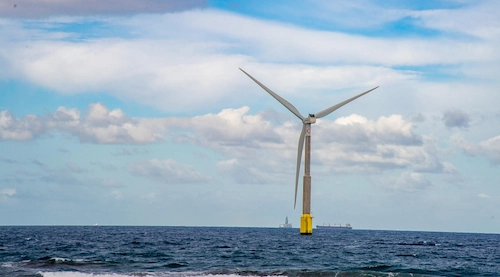
Another example of biomimicry is the design of wind turbines inspired by humpback whale fins. Humpback whales have small protrusions (tubercles) along the leading edge of their fins that help reduce water resistance, increase lift, and keep them agile while swimming.
This principle was then applied to wind turbine blades to improve aerodynamic efficiency. As a result, the turbines can generate electricity more efficiently, operate at lower noise levels, and remain effective even when wind speeds are not particularly high.
Those are the basics of biomimicry, from its definition and key elements to examples of its application in various fields. From this concept, we can learn that nature is not merely a resource to be exploited but also a teacher that shows us how to create more efficient, innovative, and sustainable solutions.
If you want to help create a more sustainable future, start by taking concrete action with Indonesia Asri. At Indonesia Asri, there are many programs you can join to protect the environment while becoming part of a positive movement to build a greener Indonesia, including the Warga Asri program.
By becoming a Warga Asri, you will gain broader access to various programs, exclusive information about environmental activities, opportunities to build connections with the community, and the chance to earn membership points that can be redeemed for merchandise.
Register now and start taking small steps to create bigger change for the environment with Indonesia Asri!
Read also: Understand Carbon Offset and How It Benefits the Environment