

After brewing a cup of coffee, most people simply throw away the used coffee grounds, assuming they are no longer useful.
In fact, coffee grounds still hold potential for use in supporting organic waste management and environmental preservation.
If processed properly, these coffee grounds can even become a valuable resource for the soil, plants, and the surrounding ecosystem. So, what exactly are the benefits of coffee grounds for the environment? Let’s take a look at the discussion below!
Composition of Coffee Grounds
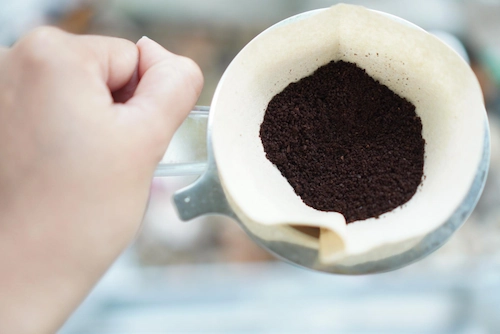
After brewing, some of the coffee’s components dissolve into the beverage, but a few organic compounds remain in the grounds.
Generally, coffee grounds contain nutrients such as nitrogen, phosphorus, and potassium, which play a vital role in supporting various biological processes in the soil.
Nitrogen, for example, promotes microbial growth, while phosphorus and potassium enhance soil fertility and nutrient balance.
Additionally, coffee grounds are rich in organic matter, which can accelerate decomposition when turned into compost for plants and improve soil quality.
Benefits of Coffee Grounds
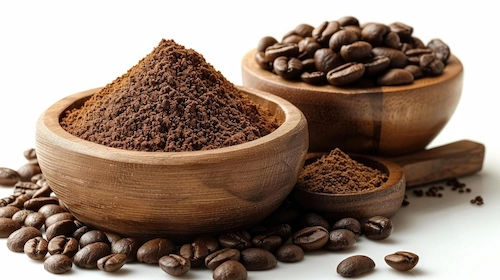
Despite their humble appearance, coffee grounds offer a variety of benefits that can be maximized, particularly in supporting organic waste management and preserving the environment. Still not sure what the benefits of coffee grounds are? Well, here are a few benefits you should know about.
Coffee Grounds as Organic Fertilizer
Using coffee grounds as compost or organic fertilizer can increase the soil’s organic matter content. This content plays a key role in maintaining a loose soil structure, which improves air circulation and allows the roots of the houseplants in your home to grow optimally.
Additionally, the organic matter in coffee grounds helps the soil retain moisture. The benefits of using coffee grounds for houseplants include maintaining stable soil conditions and supporting plant growth.
Read also: Here Are Examples of Solid Waste & Its Impacts, Beware!
Coffee Grounds as an Animal Feed Additive
In addition to being used for compost and organic fertilizer, coffee grounds can also potentially be used as an additive in animal feed. Several studies indicate that coffee grounds still contain fiber and organic compounds that can serve as supplementary ingredients in certain feed formulations.
However, they cannot be used directly or in excessive amounts. Coffee grounds must first be processed and mixed with other feed ingredients to meet livestock’s nutritional needs.
Coffee Grounds as a Natural Pest Repellent
As an easily accessible organic material, coffee grounds are also frequently used to help reduce pest infestations on plants.
The benefits of coffee grounds for plants are evident in their role in creating an environment that is unappealing to certain types of pests. Their distinctive aroma and slightly coarse texture make some pests, such as snails, ants, and certain insects, reluctant to approach the soil or growing medium around the plants.
The best part is, they are quite easy to use! You can sprinkle dried coffee grounds around the base of the plant or mix them into the growing medium.
However, it is important to remember that coffee grounds are not a primary insecticide. They are best used as a supplementary method in natural pest control, not as a standalone solution.
Coffee Grounds Can Attract Earthworms
Not only do coffee grounds act as a natural pest repellent, but they can also help create soil conditions that are more conducive to earthworm activity.
When mixed into compost or potting mix, coffee grounds increase the organic matter content, which serves as a food source for soil microorganisms.
As microbial activity increases, the soil environment becomes richer in nutrients, which indirectly attracts earthworms to thrive in that area.
Earthworms play a vital role in improving soil structure through their burrowing and decomposition of organic matter. Their presence helps loosen the soil and accelerates the humus formation.
However, the amount of coffee grounds used must still be carefully monitored. If applied excessively, their caffeine content and acidity can disrupt the balance of soil microorganisms and make soil conditions less than ideal for earthworms.
Read also: How to Make Natural Compost From Kitchen Waste: Let’s Try!
Coffee Grounds for Renewable Energy
Coffee grounds also have potential for biomass-based renewable energy development. The organic matter remaining in coffee grounds can be processed into alternative energy sources, such as bio-briquettes or bioethanol.
Although their utilization is still largely in the research and industrial development stages, the potential of coffee grounds as a renewable energy source demonstrates that organic waste can be processed into more sustainable alternative energy sources.
That concludes the information on the environmental benefits of coffee grounds you should know about. Processing coffee grounds to make them more useful may seem like a small step. However, simple habits like this can be part of a consistent daily effort to protect the environment.
If you have experiences, habits, or inspiring stories related to environmental action, Indonesia Asri invites you to share them through Jejak Asri.
The Jejak Asri campaign aims to encourage more people to share the simple actions they have taken to protect the environment, inspiring others to do the same.
You can still submit articles until October 16, 2026. Total prizes worth millions of rupiah (terms and conditions apply).
Register now, share your story, and be part of a movement that inspires more people to protect the environment!
Read also: Organic and Inorganic Waste: 6 Differences You Can’t Miss!