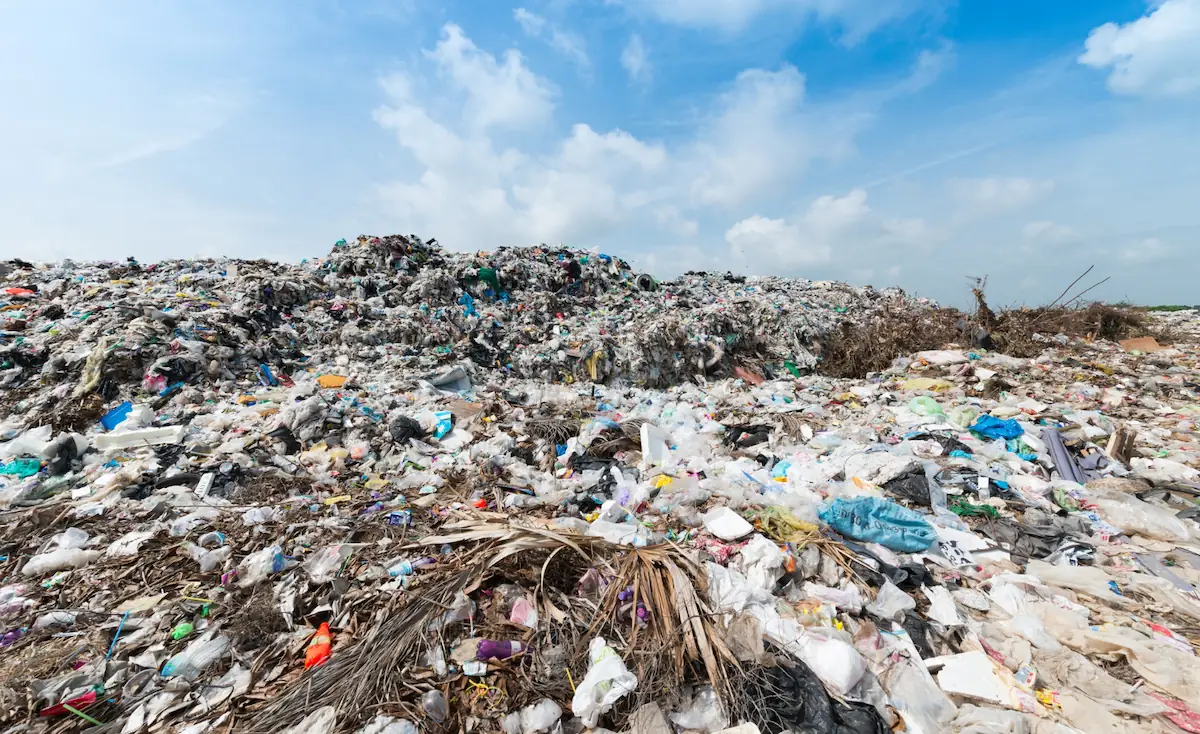
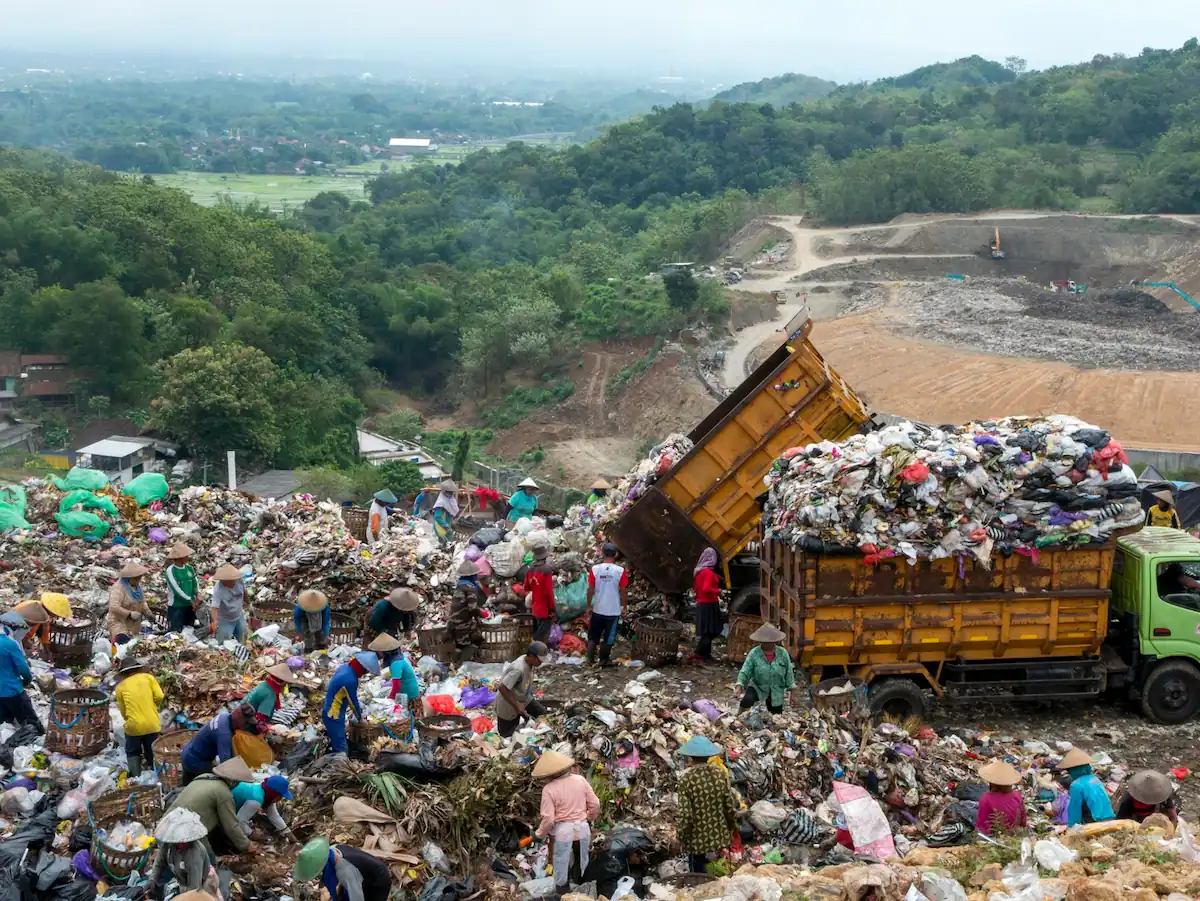
Every day, thousands of metric tons of waste from various regions must be properly managed to prevent it from piling up and harming the environment. This is where large-capacity final waste disposal sites (TPAs) are essential for ensuring optimal waste management.
In Indonesia, several landfills are known for their large capacity and size, and they can accept and manage up to thousands of tons of waste every day.
Curious about the locations of the largest landfills in Indonesia? Let’s check out the complete list in the following article!
List of the Largest Landfills in Indonesia
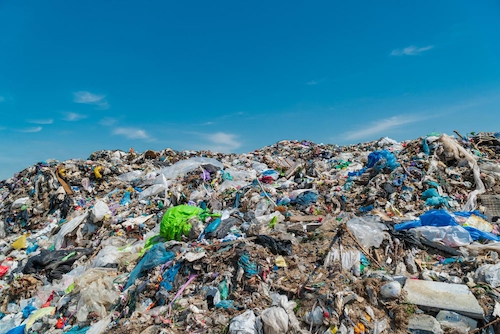
Based on data from the National Waste Management Information System (Sistem Informasi Pengelolaan Sampah Nasional/SIPSN), the recorded waste generated from 512 regencies/cities in 2025 reached around 144,349 tons per day.
The large amount of waste makes large-capacity Final Disposal Sites (Tempat Pemrosesan Akhir/TPA) an important part of the waste management system.
After all, TPAs serve as the final destination for waste that has been collected and transported before being managed further according to the methods used at each facility.
So, which landfills have large areas and processing capacities in Indonesia? The following list covers some of the largest landfills and Integrated Waste Processing Sites (Tempat Pengolahan Sampah Terpadu/TPSTs) in Indonesia. Both landfills and TPSTs play important roles in the waste management system, even though they have different functions and processing methods.
For context, the list below is not arranged by area size, capacity, or daily waste volume. Here’s a list of the largest waste landfills in Indonesia, compiled from references to several large-scale waste processing facilities.
TPST Bantargebang
When talking about the largest landfill in Indonesia, TPST Bantargebang is almost always the first name mentioned. Located in Bekasi City, this facility covers about 110.3 hectares and receives an average of 6,500–7,000 tons of waste per day from Jakarta.
TPST Bantargebang has operated since 1989, making it one of the largest waste management facilities with the longest operational period in Indonesia.
TPA Benowo
TPA Benowo is located in Romokalisari Village, Benowo District, Surabaya, East Java. This landfill has an effective land area of about 37.4 hectares and receives around 1,537 tons of waste per day, according to Surabaya City Government data for 2025.
Since 2021, waste management at TPA Benowo has not just focused on dumping. This waste processing facility is also equipped with gasification facilities that can process around 1,000 tons of waste per day to generate 12 MW of electricity, while the rest uses landfill gas to produce 2 MW of electricity.
TPA Jatibarang
TPA Jatibarang is one of Central Java’s largest waste management facilities. Located in Mijen District, Semarang City, this landfill spans about 46.18 hectares and has a capacity of around 4.15 million cubic meters of waste.
TPA Jatibarang’s operations are also large in scale. In 2022, this waste processing facility handled about 315,725 tons of waste, averaging over 860 tons per day.
The good news is that TPA Jatibarang is also projected to become a Waste-to-Energy (WtE) site. The government is preparing a project with a processing capacity of around 1,000 tons of waste per day, which will be converted into electricity with a capacity of about 19.3 MW.
Read also: Waste Management System: Types, Stages, and Methods
TPST Piyungan
Next is TPST Piyungan, which has long served as the final processing facility for waste from Yogyakarta City, Sleman Regency, and Bantul Regency. However, with the implementation of decentralization policies in waste management, TPST Piyungan has been discontinued as the regional final processing facility for these three areas.
Even so, the Piyungan Regional Landfill area still carries out environmental and public health management and monitoring in 2026. The Yogyakarta DIY Environmental and Forestry Agency (Dinas Lingkungan Hidup dan Kehutanan/DLHK) reported a transition zone that remains an active landfill area, a passive landfill zone, and a Leachate Treatment Facility (IPL).
Notably, data from the DIY Waste Management Center show that in 2023, waste from the Bantul area transported to TPST Piyungan reached around 122.15 tons per day through both government and private channels.
TPA Sarimukti
TPA Sarimukti is also worth mentioning when discussing large-scale landfills in Indonesia because this facility serves as the final processing site for waste from the Greater Bandung area. Its role is quite important as it handles waste from four regions at once.
Sarimukti’s significant role is reflected in the volume of waste that arrives every day. In January 2026, waste deliveries from Bandung City alone averaged around 979 tons per day, or 170 truck trips.
This high volume has kept TPA Sarimukti’s capacity in the spotlight. In 2025, the West Java Provincial Government said Zone 3 had only about 50,000 tons of remaining capacity, while incoming waste reached around 1,200 tons per day.
Why Can the Landfill Be Full and What Are the Impacts?
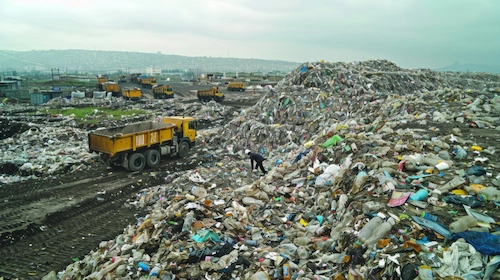
You may be wondering how a landfill became full of capacity. Here are several reasons why a landfill can exceed its capacity:
- The landfill’s limited ability to manage waste.
- Increasing population growth, consumption, and waste.
- People not being used to sorting and processing waste.
- Lack of waste management infrastructure from the source.
- Insufficient distribution of waste processing and recycling facilities.
- Ineffective waste management.
Then, when the volume of incoming trash keeps increasing and surpasses the landfill’s capacity, this situation can lead to various impacts, such as:
- Trash piling up more and more.
- Declining quality of the environment and air.
- Higher risk of soil and water pollution.
- Shorter lifespan for the landfill.
- Greater need for new management facilities.
- Increased risk of trash fires and landslides.
Ways to Manage Trash Without Ending Up in a Landfill
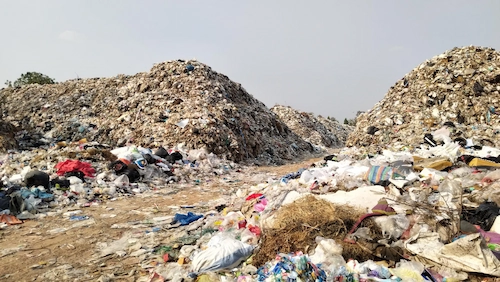
Not all trash has to end up in the landfill right away. With proper sorting and processing, some waste can be reused based on its type and characteristics. This also helps optimize waste management while supporting the use of materials in a circular economy concept.
So, what steps can you take to make sure your trash does not go straight to the landfill? Here are some waste processing methods you can try:
Sorting Trash for Recycling
The first step is to sort your trash by type and characteristics. At this stage, you can separate items that still have value before processing them into new materials or products.
Besides building the habit of sorting trash at home, you can also contribute through the Operasi Semut activities run by Indonesia Asri. This activity is a sustainable, environmentally focused movement that invites you to learn more about the importance of #pilahsampah before throwing it away.
Worth reading: Types of Waste Disposal Sites & What Makes Them Different
Turning Trash Into Fuel
Some types of waste, like plastic, can actually be processed into pyrolysis oil. Pyrolysis heats material at high temperatures in an oxygen-free environment, producing products like oil, gas, and charcoal.
Using waste as an energy source is one way to apply the waste-to-energy (WtE) concept. Through this concept, waste that still has potential or value can be processed into energy or useful products, so it does not all have to end up in landfills.
One effort to turn plastic waste into Renewable Fuel Oil (RFO) comes through innovations developed by the Chandra Asri Group.
Through IPST ASARI, Chandra Asri Group has developed the “PLUSRI” innovation, an initiative that uses pyrolysis technology to turn plastic waste into pyrolysis oil.
This innovation not only supports sustainable waste management but also produces pyrolysis oil that can meet the needs of MSMEs in its operating areas.
Since 2023, PLUSRI has been used as a fuel blend for the PT SCG Barito Logistics (SBL) fleet, a subsidiary of Chandra Asri Group.
To date, tens of thousands of kilograms of plastic waste have been processed into tens of thousands of liters of pyrolysis oil. This initiative also helps strengthen the green economy in Cilegon City and encourages the adoption of circular economy principles within the community.
Start Caring for the Environment with Jejak Asri
That concludes the information on Indonesia’s largest landfill, from its capacity to various ways to process waste and reduce what ends up there.
Understanding waste management at landfills can remind us that protecting the environment requires good habits and participation from everyone.
However, caring for the environment doesn’t stop at waste management. You can also adopt a sustainable lifestyle in various aspects of life, including choosing vehicles that use more eco-friendly fuel to support more sustainable mobility.
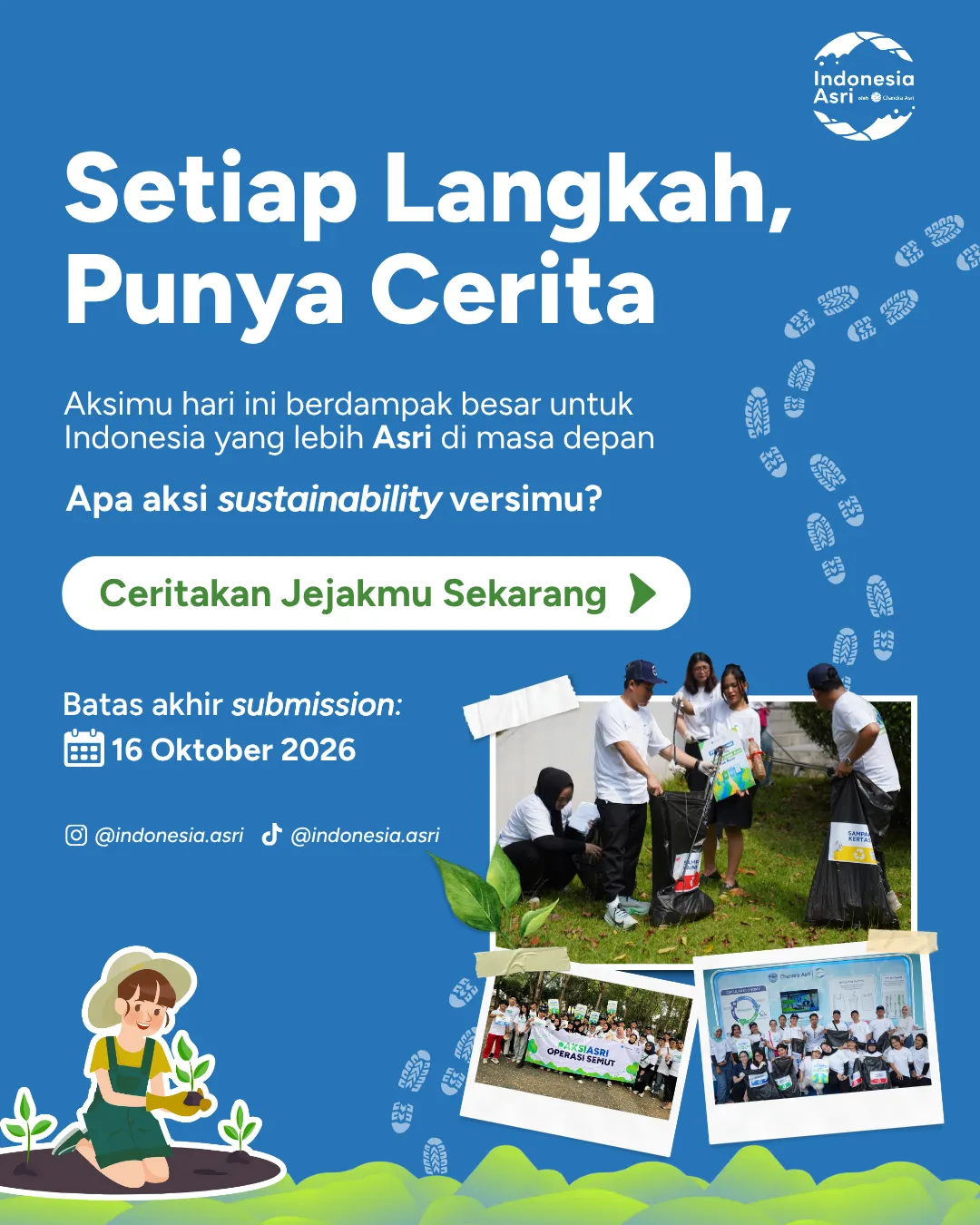
You can also encourage others to care about the environment by sharing stories and experiences through the Jejak Asri campaign organized by Indonesia Asri.
Through Jejak Asri, you can share stories of at least 700 words to inspire others to help create a greener Indonesia. A panel will judge the submitted stories, and visitors to the Indonesia Asri website will vote.
Prizes worth millions of rupiah await you if your story is selected. If you win, your article will also be published on the Indonesia Asri website (terms and conditions apply).
So, don’t miss this opportunity! Submit your story before October 16, 2026, and be part of the collective effort to create a greener environment with Indonesia Asri.
Discover more: Open Dumping: Definitions, Characteristics, and Impacts for the Environment