Clean water is an essential part of daily life, from cooking and bathing to doing laundry. However, water quality varies from one area to another and may require treatment before it can be used safely.
In such cases, water purification is necessary to remove the contaminants. To learn more about the benefits, methods, and stages of water purification, read the full discussion in this article.
What Is the Water Purification Process?
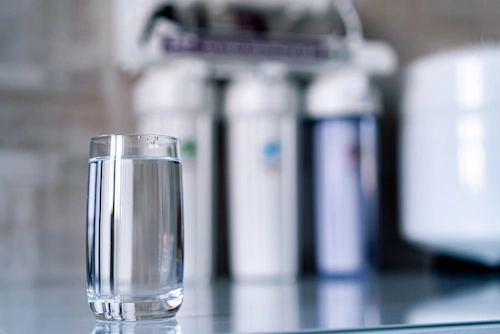
The water purification process is a series of methods used to reduce or remove various substances that can degrade water quality, such as impurities, suspended particles, microorganisms, and other contaminants.
Through this process, water that was originally cloudy or of poor quality can be purified to meet the requirements for various applications.
It is also important to note that water purification is not merely about making water look clear. This process also helps improve water quality by reducing contaminants that could affect health or comfort in daily life.
Why Is Water Purification Important?
Water is one of the basic necessities that is inseparable from our lives. From drinking, cooking, and bathing to washing, almost all activities require good-quality water.
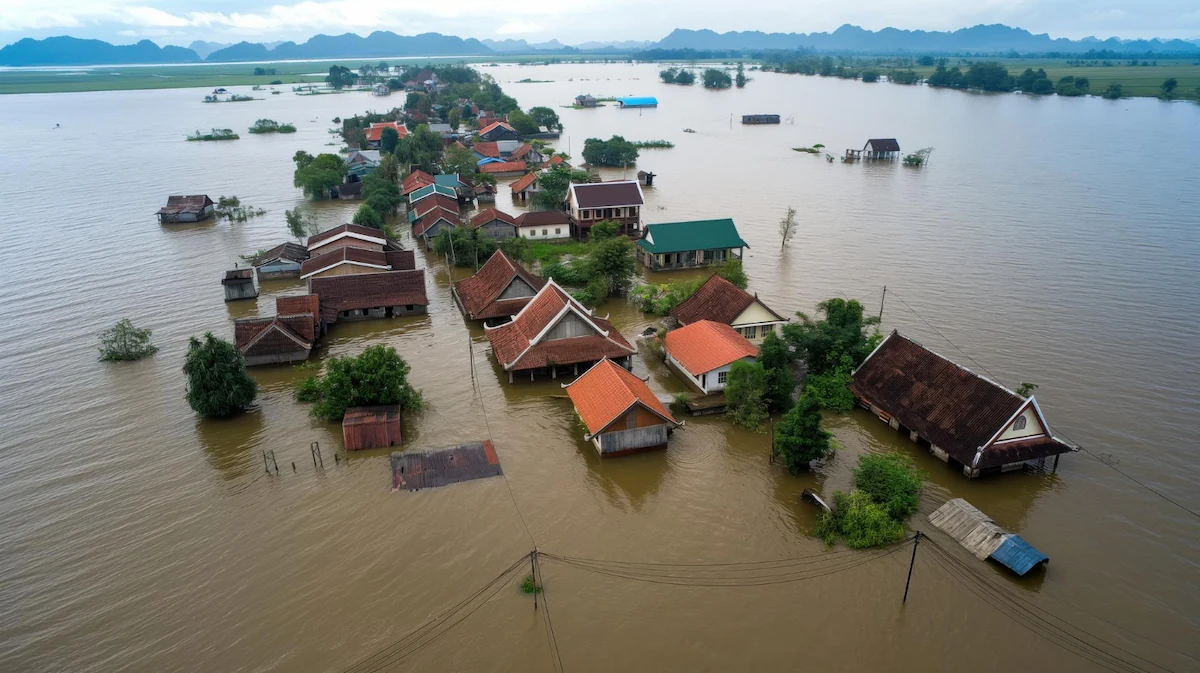
However, not all naturally occurring water sources are immediately usable. Even if it appears clear, water may contain fine silt, bacteria, viruses, heavy metals, or other contaminants invisible to the naked eye.
This situation can be even worse due to various human activities that cause water pollution, such as the disposal of household waste, industrial waste, and improperly managed trash.
This is why the water purification process is so important. Through this process, water quality can be maintained because various contaminants that degrade it are reduced or removed. As a result, the water becomes cleaner and safer for daily use.
Read also: Figure Out How to Save Water With These 7 Easy Tips!
Stages of the Water Purification Process
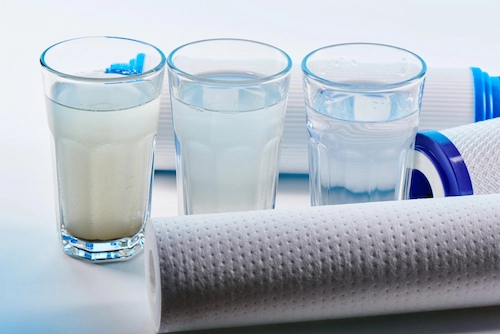
Water generally must go through several purification stages before it is safe for daily use. Although the methods may vary, the water purification process generally consists of the following main stages:
1. Coagulation
The first stage in water purification is coagulation, the process of adding certain chemicals, such as aluminum- or iron-based compounds, to the water to bind small particles that do not settle naturally.
Through this water purification technique, all impurities originally dispersed in the water will begin to clump together into larger particles, making them easier to separate in the next stage.
2. Flocculation
Once the coagulation process is complete, the water enters the flocculation stage. At this stage, the water is gently agitated so that the bound particles can combine and form larger clumps, called flocs. The larger the flocs that form, the easier it is to separate the particles from the water.
3. Sedimentation
Next, the water enters the sedimentation stage. During this stage, the formed flocs slowly settle to the bottom because they are denser than water.
Over time, these clumps accumulate at the bottom, while the clearer water remains on top.
Through this process, most impurities and suspended particles are removed from the water, improving water quality before it enters the next stage of purification.
4. Filtration
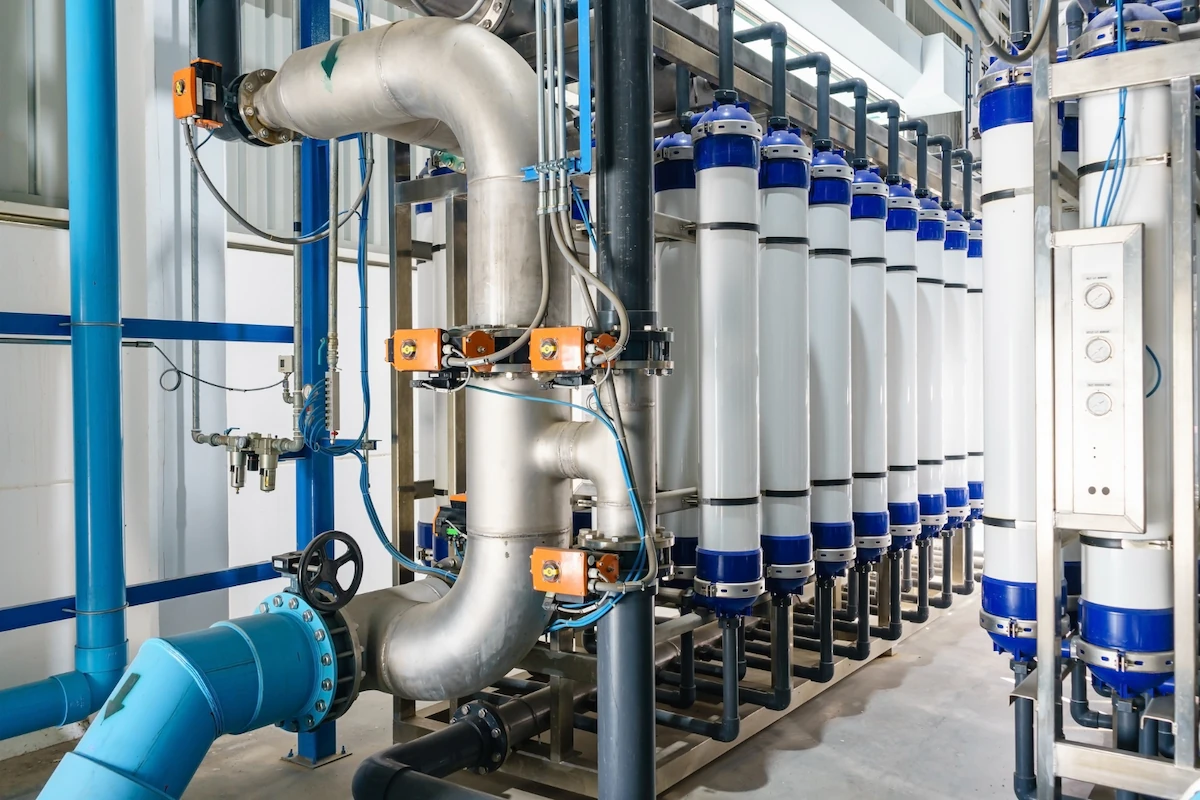
After the impurities settle, the water is then passed through various filter media during the filtration stage. These filters may consist of sand, gravel, activated carbon, or other materials designed to capture any remaining particles.
This process not only helps remove small impurities but also reduces microorganisms, unpleasant odors, and other contaminants still present in the water.
5. Disinfection
In some water treatment systems, the purification process is followed by a disinfection stage. Disinfection is the process of killing or inactivating harmful microorganisms that may still be present in the water after filtration. This process is typically carried out using chlorine, ozone, or ultraviolet (UV) light.
Read also: Knowing Rainwater Harvesting As A Solution for Clean Water!
Benefits of Water Purification
Water purification not only makes water look clearer but also offers benefits in many aspects of daily life. Here are a few of them:
- It helps improve water quality by reducing impurities, suspended particles, and various contaminants present in the water.
- It reduces the risk of health problems because the purification process lowers the levels of microorganisms and contaminants that could harm the body.
- It removes unwanted odors and colors, making the water safer for various daily uses.
- It ensures access to clean water for the community, especially in areas with inadequate water sources.
These are the things you need to know about water purification, why this process is important, and the various benefits of cleaner, higher-quality water. Remember, good water quality comes from a clean environment.
Preserving the environment is our shared responsibility. You can do this by joining Indonesia Asri and participating in a range of exciting and impactful #AksiAsri programs.
Be part of the change toward a better environment together with Indonesia Asri. Join the various #AksiAsri programs and register now to help create a cleaner, greener, and more sustainable Indonesia for future generations!
Read also: Why Is It Important to Conserve Water in Daily Life?